Understanding the Basics of BBQ Sauces
Key Ingredients and Their Roles
BBQ sauce is a blend of ingredients designed to complement grilled foods. The primary components typically include a base (such as tomato, vinegar, or mustard), sweeteners to add depth, acids for brightness, and spices for complexity. Each plays a vital role in shaping the sauce’s final flavor and texture.
Popular Styles Across Different Regions
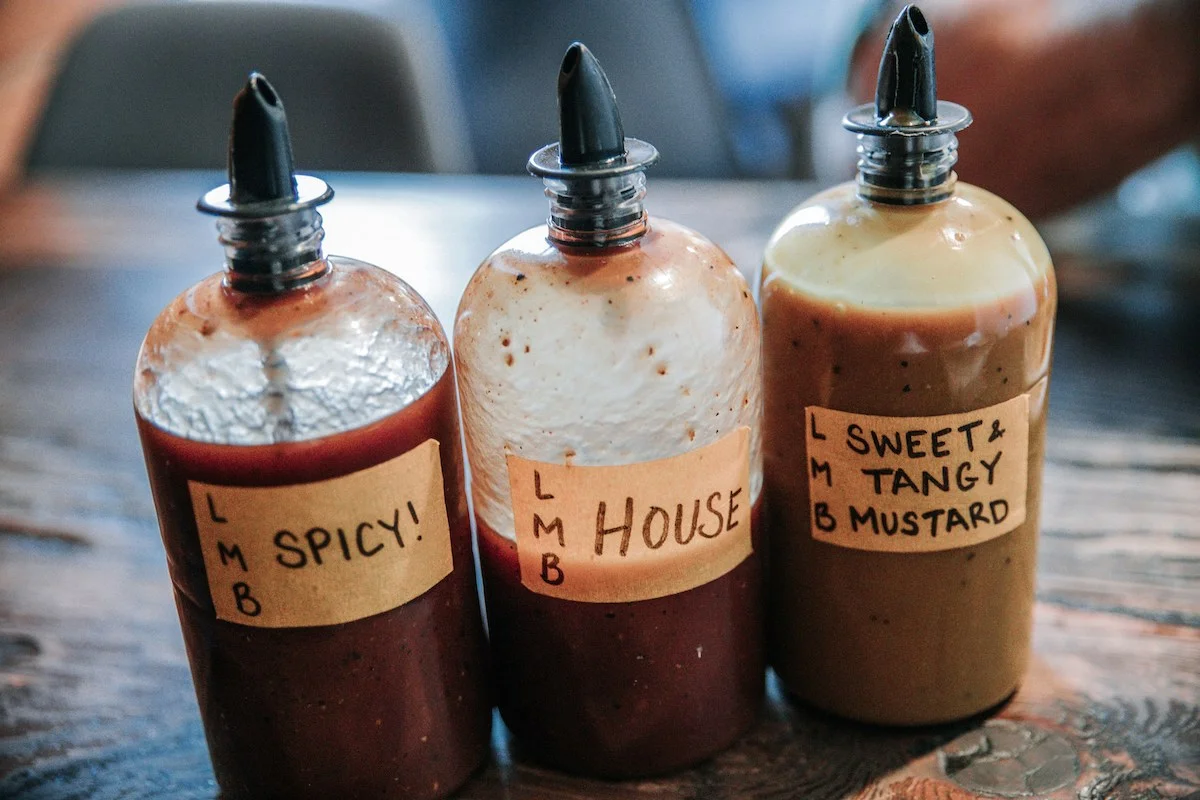
BBQ sauces vary significantly by region. Kansas City sauces are thick and sweet with molasses and tomato, while Carolina sauces lean toward tangy vinegar or mustard profiles. Texas sauces often emphasize smokiness with a tomato base and spices. Recognizing these styles helps in crafting blends that suit specific tastes.
How Flavor Profiles Influence Sauce Types
Flavor profiles categorize sauces into sweet, tangy, spicy, smoky, or a combination. Understanding these profiles allows you to tailor your BBQ sauce to enhance the taste of the meat or dish it accompanies. The balance between these elements can define whether a sauce shines as a glaze, marinade, or condiment.
Essential Tools and Ingredients for Custom Blends
Must-Have Kitchen Tools
Creating custom BBQ sauces requires basic kitchen tools to ensure precision and ease. A good set of measuring spoons, mixing bowls, and a whisk are essential. For recipes involving cooking, a heavy-bottomed saucepan allows even heat distribution to avoid burning sensitive sugars and spices.
Spices, Sweeteners, and Acids Explained
Spices like paprika, cumin, and black pepper add layers of flavor and heat. Sweeteners range from brown sugar and honey to molasses, contributing richness and caramel notes. Acids such as apple cider vinegar and lemon juice provide brightness that balances sweetness and cuts through fat, making the sauce more vibrant.
Choosing the Right Base: Tomato, Vinegar, or Mustard
The base shapes the sauce’s character. Tomato bases offer a familiar, thick, and slightly sweet foundation. Vinegar bases deliver tang and are lighter in texture. Mustard bases introduce sharpness with a bold, earthy flavor. Selecting one depends on your targeted style and the dish you want to enhance.
Step 1: Selecting Your Flavor Foundation
Sweet vs. Tangy: Finding Your Starting Point
Deciding between a sweet or tangy foundation is the first step in customizing your BBQ sauce. Sweet sauces often include tomato and sugar, ideal for those who prefer rich, mellow flavors. Tangy sauces highlight vinegar or mustard, appealing to those wanting a zesty kick. Consider the main ingredient and your guests’ preferences when choosing.
Balancing Heat with Spice
Heat can vary from mild warmth to fiery intensity. Incorporate spices like chili powder, cayenne, or smoked paprika carefully to enhance without overpowering. Start with small quantities and build flavor gradually. This balance ensures the sauce complements rather than dominates the meal.
Step 2: Mixing Ingredients Like a Pro
Measuring Techniques for Consistency
Accurate measuring is key to replicating successful BBQ sauce blends. Use standard measuring spoons and cups, and record quantities for future reference. Consistency allows you to perfect a recipe over time and adjust ingredients systematically if needed.
Layering Flavors Through Cooking Times
Cook sauces at moderate heat to meld flavors without burning. Adding ingredients at different stages can create depth—sweeteners early to caramelize, spices mid-way to release aromas, and acids near the end to preserve brightness. This layering technique elevates a simple mix into a complex blend.
Step 3: Tasting and Adjusting Your Blend
How to Identify Missing Elements
Tasting during preparation is vital. If the sauce feels flat, it might need more acidity or spice. Overly sharp sauces may require additional sweetener or fat to mellow. Pay attention to balance and harmony rather than individual ingredients. Small tweaks can greatly improve the final result.
Common Pitfalls and Quick Fixes
Common errors include adding too much heat or sweetness, resulting in overpowering flavors. Another is neglecting proper cooking, which can leave raw spice notes or an uneven texture. If the sauce is too thin, reduce it over low heat; if too thick, add small amounts of liquid base to adjust consistency.
Personalizing Sauces for Different Palates
Creating Sauces for Smoky, Sweet, and Spicy Lovers
Customize your BBQ blends to suit distinct preferences. Smoky lovers appreciate liquid smoke or smoked paprika additions. Sweet enthusiasts enjoy honey or molasses for richness, while spicy fans want layers of chili and pepper. Testing small batches tailored for each palate ensures everyone enjoys your BBQ creations.
Adapting Recipes for Dietary Preferences
Consider dietary needs when blending sauces. Use natural sweeteners like maple syrup for refined sugar-free diets. Gluten-free soy sauce or tamari can replace standard soy for gluten sensitivity. Vegan options avoid honey and use plant-based sweeteners. These adjustments make your sauces accessible without compromising flavor.
Storage and Serving Tips
Proper Preservation Techniques
Store homemade BBQ sauce in airtight containers in the refrigerator to maintain freshness. Typically, they last up to two weeks. For longer storage, freezing in small portions works well. Always label with date and ingredients, especially if you modify recipes frequently.
Creative Ways to Use Your Custom BBQ Sauce
Beyond grilling, BBQ sauce enhances many dishes. Use it as a dip for fries or vegetables, a glaze for roasted meats, or a topping on burgers and sandwiches. It also adds flavor depth to baked beans and casseroles. Experimenting with uses broadens the value of your homemade sauce.