Introduction to Hosting a Historical Food Tasting Event
Why Choose a Historical Theme?
Hosting a historical food tasting event offers a unique opportunity to bring history to life through flavor. The challenge of preparing and sharing recipes from the past provides a rich sensory experience that connects guests to a specific time and culture. Choosing a historical theme transforms an ordinary gathering into an educational and entertaining occasion, adding depth and intrigue that modern menus often lack.
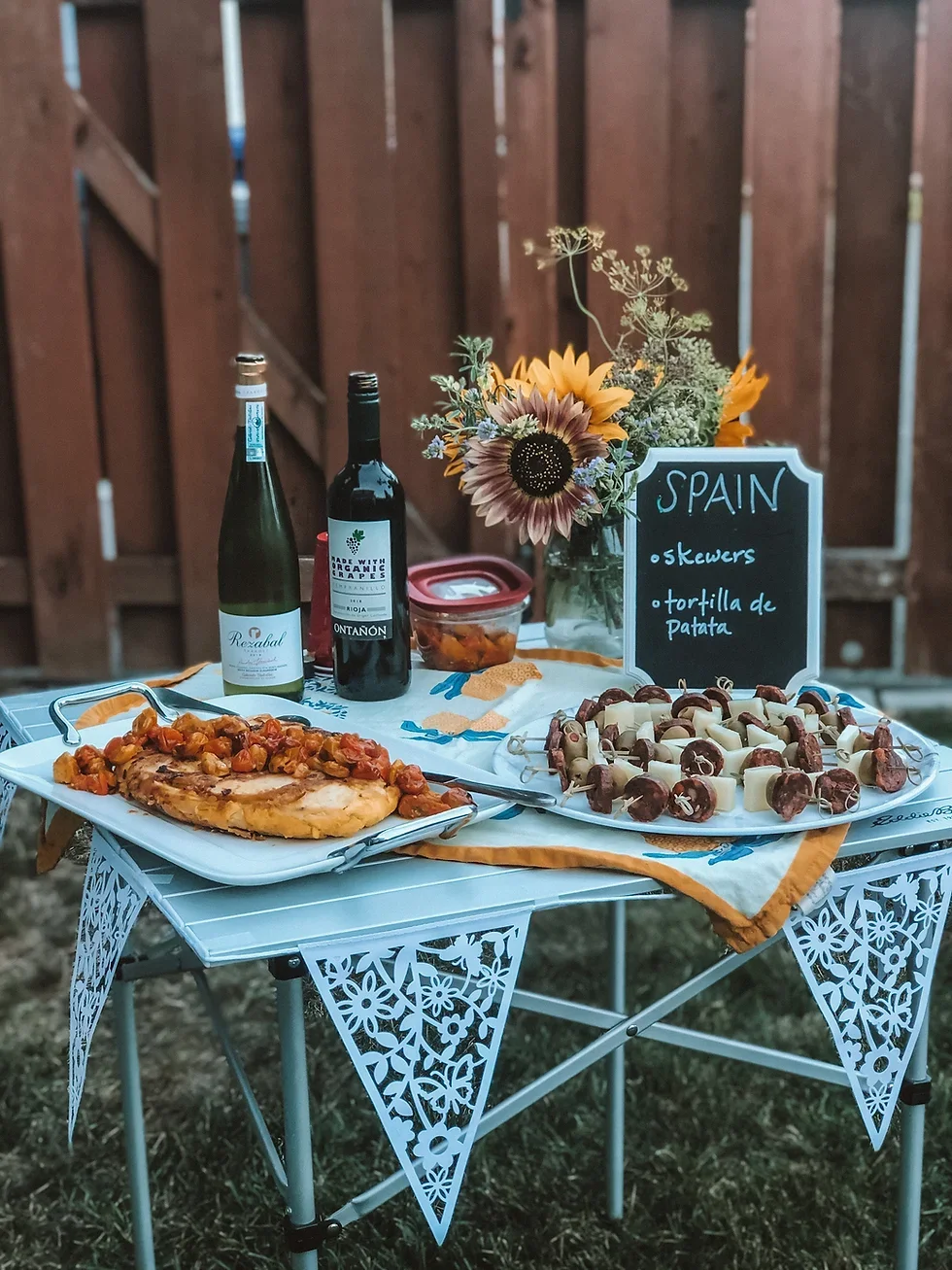
Many people underestimate the impact that food has on understanding history. Beyond mere sustenance, cuisine reflects societal values, trade influences, and technological advancements of an era. Selecting this theme is a way to explore these facets while engaging guests in a novel culinary adventure.
Benefits of Hosting at Home
Hosting this event in the comfort of your home brings both convenience and intimacy. Home environments allow greater control over the ambiance, timing, and pacing of the tasting. Unlike public venues, you can personalize every detail from décor to seating arrangements, which enhances the immersive experience of the historical theme.
Moreover, hosting at home reduces costs and offers flexibility in planning, enabling you to adjust the event according to your resources and guest preferences. It encourages meaningful interaction within a relaxed setting, fostering a sense of community as guests share and discuss the dishes served.
Planning Your Event
Selecting a Historical Era
One core challenge in planning is selecting the era to focus on. The choice must align with your interests, research capacity, and availability of ingredients. For example, Medieval European recipes might require different preparation methods compared to Victorian-era dishes or Ancient Roman fare. Each period offers distinct culinary characteristics that influence menu planning and overall presentation.
It’s important to consider the tastes and dietary restrictions of your potential guests as well. While some historical dishes might be exotic or unfamiliar, ensuring there are accessible options will keep everyone engaged and comfortable.
Creating a Guest List and Invitations
Defining your guest list early helps you tailor the event size and complexity. Intimate gatherings encourage detailed discussion and interaction, while larger groups might require streamlined service and simplified menus. Invitations should reflect the historical theme, which not only intrigues potential attendees but also sets expectations for the event’s ambiance and dress code.
Personalized invitations—perhaps echoing the design styles of your chosen era—can elevate anticipation and encourage guests to immerse themselves fully in the experience.
Setting a Budget
Budgeting is crucial to balance authenticity with practicality. Historical ingredients may be rare or expensive, and recreating period-appropriate décor can add costs. By setting a clear budget upfront, you can prioritize essential elements such as key dishes or impactful decorations while possibly simplifying other details to stay within limits.
Unexpected expenses often arise, so reserving a small contingency fund prevents last-minute compromises that could diminish the event’s quality.
Researching Historical Recipes
Sourcing Authentic Ingredients
Many historical recipes depend on ingredients that are no longer common or have evolved significantly. Identifying reliable sources for these ingredients is vital to maintaining authenticity. Specialty markets, online heritage food suppliers, and local farmers can sometimes provide these unique items.
However, some ingredients may be impractical or unavailable, requiring substitutions. The key is to choose alternatives that preserve the original dish’s essence without compromising on safety or taste.
Adapting Recipes for Modern Kitchens
Historical cooking techniques often involve equipment or methods unavailable today. For instance, open hearth cooking or stone grinding may need modern equivalents. Adapting recipes involves understanding the core principles behind the original preparation and finding suitable contemporary techniques that replicate the results.
Scaling recipes for the number of guests and considering dietary preferences also calls for adjustments. Being flexible while honoring the dish’s spirit prevents frustration during the cooking process and supports a smoother event execution.
Preparing the Venue
Decorations and Ambiance to Match the Era
The atmosphere plays a crucial role in immersing guests. Decorations should reflect the aesthetics of the chosen historical period without overwhelming the space. Using appropriate colors, fabrics, and props can transform an ordinary room into a convincing setting, sparking conversations even before the food is served.
Lighting is another factor that affects mood. Soft, warm lighting mimics historical settings better than harsh modern lights, creating a cozy and inviting environment.
Table Settings and Presentation Tips
Tableware selection enhances authenticity and complements the dishes. Research typical plates, glassware, and utensils used during the era to reproduce or approximate them at home. Even small details such as napkins or centerpieces contribute to the overall experience.
Consider the flow of service and seating arrangements as well. Historical dining often involved specific customs that can be adapted for your guests to foster engagement and appreciation of the theme.
Cooking and Food Presentation
Step-by-Step Preparation Guide
Preparing historical dishes requires planning and timing. Some components may need extended preparation or resting periods. Organizing tasks by stages—such as marinating, baking, and assembling—will prevent last-minute rushes that compromise quality.
Conducting a trial run of unfamiliar recipes before the event can identify potential pitfalls and help fine-tune techniques. This preparation ensures that on the day, each dish is ready to serve at its best.
Tips for Plating and Serving Historical Dishes
Presentation is where history meets artistry. Many historical meals were designed to impress visually as well as gastronomically. Serving food in courses, arranging garnishes traditionally, and explaining key ingredients’ significance can deepen guests’ engagement.
Consider serving dishes family-style or individually depending on the historical context; this small detail can significantly enhance authenticity and guest interaction.
Hosting the Event
Welcoming Guests and Introducing the Theme
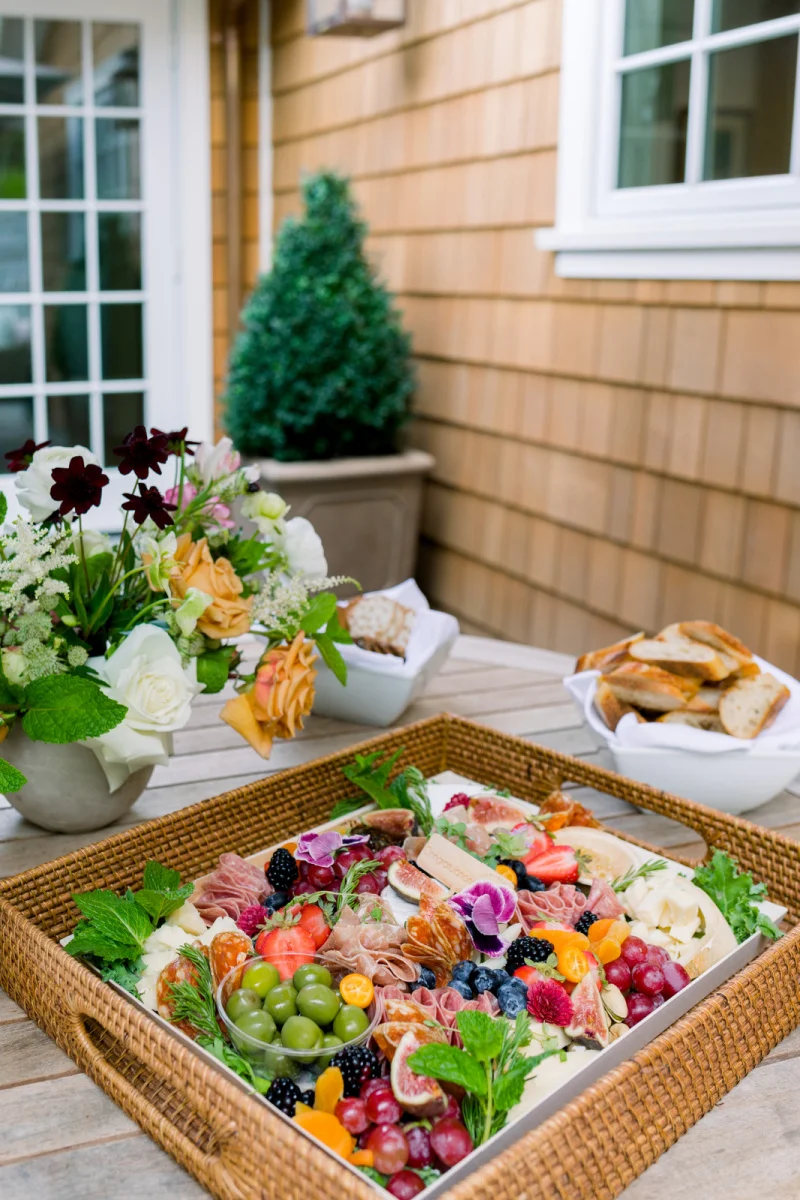
An effective introduction sets the tone. Welcoming guests with a brief story about the chosen era and its culinary customs primes their curiosity and appreciation. Sharing context enriches the tasting experience by transforming it from mere eating into an insight into history.
Providing name cards or short notes about each dish can also help guests connect flavors to cultural or historical narratives, making the event both enjoyable and educational.
Guided Tasting: What to Say and Share
As the host, guiding the tasting sharpens focus and encourages mindful appreciation of flavors and textures. Highlight interesting facts about the ingredients, the significance of certain recipes, or how they were historically prepared or consumed. This storytelling aspect helps maintain engagement and sparks lively conversations.
Encourage guests to share their impressions, which adds a personal and interactive dynamic to the event.
Encouraging Interaction and Discussion
A common stumbling block is guests feeling unsure about how much to speak or participate. Facilitating questions and gently prompting comparisons between different dishes or eras can open dialogue. Providing conversation starters related to the historical context or culinary techniques helps sustain interest.
Balancing informative commentary with relaxed socializing ensures the event remains enjoyable without becoming overly formal or didactic.
Post-Event Follow-Up
Gathering Feedback
Collecting guest feedback offers insights into what worked well and areas for improvement. Simple surveys or casual conversations can reveal which dishes were favorites and how effectively the historical theme came across. This feedback is valuable for refining future events and deepening your understanding of historical cuisine.
Sharing Recipes and Memories
Afterwards, sharing recipes and photos nurtures community and prolongs enthusiasm. Providing guests with curated recipe cards or digital files encourages them to experiment with historical cooking at home, reinforcing the event’s educational value.
Revisiting anecdotes or discoveries from the event also keeps the connections strong, making your historical food tasting gathering a memorable and inspiring occasion for all involved.