Introduction to Spirulina and Its Benefits
What is Spirulina Powder?
Imagine discovering a natural powder that ancient civilizations prized for vitality and strength. Spirulina is a blue-green algae harvested from freshwater sources and dried into a fine green powder. It may seem exotic, but it has been used for centuries, especially by the Aztecs and some African tribes, as a source of essential nutrients. Spirulina powder offers a concentrated form of this superfood, ready to be added to your daily routine with ease.
Key Nutritional Components for Energy Boost
What makes spirulina stand out is its impressive nutrient profile, which fuels the body in unique ways. It’s rich in protein, providing essential amino acids vital for muscle repair and sustained energy release. Additionally, it contains iron—a key mineral that combats fatigue by supporting healthy red blood cells. Vitamins like B-complex, especially B12, aid in energy metabolism, while antioxidants reduce oxidative stress, helping you feel refreshed rather than drained. When incorporated into smoothies, these qualities translate into a natural energy uplift, perfect for those sluggish afternoons or early mornings.
Choosing the Right Spirulina Powder
Organic vs Non-Organic Options
Choosing spirulina powder isn’t as simple as picking the cheapest jar off the shelf. Organic spirulina is cultivated without synthetic fertilizers or harmful pesticides, making it a cleaner choice. Although it may cost more, organic options often have higher purity levels, reducing the risk of contaminants such as heavy metals, which can accumulate in algae from polluted waters. Non-organic spirulina can still be beneficial but requires careful sourcing to ensure quality. For example, a health-conscious friend once switched to organic spirulina after experiencing mild nausea from a low-quality brand, finding her energy levels more balanced and her digestion smoother.
How to Recognize Quality Spirulina
Quality spirulina powder usually has a deep, vibrant green color, indicating freshness and nutrient density. Freshness matters because older powders can lose potency and develop off-flavors. Checking for certifications such as USDA Organic or third-party testing reports can add confidence. Some brands highlight batch testing to show absence of contaminants. If the powder smells overly fishy or has clumps, it may be past its prime. Selecting trusted brands based on reviews and ingredient transparency saves you from disappointment and ensures the energy benefits you seek.
Preparation: Getting Ready to Blend
Essential Ingredients for Energy-Boosting Smoothies
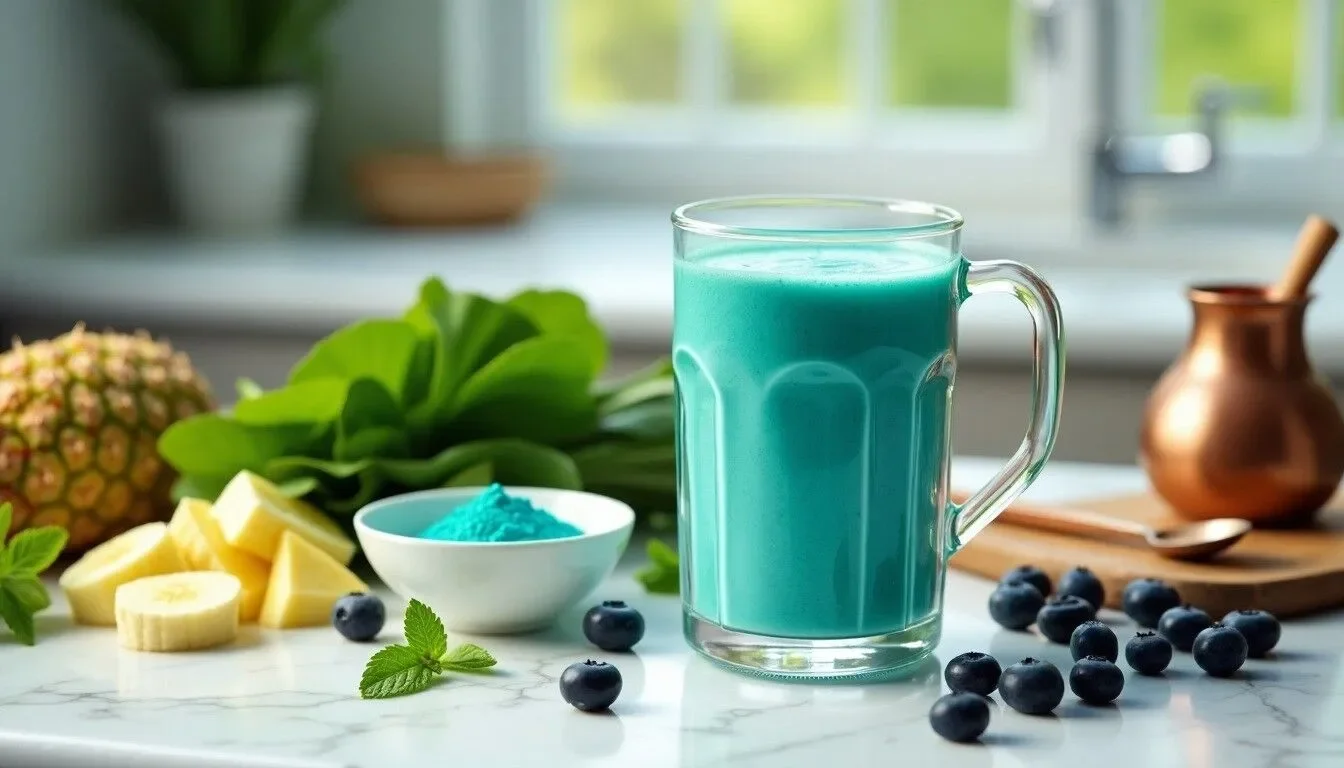
A spirulina smoothie is only as good as its supporting ingredients. Fresh fruits like bananas and mangoes provide natural sweetness and carbohydrates for quick energy. Leafy greens such as spinach or kale complement spirulina’s mineral content, while a base of coconut water or almond milk keeps the drink hydrating and light. Adding a spoonful of nut butter or chia seeds introduces healthy fats that stabilize energy release over time. This thoughtful combination creates a smoothie that balances immediate vitality with lasting stamina.
Recommended Kitchen Tools and Equipment
Having the right equipment can simplify your smoothie crafting. A high-speed blender is ideal for breaking down spirulina’s fine powder and fibrous ingredients into a smooth, drinkable texture. Essentials include a reliable measuring spoon to control your spirulina dosage and a sturdy container with a lid to store any leftovers. For those on the go, a portable blender bottle can turn your smoothie preparation into a quick ritual, perfect for early-morning energy boosts before commuting or workouts.
Step-by-Step Instructions to Make Spirulina Smoothies
Step 1: Measuring the Correct Spirulina Dosage
Start with caution—spirulina’s potent taste and effects mean moderation is key. Typically, one teaspoon (about 3 grams) is sufficient for most people to feel energized without overwhelming flavor. Beginners should begin with half a teaspoon to gauge tolerance. For example, a colleague once tried a full tablespoon on a whim and found the intensity off-putting, losing their appetite for days. Accurate measuring ensures you reap energy benefits without discomfort.
Step 2: Selecting Complementary Fruits and Vegetables
Next, consider the harmony of flavors. Bright fruits like pineapple and citrus can mask spirulina’s earthy undertones, while creamy bases such as frozen banana mellow the texture. Combining vegetables like cucumber or celery adds hydration without overpowering sweetness. Selecting ingredients based on your personal taste preferences is crucial for consistency—if the smoothie tastes good, you’re more likely to make it a habit.
Step 3: Blending Techniques for Best Texture
To achieve the ideal texture, start blending the liquid base first, then add greens and fruits, and finally sprinkle in the spirulina powder. This layering prevents clumping and helps disperse the powder evenly. Blend for 30 to 60 seconds at high speed, checking midway to ensure no gritty bits remain. If the mixture is too thick, adding a splash of water or coconut water enhances drinkability without diluting nutrients.
Step 4: Taste Adjustments and Enhancements
Despite best efforts, spirulina’s flavor can be challenging. Balancing this with natural sweeteners like honey or dates can improve palatability. A dash of lemon or ginger adds a zesty kick, which not only complements the taste but also promotes digestion. Experimenting with small tweaks will help you find a signature blend that powers your day without a fight.
Creative Spirulina Smoothie Recipes for Energy
Green Power Smoothie
Blend together one teaspoon of spirulina powder, a ripe banana, a handful of spinach, half a cup of almond milk, and a tablespoon of chia seeds. This combo offers a green-packed powerhouse with protein, iron, and omega-3 fatty acids to keep afternoon slumps at bay.
Tropical Energizer Blend
Combine spirulina with fresh pineapple chunks, mango pieces, coconut water, and a squeeze of lime. The tropical fruits provide natural sugars and vitamin C, working synergistically with spirulina to revive your energy levels while transporting your taste buds to a sunny beach.
Berry Spirulina Boost
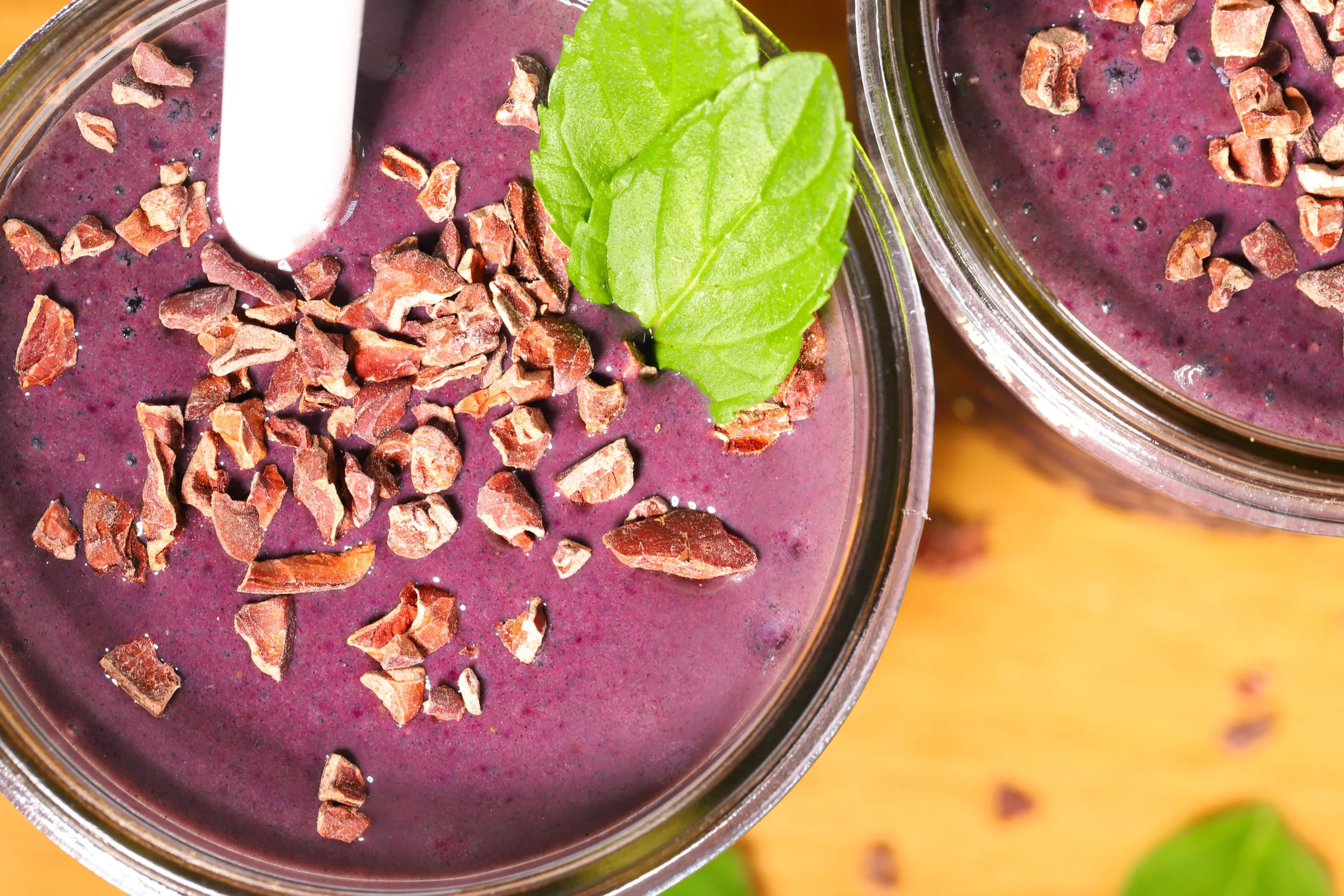
Mix spirulina powder with mixed berries, Greek yogurt, a drizzle of honey, and oat milk. This antioxidant-rich recipe supports energy and recovery, especially after physical activity, with creamy texture and a hint of sweetness masking the algae taste.
Tips for Maximizing the Energy Benefits of Spirulina
Optimal Times to Drink Your Spirulina Smoothie
Timing can be everything. Consuming spirulina smoothies in the morning jumpstarts your metabolism and mental alertness for the day ahead. Alternatively, having one mid-afternoon can combat the notorious energy slump many experience post-lunch. Keep in mind that taking spirulina late at night might interfere with sleep due to its energizing effects, so plan accordingly.
Combining with Other Superfoods
To amplify spirulina’s impact, consider pairing it with other superfoods like maca powder, matcha, or goji berries. These additions introduce complementary nutrients and flavors, creating a synergy that elevates energy, focus, and overall vitality. However, start slow when combining superfoods to monitor how your body reacts and avoid overstimulation.