Understanding Ceramic Kitchen Knives
What Makes Ceramic Knives Unique?
Ceramic kitchen knives stand out due to their blades made of zirconium dioxide, a material that’s extremely hard and lightweight. Unlike traditional steel blades, ceramic knives are chemically inert, meaning they don’t react with food acids or metals. This results in a knife that stays sharp longer without rusting or corroding. Their lightweight nature also offers less fatigue during prolonged use.
However, the hardness that gives ceramic knives their edge also makes them more brittle compared to steel knives. They can chip or break if dropped or used improperly. Understanding these unique properties is essential before incorporating them into your kitchen tools.
Advantages and Limitations
One major advantage of ceramic knives is their exceptional sharpness that lasts longer than many steel knives. They require little frequent sharpening, and their non-metallic blades don’t impart any metallic taste or odor to food. Additionally, their resistance to staining and corrosion makes them ideal for cutting acidic foods like lemons or tomatoes.
On the flip side, ceramic knives are less versatile. They are not suitable for tasks requiring twisting, prying, or cutting through bones, as the blade can chip or snap. Their brittleness requires more careful handling and specific maintenance methods compared to steel counterparts.
Daily Care Tips for Ceramic Knives
Proper Cleaning Techniques
Maintaining the sharpness and integrity of your ceramic knives starts with proper cleaning. Always hand wash them immediately after use with mild soap and warm water. Avoid using abrasive sponges or steel wool that can damage the blade surface. Rinse thoroughly and dry them with a soft cloth to prevent any water spots or potential weakening over time.
Dishwashers are a no-go for ceramic knives as the high heat and movement can cause chipping or dulling. Gentle, immediate care preserves the blade’s surface and extends its lifespan.
Safe Storage Practices
Storing ceramic knives properly is equally important. Because the blade is brittle, avoid tossing knives loosely in a drawer where they can knock against other utensils or hard surfaces. Using a knife block, magnetic strip, or dedicated sheath keeps the blade protected and prevents accidental damage or injury.
When storing for long periods, ensure the knife is clean and dry to avoid any buildup that could affect performance later. Taking these precautions helps maintain the sharpness and safety of your ceramic knives daily.
When and Why Sharpen Ceramic Knives?
Signs Your Knife Needs Sharpening
Even though ceramic knives hold their edge longer than steel, they will eventually require sharpening. Key signs include difficulty slicing through softer foods, an uneven or jagged cut, or visible dullness on the blade edge. Other indications are if you notice the knife slipping during cutting or needing more force than usual.
Paying attention to these cues ensures timely maintenance without waiting for major damage.
The Science Behind Ceramic Sharpening
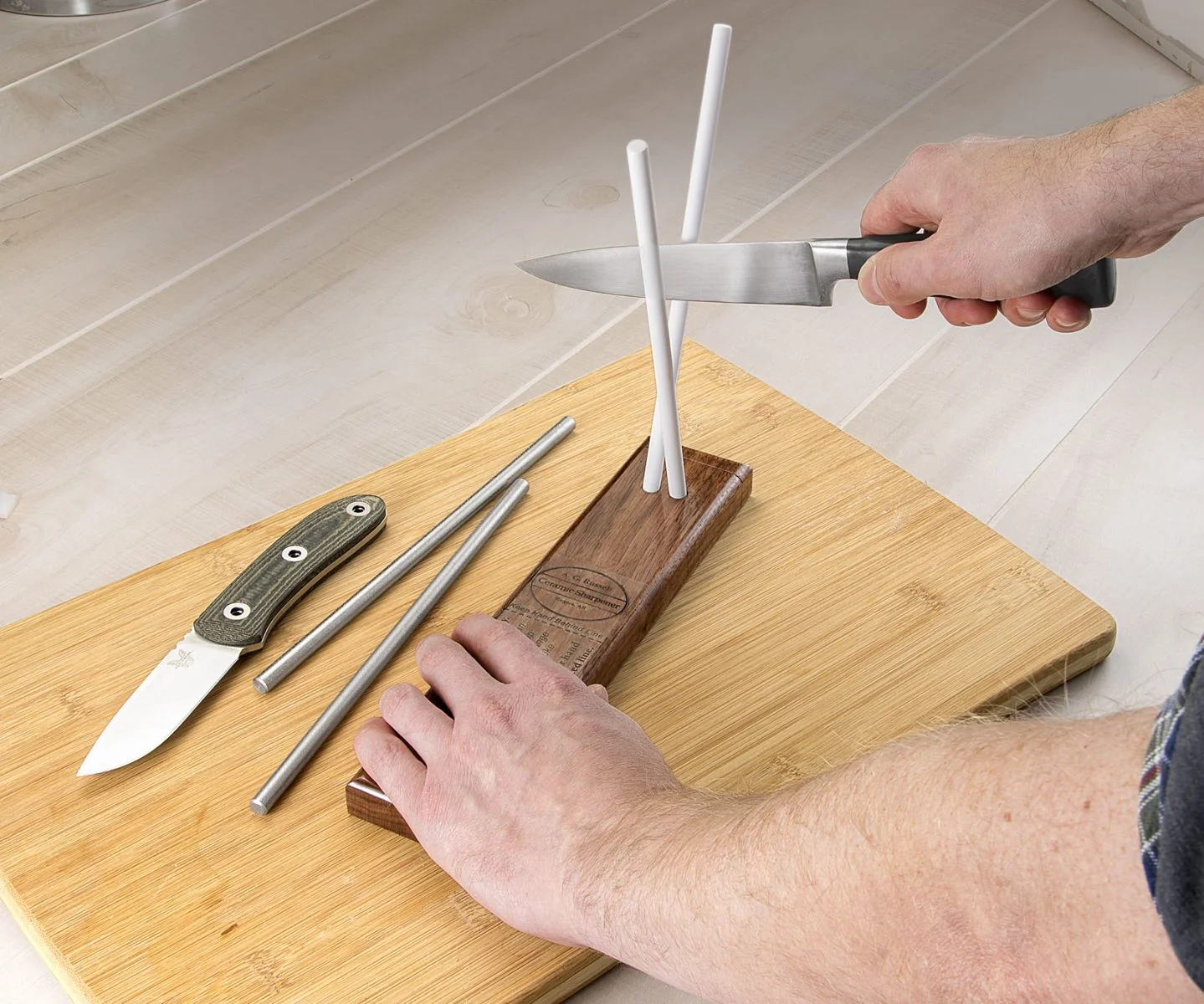
The process of sharpening ceramic knives differs due to the blade material. Traditional sharpening steels or honing rods don’t work because ceramic doesn’t bend or flex like steel. Instead, ceramic knives need diamond abrasives or other specialized sharpening tools that grind the hard surface without cracking it.
This precision grinding method restores the micro-edge on the blade by removing very fine amounts of material, gradually renewing sharpness. Understanding this science helps avoid improper techniques that could weaken or break the blade.
Tools and Materials Needed for Maintenance
Recommended Sharpening Devices
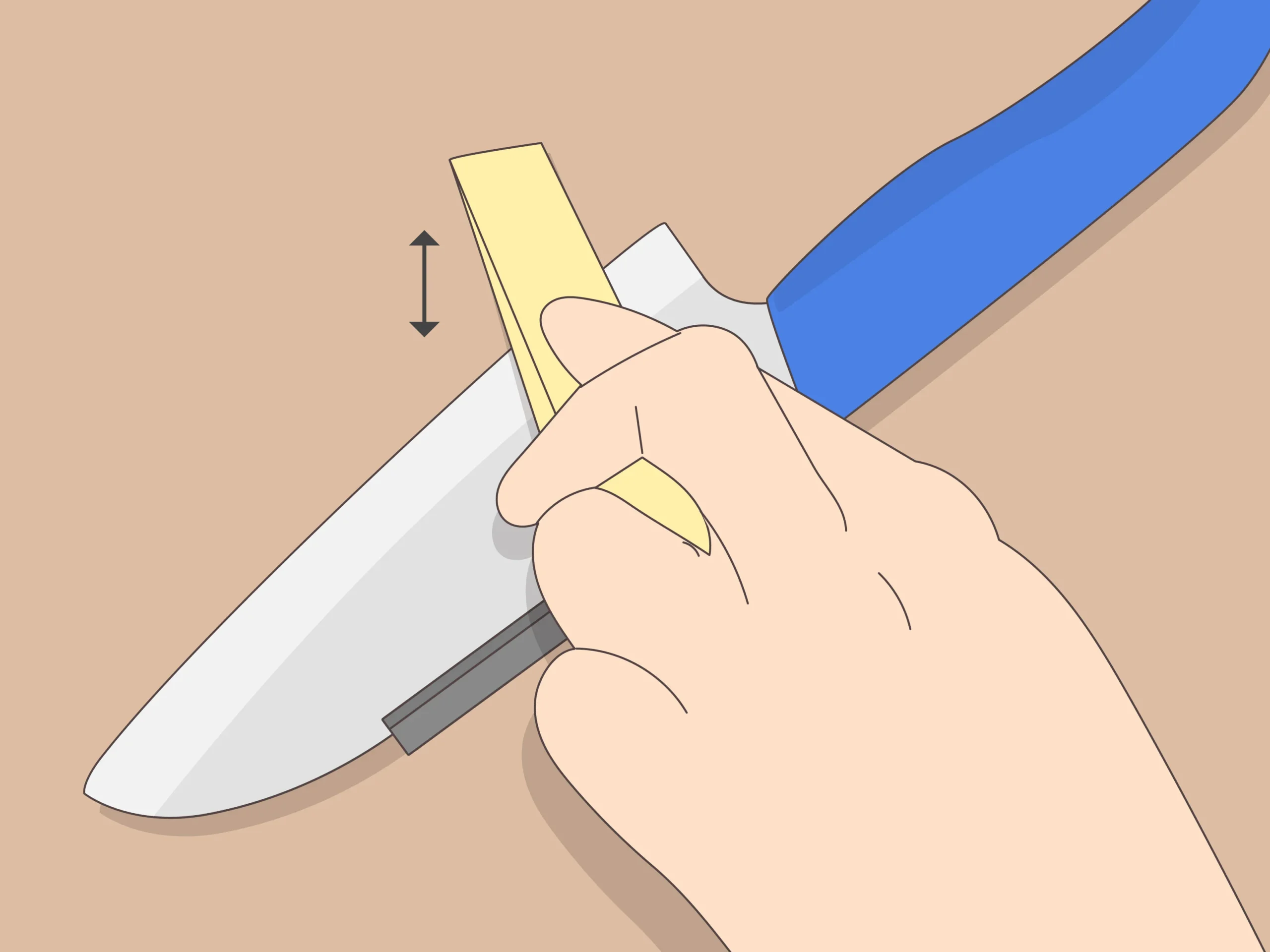
For ceramic knives, specialized diamond sharpening stones or electric sharpeners designed specifically for ceramic blades are recommended. These tools use diamond grit which is tough enough to abrade the hard ceramic without causing cracks. Manual diamond stones allow more control but require patience and skill, whereas electric sharpening systems provide consistent angles but should be used cautiously to avoid over-grinding.
Essential Cleaning Supplies
Maintaining ceramic knives daily also involves having the right cleaning supplies. Use mild dish soap, a soft sponge or microfiber cloth, and a drying towel. Avoid harsh chemical cleaners or scouring pads that could scratch or weaken the blade surface. Having these simple supplies at hand ensures your knives stay clean and sharp without unnecessary damage.
Step-by-Step Ceramic Knife Sharpening Process
Preparation Before Sharpening
Before sharpening, ensure your knife and workspace are clean and dry. Select a well-lit and stable area to work in. If using a manual diamond stone, soak it in water if the manufacturer recommends it. Wear gloves to maintain grip and safety since ceramic blades can be very sharp. Preparing properly minimizes risks and promotes efficient sharpening.
Detailed Sharpening Instructions
Begin by placing the knife blade at approximately a 15-degree angle against the diamond stone or sharpening device. Using moderate pressure, slide the blade across the stone in a sweeping motion from heel to tip. Repeat this process about 8 to 10 times on one side, then switch to the other side, maintaining the same angle and consistency. Keep the movements smooth and avoid pressing too hard to prevent chipping.
After both sides have been sharpened evenly, use a finer grit stone or a ceramic honing rod for finishing touches. This step polishes the edge and ensures a razor-sharp finish ready for kitchen use.
Post-Sharpening Care and Testing
Once sharpening is complete, rinse the knife thoroughly with water to remove any residual particles. Dry it carefully with a soft cloth. To test sharpness, try slicing through a piece of soft fruit or paper—if the knife cuts cleanly without resistance, the sharpening was successful. Store the knife safely as outlined earlier to preserve the newly sharpened edge.
Common Mistakes to Avoid with Ceramic Knives
Handling Errors That Cause Damage
The brittleness of ceramic blades means careless handling can lead to chips or breaks. Common errors include using the knife on hard surfaces like glass or stone cutting boards, twisting the blade while cutting, or using the knife to pry open containers. These actions place undue stress on the blade and cause damage. Always use a wooden or plastic cutting board and appropriate cutting techniques to extend your knife’s life.
Sharpening Pitfalls and How to Prevent Them
Improper sharpening is another frequent cause of blade damage. Using conventional steel sharpeners or applying excessive force can cause cracks. Avoid sharpening without the right tools and don’t rush the process. Maintaining a consistent angle and gentle pressure preserves the blade’s structure. When unsure, it’s better to seek professional sharpening services than risk damaging the knife.
Long-Term Maintenance Strategies
Regular Care Schedule
For the best performance, establish a regular care routine. Clean ceramic knives immediately after each use and inspect them periodically for dull spots or chips. Sharpen only when necessary to avoid over-grinding. Consistent care ensures the knife remains sharp, safe, and ready for your culinary tasks without frequent replacements.
Professional Servicing vs DIY
While many ceramic knife owners can handle regular cleaning and minor sharpening at home, professional servicing is recommended for major edge restoration or if the knife is heavily damaged. Professional sharpeners have advanced equipment and expertise to safely handle ceramic blades without risking further harm. Deciding when to DIY versus professional help balances convenience and preserving your investment in high-quality kitchen tools.