Understanding the Role of Oil in Stir-Fry Cooking
Why Oil is Traditionally Used in Stir-Frying
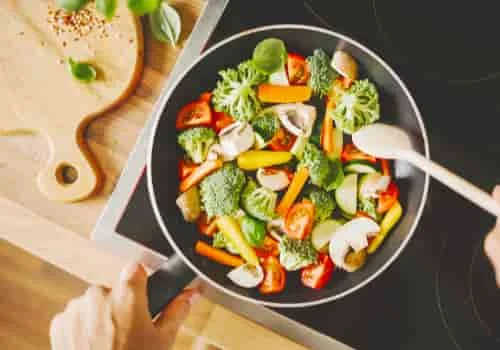
Oil plays a fundamental role in stir-frying, acting as the cooking medium that transfers heat quickly and evenly. Its presence helps prevent ingredients from sticking to the pan and facilitates the rapid cooking process that defines stir-frying. In addition, oil carries flavors and helps with the caramelization of vegetables and proteins, contributing to the characteristic texture and taste of stir-fry dishes.
Common Types of Oils and Their Flavor Profiles
The choice of oil can impact both flavor and health aspects of your stir-fry. Traditional oils like peanut oil and vegetable oil are popular for their high smoke points and neutral flavors, making them ideal for high-heat cooking. Sesame oil, often added at the end, provides a distinct nutty aroma that enhances the dish’s complexity. Olive oil is less common but can be used for lower-heat stir-frying, offering a fruity taste. Understanding these flavor profiles is key when considering how to reduce oil without compromising taste.
Health Benefits of Reducing Oil in Your Stir-Fry
Lowering Calorie Intake
One of the main reasons to reduce oil in stir-fries is to cut down on calorie intake. Oils are calorie-dense, with roughly 120 calories per tablespoon. By minimizing oil usage, you decrease the overall caloric content of your meal, making it more suitable for weight management or reducing calorie consumption without sacrificing the enjoyment of eating flavorful food.
Impact on Heart Health
Cutting back on oil, especially oils high in saturated and trans fats, benefits heart health by lowering cholesterol and reducing the risk of cardiovascular disease. While some oils contain healthy fats, moderation is crucial. Reducing oil can also decrease inflammation and improve blood vessel function, contributing to long-term health improvements.
Step 1: Preparing Ingredients for Oil-Free Cooking
Choosing Fresh Vegetables and Proteins
The foundation of a delicious stir-fry starts with high-quality, fresh ingredients. Selecting crisp vegetables and lean proteins ensures that their natural flavors stand out, allowing you to rely less on oil for taste. Fresh produce with vibrant color and firm texture will hold up well during cooking, maintaining moisture and texture even when using less oil.
Using Marinades to Enhance Natural Flavors
Marinating your proteins and even vegetables before cooking is a simple yet effective way to boost flavor without adding extra oil. Ingredients like soy sauce, garlic, ginger, citrus juice, and spices infuse the components with savory and aromatic notes. This step activates the ingredients’ natural taste, creating a robust base for your stir-fry that compensates for less oil during cooking.
Step 2: Selecting Alternative Cooking Methods
Non-Stick Pans and Their Advantages
A good non-stick pan is indispensable when reducing oil. It allows food to cook evenly without sticking and requires little to no added fat. Choosing quality non-stick cookware can dramatically change the way your stir-fry turns out by preventing burning and facilitating easy stirring, even at high heats.
Steaming and Sautéing as Oil Substitutes
In addition to pan-frying, steaming vegetables before stir-frying softens them and reduces cooking time. This technique preserves nutrients and enhances texture. Light sautéing with a minimal amount of water or broth can replace traditional oil usage, creating a moist environment that prevents sticking and helps develop flavor without greasy residue.
Step 3: Flavor Boosters to Compensate for Less Oil
Using Aromatics like Garlic, Ginger, and Onions
Aromatics are integral to any stir-fry and become even more important when oil content is reduced. Sautéing garlic, ginger, and onions releases their essential oils and enhances the entire dish’s flavor profile, adding warmth and zest that might otherwise be lost without oil’s mouthfeel. These ingredients are a natural gateway to richer, more inviting flavors.
The Power of Vinegars, Citrus, and Soy Sauce
Acidic elements such as vinegars and citrus juice brighten the dish by adding sharpness and balance. Soy sauce contributes umami depth, making the entire meal feel well-rounded and satisfying. These ingredients counterbalance the reduced fat content, ensuring your stir-fry remains vibrant and tasty.
Step 4: Cooking Techniques for Maximum Flavor
High Heat, Quick Cooking Tips
Stir-frying traditionally involves cooking quickly over high heat, and this principle remains crucial when cutting down on oil. High heat helps sear the ingredients, preserving their texture and locking in juices. It also encourages caramelization and Maillard reactions, which produce complex flavors that reduce the need for added fats.
Layering Ingredients for Depth
Layering ingredients in the right order enhances depth and maintains texture. Start with tougher vegetables or proteins, then add delicate items later in the process. This approach ensures each component is cooked to perfection, avoiding sogginess or undercooking, which can happen more easily without oil to mediate heat transfer.
Step 5: Finishing Touches and Presentation
Adding Nuts, Seeds, or Fresh Herbs
Incorporating nuts and seeds adds crunch and a subtle richness without extra oil. Similarly, fresh herbs like cilantro, basil, or scallions introduce brightness and complexity, elevating your stir-fry’s appeal. Both elements provide textural contrast and flavor layers that compensate for the lighter cooking style.
Using Low-Oil Dressings and Sprays
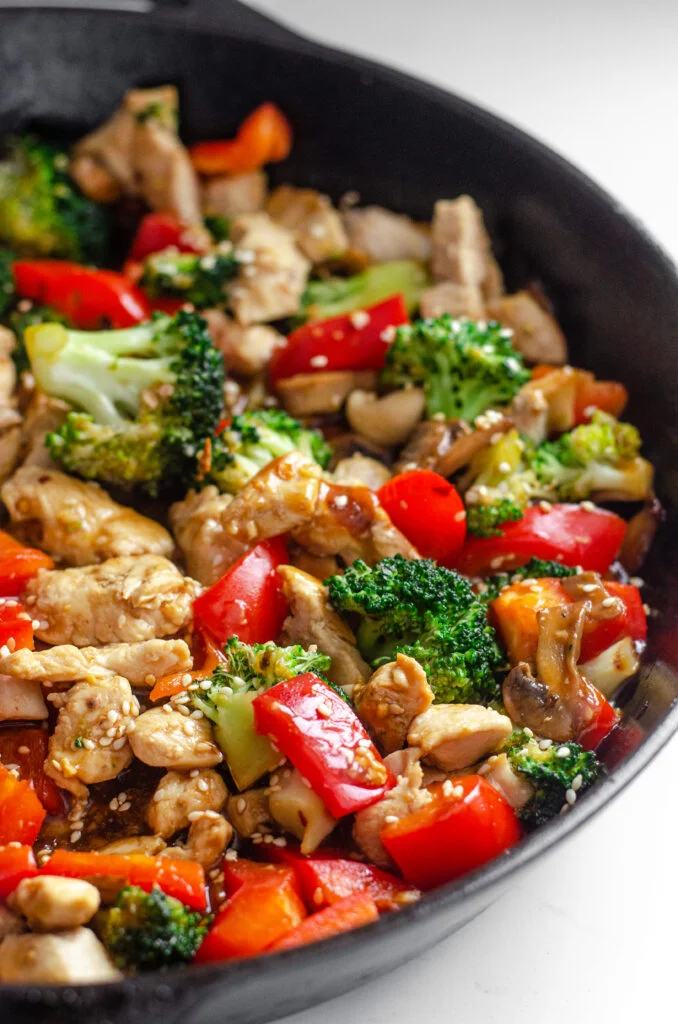
When a hint of oil is still desired, opting for low-oil dressings or utilizing an oil spray can control the quantity precisely. These options allow you to achieve silkiness and shine on the finished dish without overwhelming it with fat. This measured approach keeps the balance between flavor and health benefits intact.
Common Mistakes to Avoid When Reducing Oil in Stir-Fries
Overcrowding the Pan
One frequent error is overcrowding the pan, which releases excess moisture and causes ingredients to steam rather than fry. This results in a soggy texture and less flavorful dish. When reducing oil, maintaining space between ingredients allows for proper heat circulation and better caramelization, essential for taste and presentation.
Ignoring Heat Control
Another pitfall is not adjusting heat properly. Lowering oil levels means food can stick or burn if the temperature is too high or too low. Maintaining consistent high heat and actively stirring the ingredients ensures even cooking and prevents scorching, allowing you to enjoy flavorful stir-fries with less fat.
Conclusion: Achieving Delicious, Healthier Stir-Fries Every Time
Reducing oil in stir-fry recipes is both achievable and rewarding. By understanding the role oil plays, preparing ingredients thoughtfully, employing alternative cooking techniques, and emphasizing flavor boosters, you can create dishes that are just as satisfying but healthier. Avoid common mistakes like overcrowding and poor heat management to ensure success. With these step-by-step strategies, healthier stir-fries packed with flavor become a delicious and sustainable part of your cooking repertoire.