Introduction to Organic and Conventional Spices
Defining Organic and Conventional Spices
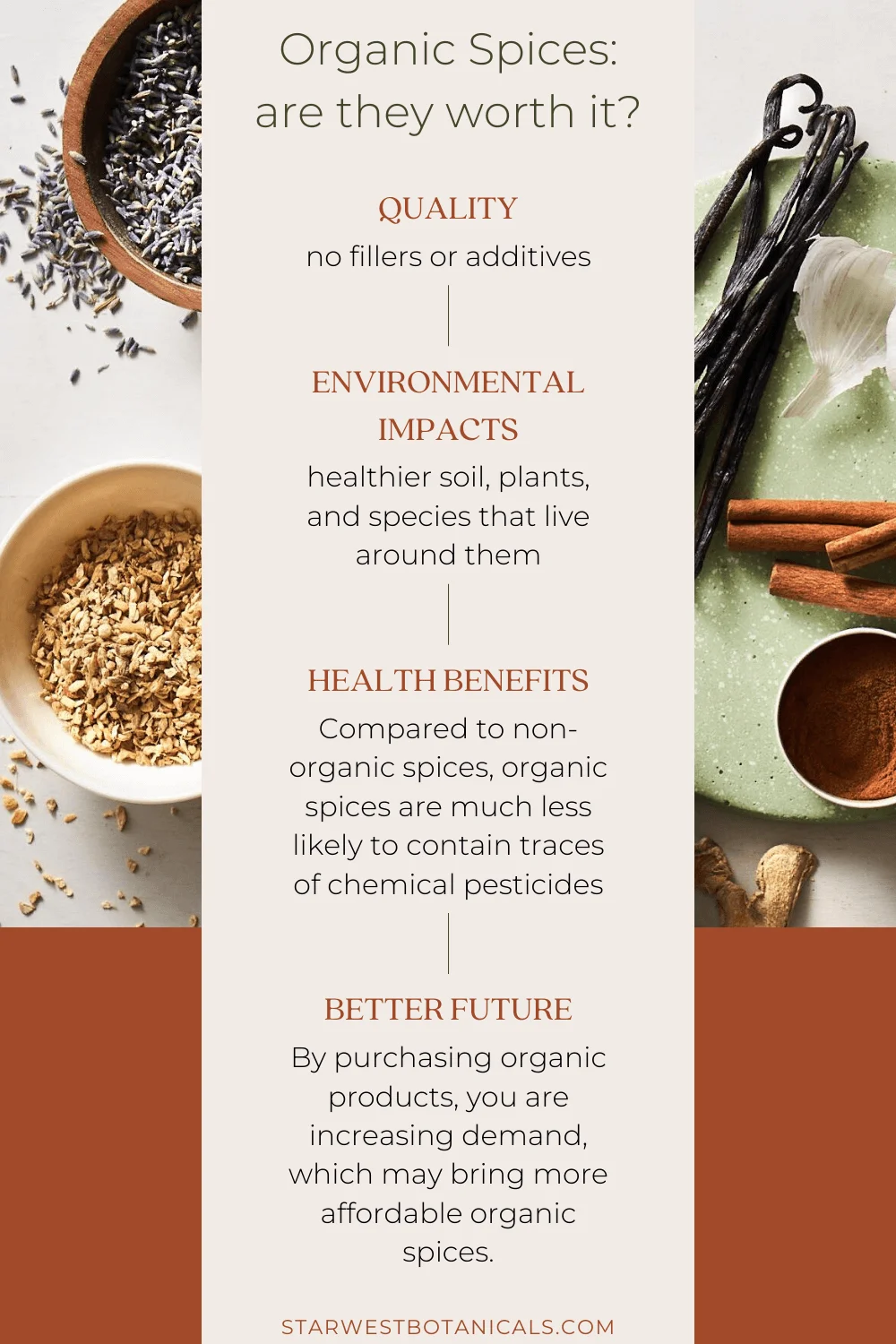
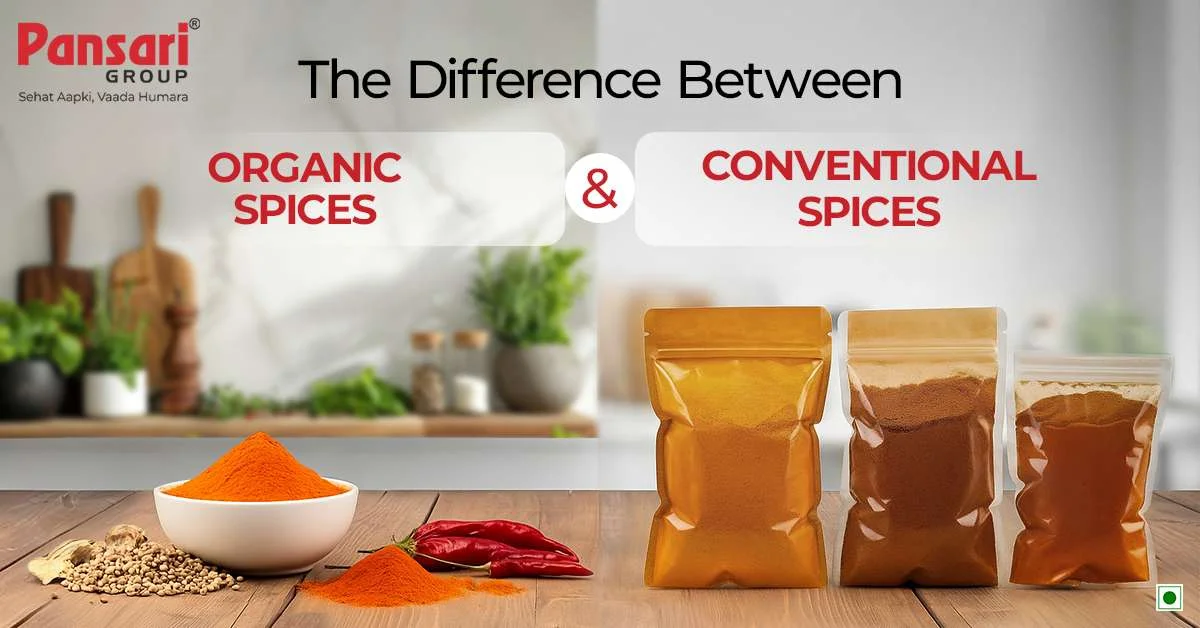
When selecting spices for cooking, understanding the distinction between organic and conventional varieties is crucial. Organic spices are cultivated without synthetic pesticides, herbicides, or chemical fertilizers. These growing methods prioritize natural processes and often emphasize environmental sustainability. Conventional spices, on the other hand, are grown using standard agricultural practices, which may include synthetic chemicals to enhance yield and control pests. Both types are widely available, but their differences extend beyond just farming techniques.
Why the Choice Matters in Cooking
The decision to use organic or conventional spices influences not only the health aspects of your meals but also their flavor and environmental impact. Organic spices can offer more robust and complex taste profiles due to their natural cultivation. Furthermore, choosing organic supports sustainable agriculture, which benefits soil health and biodiversity. Conversely, conventional spices might be more budget-friendly and accessible. Recognizing these factors helps home cooks and chefs make choices aligned with their culinary goals and values.
Comparative Analysis: Organic vs Conventional Spices
Farming Practices and Sustainability
Organic farming involves methods that nurture the environment, such as crop rotation, natural pest control, and avoidance of synthetic chemicals. This approach tends to maintain soil fertility and protect surrounding ecosystems. Conventional farming, while often more intensive, relies heavily on chemical inputs to maximize output but may contribute to soil degradation and biodiversity loss over time. Therefore, those concerned with environmental sustainability often lean toward organic options.
Health Implications and Safety
Health-conscious consumers often favor organic spices because they are less likely to contain pesticide residues and synthetic additives. Although conventional spices are regulated for safety, trace chemicals may remain. Additionally, organic spices usually avoid irradiation and genetic modification. While the health risks from conventional spices are generally low, individuals with sensitivities or preferences for natural products may find organic spices more suitable.
Flavor Profiles and Culinary Impact
The cultivation method can affect the taste and aroma of spices. Organic spices often have stronger, more nuanced flavors because the plants grow under natural stress and soil conditions, which can enhance essential oil content. Conventional spices might have a milder flavor but benefit from consistent availability and price. Ultimately, the choice influences the depth and authenticity of a dish’s flavor, making experimentation important.
Criteria for Selecting the Right Spices
Understanding Quality Indicators
When selecting spices, look for indicators such as vibrant color, strong aroma, and minimal clumping. These signs suggest freshness and proper processing. Organic spices should come from reputable sources that maintain these quality standards. Conventional spices, too, vary in quality, so examining texture and packaging information helps ensure you receive a product that meets your culinary expectations.
Certification and Label Verification
Verifying certifications is essential when purchasing organic spices. Labels like USDA Organic or other recognized certifications assure compliance with organic farming standards. For conventional spices, inspection of ingredient lists and origin details supports transparency. Avoiding misleading labels by checking official certifications prevents disappointment and ensures authenticity.
Budget Considerations
Organic spices typically come at a premium price due to more labor-intensive farming and certification costs. Budget constraints may lead some to choose conventional spices, which are more affordable and widely stocked. Balancing cost with desired quality and health benefits involves evaluating which spices you use frequently and where investing in organic versions provides the most value.
Step-by-Step Process for Choosing Spices
Step 1: Assess Your Cooking Needs
Begin by identifying the spices you use most often and the dishes you prepare regularly. This assessment helps prioritize which spices warrant investing in organic options and which can be conventional without compromising your cooking.
Step 2: Research Suppliers and Brands
Look for reputable suppliers known for quality and transparency. Reading reviews and seeking recommendations can uncover trustworthy brands that offer both organic and conventional spices. Familiarize yourself with sourcing practices and customer feedback to make informed decisions.
Step 3: Compare Prices and Availability
Compare costs between organic and conventional spices across various vendors. Consider availability in local markets versus online options. Sometimes, organic spices are seasonal or limited in supply, influencing your buying choices.
Step 4: Taste Testing and Experimentation
Try small quantities of both organic and conventional spices in your recipes to detect differences in flavor and aroma. Personal preference plays a significant role here, so sampling allows you to evaluate which suits your palate and cooking style best.
Step 5: Making an Informed Purchase
After balancing factors such as quality, health considerations, price, and flavor, make a purchase that aligns with your priorities. Keep track of your experiences with each spice type to refine your future selections and build a pantry tailored to your culinary needs.
Storing and Using Organic and Conventional Spices
Proper Storage Techniques to Maintain Freshness
To preserve the potency of both organic and conventional spices, store them in airtight containers away from light, heat, and moisture. Glass jars with tight-fitting lids placed in a cool, dark cupboard extend shelf life and keep flavors intact. Avoid frequent opening and exposure to humidity, which can degrade quality.
Maximizing Flavor in Recipes
Use spices towards the end of cooking or toast them lightly to unlock their full aroma. Grinding whole spices fresh can also elevate taste. Whether organic or conventional, mindful usage enhances dishes by highlighting the nuanced flavors characteristic of each spice variety.
Conclusion: Making the Best Choice for Your Kitchen
Selecting between organic and conventional spices involves weighing factors such as environmental impact, health benefits, cost, and flavor quality. By understanding these elements and following a systematic selection process, you can curate a spice collection that best complements your cooking style and values. Remember, experimenting with both types and paying attention to quality indicators will guide you toward choices that enrich your culinary creations.