Understanding Plant-Based Thickeners
What Are Plant-Based Thickeners?
Plant-based thickeners are natural substances derived from various plants, used primarily to improve the texture and consistency of food. These thickeners work by absorbing water and swelling or forming gels, which helps to give gluten-free baked goods the structure and mouthfeel that gluten typically provides. Understanding these thickeners is essential for anyone venturing into gluten-free baking, as they play a crucial role in mimicking the elasticity and cohesiveness lost without gluten.
Benefits in Gluten-Free Baking
The importance of plant-based thickeners in gluten-free baking cannot be overstated. They help achieve the desired texture, preventing baked goods from becoming crumbly or too dense. Moreover, plant-based options often bring nutritional benefits such as added fiber and essential nutrients, making them a healthier choice. Their natural origin also aligns well with clean-label trends, appealing to those looking for minimally processed ingredients without artificial additives.
Key Types of Plant-Based Thickeners
Common Varieties: Agar, Xanthan Gum, Guar Gum
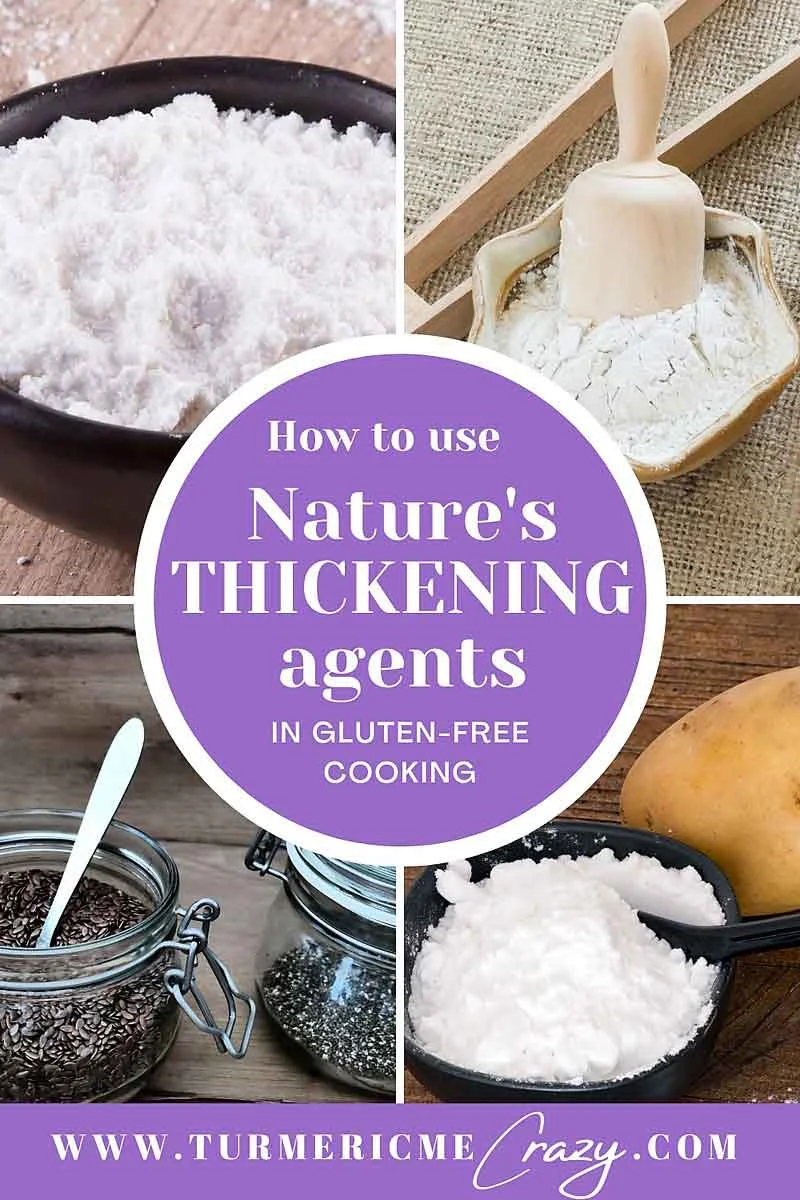
Among the most widely used plant-based thickeners are agar, xanthan gum, and guar gum. Agar, extracted from seaweed, forms a firm gel and is excellent for recipes requiring a sturdier set, like puddings or jellies. Xanthan gum is a versatile option made through the fermentation of sugars and helps improve the elasticity and structure in gluten-free doughs. Guar gum, derived from guar beans, is prized for its ability to thicken quickly and provide a smooth texture in batters and sauces. Each of these thickeners brings unique qualities that cater to different recipe requirements.
Emerging Alternatives: Flaxseed, Chia Seeds, Arrowroot
In recent years, bakers have discovered promising alternatives such as flaxseed, chia seeds, and arrowroot powder. Flaxseed and chia seeds are not only thickeners but also provide a gel-like binding effect when soaked, which can help hold ingredients together naturally. Arrowroot powder, a starch extracted from tropical plants, offers a neutral flavor and creates a glossy finish, making it suitable for delicate baked goods. These options are gaining popularity due to their clean labels and added nutritional benefits.
Criteria for Choosing the Best Thickener
Texture and Consistency Requirements
Choosing the right thickener begins with understanding the desired texture of your baked goods. For items like bread or cakes, elasticity and moisture retention are paramount, which makes xanthan gum or guar gum excellent choices. However, if you’re baking a custard or jelly-like dessert, agar’s gel-forming properties might be more appropriate. Assessing the moisture content and firmness you need will guide you in selecting a thickener that achieves the perfect consistency.
Flavor Impact and Compatibility
Another crucial factor is the flavor profile of the thickener. Some thickeners, like flaxseed and chia, may introduce nutty or earthy undertones, which can enhance certain recipes but may clash with others. In contrast, arrowroot and xanthan gum are largely flavorless, making them versatile for a broad range of dishes. When choosing a thickener, consider how its taste complements or contrasts with your recipe’s ingredients to maintain a balanced flavor.
Allergen Considerations
Since gluten-free baking often targets individuals with food sensitivities, paying attention to potential allergens is essential. While many plant-based thickeners are hypoallergenic, some, like guar gum, might cause reactions in sensitive individuals. Always check labels for cross-contamination risks and opt for certified allergen-free products when necessary. Understanding your target audience’s dietary restrictions will help ensure safety and customer satisfaction.
Step-by-Step Selection Process
Step 1: Assess Your Recipe Needs
Begin by thoroughly analyzing your recipe’s requirements. Identify the type of baked good you want to make, its expected texture, moisture level, and how firm or soft it should be. Consider whether the recipe needs binding, thickening, or both. This foundational step ensures you select the thickener best suited to achieving your desired outcome rather than guessing or relying on generic options.
Step 2: Research Suitable Thickeners
Next, look into the variety of thickeners available and how they perform in similar recipes. Read product descriptions, reviews, and baking forums to learn about the strengths and weaknesses of each thickener. This research will help narrow down your choices and provide insights into quantities and combinations that work well for specific gluten-free applications.
Step 3: Experiment with Proportions
Once you select a candidate thickener, test it in small batches of your recipe. Adjust the amount gradually because too much can create an unpleasant gummy texture, while too little may leave the product crumbly. Keep detailed notes on the quantities used and the resulting texture to develop a refined sense of the optimal proportion tailored for your baking style.
Step 4: Evaluate Results and Adjust
After baking, evaluate the texture, flavor, and overall quality of your product. If the outcome is not quite right, tweak the proportions or try blending two different thickeners to leverage their combined benefits. This iterative approach is key to mastering gluten-free baking, as even small adjustments can significantly improve your results over time.
Tips for Perfect Gluten-Free Baking
Combining Thickeners for Optimal Results
Sometimes, a single thickener may not meet all your recipe’s needs. Combining thickeners, such as pairing xanthan gum with arrowroot or flaxseed gel, can balance textural and binding properties. This method allows you to harness the strengths of different thickeners, yielding better crumb structure, moisture retention, and mouthfeel. Be mindful to experiment with small increments when mixing to avoid any adverse effects on the final product.
Common Mistakes to Avoid
When using plant-based thickeners, several pitfalls can hinder your baking success. A common mistake is overusing thickeners, which can lead to tough, rubbery textures. Another is neglecting to properly hydrate seeds like flax and chia before adding them, which diminishes their effectiveness. Additionally, failing to account for the unique hydration and setting times of thickeners can disrupt your baking schedule and consistency. Pay close attention to directions and allow for plenty of testing to avoid these issues.
Additional Resources and Tools
Where to Purchase Quality Plant-Based Thickeners
Finding high-quality plant-based thickeners can make a significant difference in your baking. Specialty baking stores, health food markets, and reputable online retailers often stock a range of these products. Look for brands that emphasize purity, organic sourcing, and allergen-free processing. Reading customer reviews and checking for certifications can help ensure you purchase reliable ingredients that perform well.
Recommended Recipe Inspirations
To put your knowledge into practice, seek out gluten-free recipes that showcase different thickeners. From chewy gluten-free breads using xanthan gum to silky puddings thickened with agar or arrowroot, experimenting with diverse recipes helps build confidence. Many food blogs and cookbooks dedicated to gluten-free baking offer detailed guidance and tips tailored to plant-based thickeners, making them excellent resources for both beginners and seasoned bakers.