Introduction to Sous Vide Cooking
What is Sous Vide?
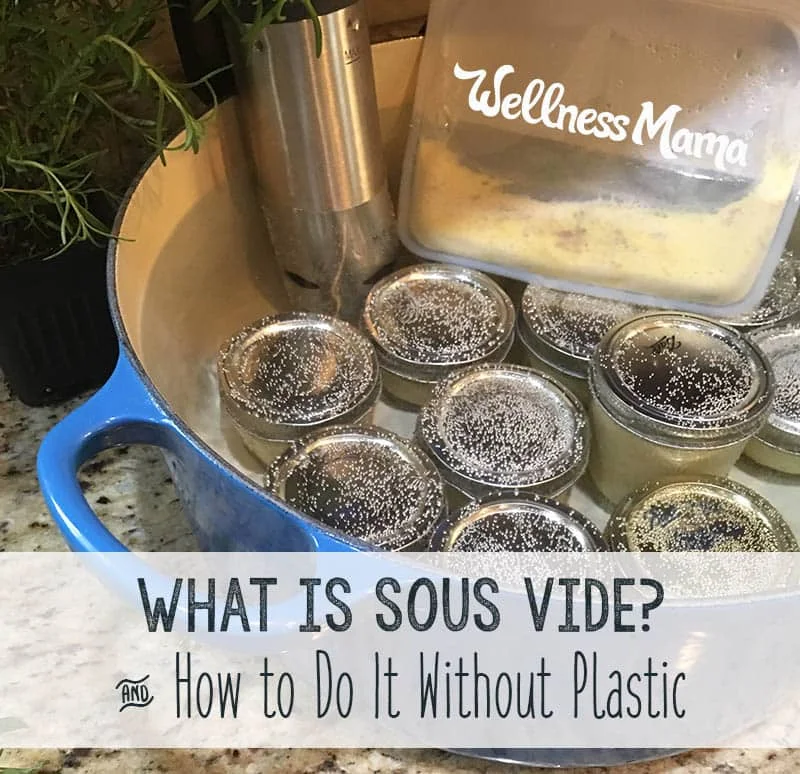
Sous vide, French for “under vacuum,” is a cooking technique that involves sealing food in a plastic pouch and cooking it in a water bath at a precise, controlled temperature. This method ensures even cooking throughout and retains moisture and flavor in ways traditional cooking often cannot. While professional chefs commonly use expensive sous vide machines, the principle remains accessible for home cooks without high-end gadgets.
Benefits of Sous Vide at Home
Cooking sous vide at home can transform ordinary meals into restaurant-quality dishes. The process yields perfectly cooked proteins, vegetables with vibrant texture, and enhanced flavor retention. Importantly, sous vide reduces the risk of overcooking, which is a common issue in conventional cooking. By controlling the temperature precisely, you ensure consistent results every time, making home cooking less stressful and more rewarding.
Essential Ingredients and Tools for Budget-Friendly Sous Vide
Everyday Kitchen Items You Can Use
Many home cooks assume sous vide requires specialized equipment, but this is a misconception. Basic kitchen items like large pots or deep baking dishes can serve as water baths. Heavy-duty ziplock bags or reusable silicone bags can replace vacuum-seal pouches, and common household thermometers help monitor water temperature. These items are typically already available or inexpensive to acquire.
Low-Cost Alternatives to Traditional Sous Vide Machines
Expensive immersion circulators regulate water temperature precisely, but you can achieve similar results without them. Using a stovetop or electric kettle to heat water, then transferring it to an insulated container, can maintain temperature for extended periods. Additionally, some cooks use slow cookers or rice cookers with precise temperature settings as makeshift sous vide setups. The key is consistent temperature, which can be managed creatively without high-tech devices.
Step 1: Preparing Your Ingredients
Choosing the Right Cuts and Seasonings
One common problem beginners face is selecting inappropriate cuts that don’t benefit from sous vide’s gentle cooking. Thinner or tender cuts like chicken breasts, salmon, or pork chops work well, while tougher cuts may need longer cooking times. Seasoning plays a vital role in flavor development, but it’s important to keep it balanced since sous vide intensifies taste. Using herbs, spices, and marinades before sealing can elevate your dishes without overwhelming them.
Packaging Techniques Without Vacuum Sealers

Vacuum sealing ensures air is removed to prevent uneven cooking, but its absence is not a dealbreaker. To avoid air pockets, a simple yet effective technique is the water displacement method: place your ingredients in a ziplock bag, slowly submerge it into water to push out the air, then seal the bag just above the water line. This method greatly reduces air and mimics the vacuum seal effect at zero cost.
Step 2: DIY Water Bath Setup
Maintaining Precise Temperatures Without High-Tech Equipment
Consistent water temperature is the backbone of sous vide cooking. Without an immersion circulator, the temperature may fluctuate. The cause often lies in heat loss from exposed water or inaccurate heating methods. A solution is to use insulated containers like coolers or thick pots covered with lids or foil to minimize heat escape. Heating water in intervals and stirring occasionally helps maintain an even temperature, especially when combined with a reliable thermometer.
Tips for Temperature Control Using Household Tools
Using a digital kitchen thermometer, check water temperature regularly. If the temperature drops below the target, briefly reheat the water on the stove or use an electric kettle to add hot water. Avoid drastic temperature swings by adding small amounts of hot water gradually. Some cooks improve control by placing the pot on low heat settings or using electric hot plates with adjustable temperatures. These simple adjustments prevent common temperature problems that compromise the sous vide process.
Step 3: Cooking Process and Timing
Recommended Temperatures for Popular Meals
Each ingredient requires precise temperatures and cooking times for optimal results, which can be confusing without guidance. For example, chicken breast cooks perfectly at 140°F (60°C) for 1 to 2 hours, while steaks achieve medium-rare doneness around 130°F (54°C) for about 1 hour. Vegetables usually need higher temperatures between 183°F (84°C) and 185°F (85°C) but shorter times to retain texture. Following trusted temperature charts helps you avoid undercooked or mushy outcomes.
Monitoring Cooking Progress Safely and Effectively
Unlike traditional cooking, sous vide requires patience and minimal disturbance. Opening the bag or water bath frequently can cause heat loss and uneven cooking. Instead, rely on timers and infrequent temperature checks. If you need to extend cooking due to timing, sous vide’s forgiving nature allows holding food safely at target temperatures without degradation. This flexibility is a major advantage but requires discipline to keep the setup stable.
Step 4: Finishing Techniques to Enhance Flavor
Searing and Presentation Tips
After sous vide cooking, food often looks pale and lacks appealing crusts due to the low-temperature cooking method. A quick sear in a hot pan or on a grill adds texture and deep flavor through the Maillard reaction. Use high smoke point oils like avocado or grapeseed oil for best results. Pat the food dry before searing to get a crisp finish. Presentation can be enhanced by slicing cleanly and arranging with complementary sides or garnishes that contrast visually and texturally.
Creative Serving Ideas
Elevate your sous vide dishes by pairing them creatively. For instance, serve sous vide chicken with herb-infused sauces or accompany sous vide vegetables with compound butters. Using edible flowers, fresh herbs, or lightly toasted nuts can add sophistication without complexity. These finishing touches make your home-cooked meals feel special without requiring advanced culinary skills.
Common Mistakes to Avoid in Budget Sous Vide Cooking
Temperature and Timing Pitfalls
The most frequent error is inconsistent temperature control, which leads to uneven cooking and potential food safety issues. This often happens when relying solely on guesswork or imprecise tools. Neglecting to monitor temperature closely, or cooking for inappropriate durations, can result in undercooked or overcooked food. The solution is frequent temperature checks and adhering to reliable cooking guides tailored to each ingredient.
Packaging Errors That Affect Quality
Improper sealing is another problem that compromises sous vide results. Air pockets inside bags cause uneven heat transfer, creating partially cooked or dry sections. Using poor-quality bags or failing to secure edges properly also risks water seeping in, diluting flavors and affecting texture. Employing airtight sealing methods like the water displacement technique and choosing heat-safe storage bags mitigate these problems and ensure consistent outcomes.
Conclusion: Mastering Sous Vide Without Breaking the Bank
Summary of Key Tips
Sous vide cooking at home is achievable and rewarding without expensive devices. The critical factors are maintaining stable water temperature, using effective packaging methods, and understanding precise cooking times. Everyday kitchen tools combined with thoughtful preparation and monitoring can produce excellent results, enabling anyone to explore this technique affordably.
Encouragement to Experiment and Innovate
The beauty of sous vide is its flexibility and forgiving nature, especially when approached with creativity. Don’t hesitate to experiment with different ingredients, seasonings, and homemade setups to find what works best for your kitchen. Embracing this process opens the door to culinary exploration that is both accessible and enjoyable, ultimately elevating your home cooking without extra expense.