Introduction to Allergy-Friendly Baking
Understanding Common Baking Allergens
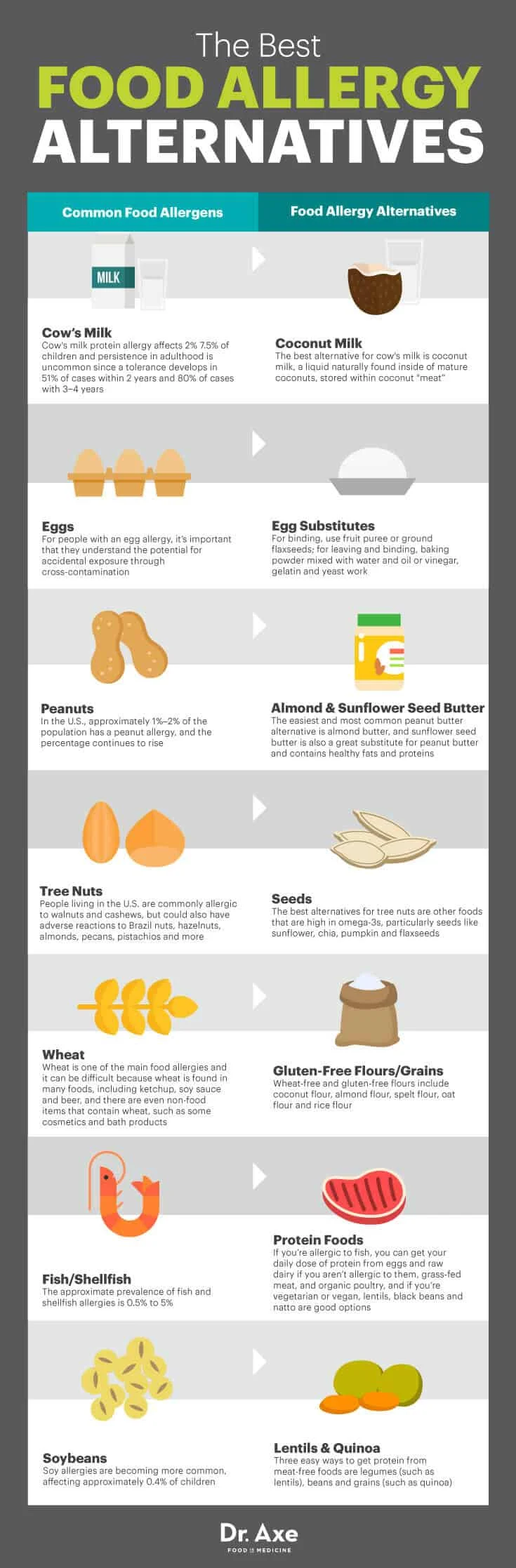
Baking is a beloved pastime, but for many, it comes with challenges. Allergens present in traditional recipes can turn a delightful experience into a health hazard. Common baking allergens include eggs, dairy, gluten, nuts, and soy—ingredients that often form the backbone of baked goods. Knowing what these ingredients are and how they function in recipes is the first step toward successful substitution.
Why Substitute Ingredients?
Substituting ingredients is more than just avoiding allergens; it’s about creating baked goods that everyone can enjoy without compromising taste or texture. Whether it’s for yourself, family, or friends with allergies, learning to replace these ingredients opens doors to inclusivity in the kitchen. Plus, allergy-friendly baking can lead to healthier alternatives that suit various dietary preferences without diminishing the joy of homemade treats.
Identifying Your Allergens
Top 5 Common Allergens in Baking
Before diving into substitutions, it’s essential to identify which allergens need to be avoided. Eggs contribute structure and moisture, dairy adds richness and tenderness, gluten provides elasticity and chewiness, nuts bring flavor and crunch, and soy appears in many processed baking ingredients. Understanding these roles can help in selecting suitable replacements that maintain the integrity of your final product.
Cross-Contamination Risks and How to Avoid Them
Even the best substitutions won’t help if cross-contamination occurs. Shared utensils, surfaces, and storage spaces can introduce allergens into otherwise safe ingredients. To avoid this, thoroughly clean all equipment before baking, store allergen-free ingredients separately, and, if possible, dedicate specific tools for allergy-friendly baking. This diligence ensures that your safe substitutions remain uncontaminated and truly safe for sensitive individuals.
Substitution Strategies by Allergen
Egg Alternatives: From Flaxseed to Commercial Replacers
Eggs serve several functions like binding, leavening, and moisture retention. Flaxseed meal mixed with water creates a gel-like consistency that mimics eggs well in many recipes. Applesauce and mashed bananas are also popular for moisture and flavor, though they may alter the taste slightly. For more neutral options, commercial egg replacers formulated specifically for baking offer consistent results and are especially useful in recipes where texture is critical.
Dairy-Free Options: Milks, Butters, and Creams
Dairy adds creaminess and richness, but there are numerous plant-based alternatives that work beautifully. Almond, oat, and coconut milk offer different flavor profiles and textures. When substituting butter, coconut oil or vegan margarine can replicate the fat content needed for flakiness and tenderness. For creams, silken tofu or blended cashews can provide the same smoothness without dairy. Experimenting with these can lead to new and exciting flavor combinations.
Gluten Replacements: Flours and Binders
Gluten is responsible for the structure and elasticity in doughs and batters. When substituting gluten-containing flours, blends of rice flour, tapioca starch, and potato starch often work well together. Xanthan gum or guar gum are essential binders that help compensate for the missing gluten, preventing crumbliness and providing the necessary stretch. Without these, gluten-free baked goods might turn out too dry or fall apart easily.
Nuts and Seeds: Safe Swaps for Crunch and Flavor
For those allergic to nuts, seeds such as pumpkin, sunflower, or chia can provide a similar crunch and nutritional boost. If seeds are also off-limits, toasted oats or crispy rice cereal might be used to add texture without risking an allergic reaction. Swapping nut butters for seed butters like sunflower seed butter opens up possibilities for creamy layers and fillings without the allergen risk.
Soy Substitutes in Baking Recipes
Soy appears in many forms, from soy milk to soy lecithin, a common emulsifier in chocolate and baked goods. Coconut or oat milk often serve as great soy milk alternatives. When soy lecithin is in the recipe, searching for products labeled soy-free or substituting with sunflower lecithin can help maintain proper emulsification. Always reading labels carefully is crucial, as soy can hide in unexpected ingredients.
Step-by-Step Substitution Process
Reading Recipes with a Critical Eye
Not all recipes lend themselves equally to substitutions. Begin by examining each ingredient and its role. Is the egg providing lift, moisture, or binding? Is the dairy mostly flavor or fat? This understanding guides the choice of substitute. Sometimes a simple one-to-one swap works, but other times you’ll need to adjust other aspects of the recipe to balance the changes.
Measuring and Mixing with Alternative Ingredients
Precision matters when working with alternatives. Measuring carefully ensures consistency, especially since some substitutes might absorb more liquid or behave differently under heat. Mixing should be gentle but thorough to distribute these new ingredients evenly. In gluten-free baking, resting the batter or dough before baking can improve texture and hydration.
Adjusting Baking Times and Temperatures
Alternative ingredients often require tweaking baking times or oven temperatures. For example, dairy-free fats might melt faster, affecting browning, or gluten-free flours might need longer baking to set properly. Start by reducing your usual temperature by 10-15 degrees Fahrenheit to prevent over-baking, and keep a close eye on your goods. Testing and note-taking are your best friends here.
Practical Tips for Successful Allergy-Free Baking
Storage and Shelf-Life of Allergy-Safe Ingredients
Many allergy-friendly ingredients have different storage needs than their traditional counterparts. Nut-free seed butters may separate or spoil faster, and gluten-free flours can turn rancid if exposed to air and light. Keeping these in airtight containers, preferably refrigerated, preserves freshness and quality. Labeling ingredients with purchase or opening dates helps keep track.
Flavor and Texture Tips to Mimic Traditional Baking
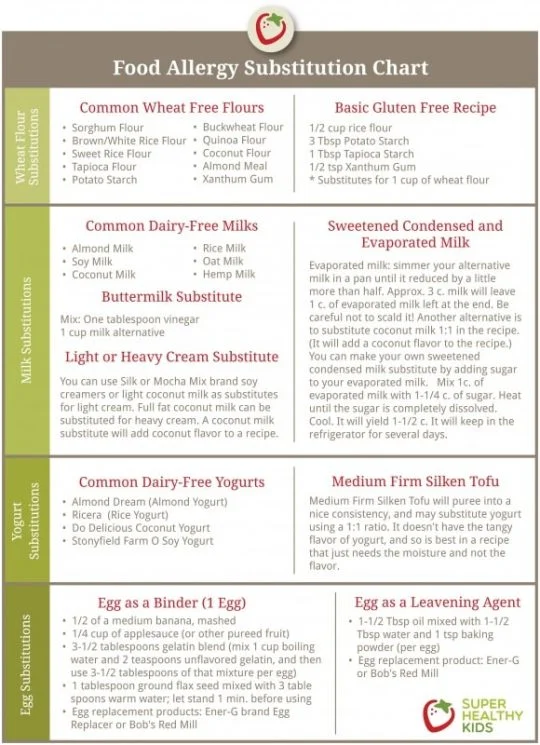
Substitutions sometimes alter flavor or texture noticeably. Adding a touch of acid, like lemon juice or vinegar, can brighten flavors when dairy is missing. Using a mix of flours rather than one single type often produces better texture in gluten-free baking. Incorporating spices or extracts can balance out subtle differences and enhance the overall sensory experience, making allergy-friendly treats just as satisfying.
Common Mistakes and How to Avoid Them
One common pitfall is substituting ingredients without considering their functional roles, leading to dense or crumbly results. Another mistake is neglecting the moisture content, which can shift when changing fats or liquids. To avoid these, always research or test substitutions before committing to a recipe and don’t hesitate to make gradual changes. Keeping detailed notes on what worked and what didn’t will improve future baking endeavors.
Conclusion: Enjoying Safe and Delicious Baked Goods
Baking without common allergens is not only possible but can be incredibly rewarding. With thoughtful substitutions and a bit of patience, you can create treats that everyone can enjoy safely. Remember, understanding your allergens, choosing appropriate alternatives, and paying attention to how these changes affect your recipe will set you up for success. The joy of sharing allergy-friendly baked goods is worth every experiment and adjustment.