Introduction to Regional Spice Blends
Defining Spice Blends and Their Significance
Spice blends are carefully crafted mixtures of herbs, seeds, and ground spices that come together to form unique flavor profiles representative of specific regions. These blends are much more than just seasoning; they carry the essence of a culture’s culinary identity and influence the taste of countless dishes. Whether it’s the aromatic notes of cumin and sumac in Middle Eastern za’atar or the warming warmth of cardamom and cinnamon in Indian garam masala, each combination tells a story of tradition and taste.

Historical Context: How Spice Blends Shaped Cuisines
Throughout history, the quest for spices led to the establishment of trade routes that connected continents and introduced new ingredients to local kitchens. These routes allowed for the blending of cultures and the birth of new culinary traditions. The Silk Road, for example, facilitated the exchange of spices between Asia and Europe, while the spice trade greatly influenced the evolution of regional blends. Such historical interplay shows how spice blends became markers of identity and techniques passed down through generations.
Exploring Popular Regional Spice Blends
Middle Eastern Za’atar and Its Variations
Za’atar is a quintessential Middle Eastern blend that typically combines dried thyme, sumac, sesame seeds, and salt. This aromatic mix is central to many dishes from Lebanon, Syria, and Jordan. For instance, in Beirut, it’s common to start the day with manakish – flatbread sprinkled generously with za’atar and olive oil. Variations of za’atar exist depending on local herbs and the ratio of ingredients, reflecting the diversity within the region itself.
Indian Garam Masala: Ingredients and Uses
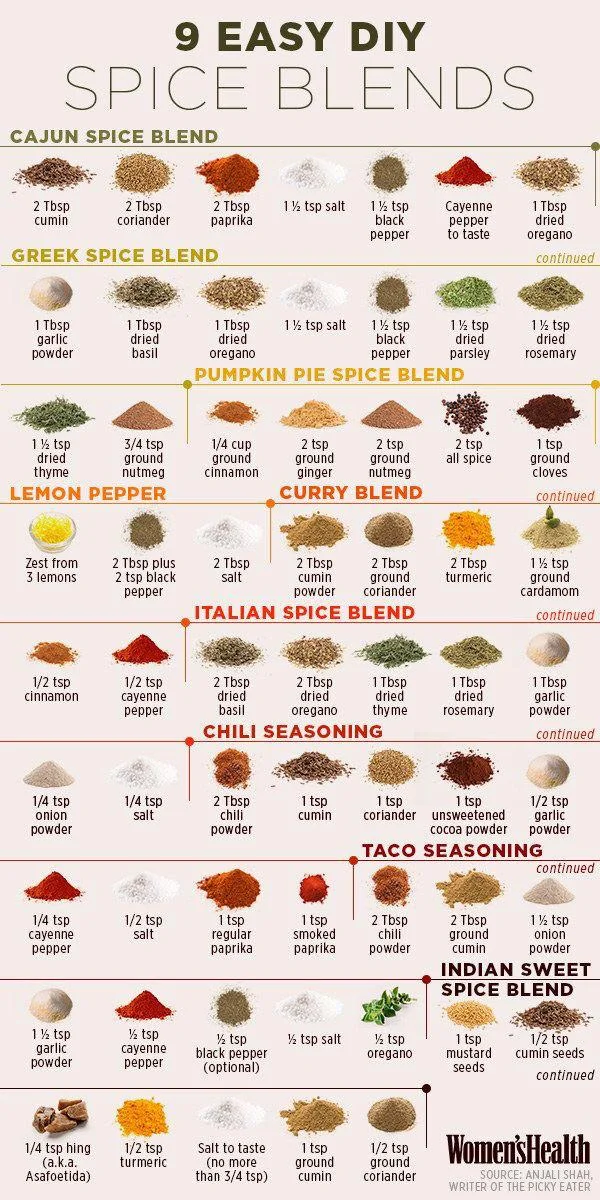
Garam masala translates to “warm spice mix” and is crucial in Indian cooking, adding depth and complexity to curries, stews, and grilled meats. Its ingredients often include cardamom, cinnamon, cloves, cumin, and black pepper. A home cook in Delhi might toast whole spices before grinding them fresh to release vibrant aromas, while in southern India, versions may blend in star anise or dried red chilies to contrast the northern varieties, showcasing regional differences within the country.
Mexican Adobo: Tradition and Flavor Profiles
Adobo in Mexico represents a variety of spice blends and marinades that combine chili peppers, oregano, garlic, and vinegar. Its smoky and tangy notes are integral to dishes like chicken adobo or pork marinades in Veracruz. The blend varies widely across Mexican states, with some regions favoring smoky chipotles while others incorporate sweeter guajillo chilies, illustrating how local climates and available ingredients influence the flavors.
The Cultural Stories Behind Each Blend
Trade Routes and the Spread of Spices
The rich tapestry of spice blends is a direct result of ancient trade routes like the Incense Route and the Spice Route. Through them, spices such as cinnamon from Sri Lanka, black pepper from India, and sumac from the Levant traveled vast distances, leading to the fusion of culinary practices. These routes didn’t merely transport goods; they transmitted knowledge and preferences that shaped regional cooking styles and led to new blends, adapting to local palates and available produce.
Local Ingredients Influencing Blend Composition
The unique availability of herbs and spices in any given region greatly impacts the composition of its blends. For example, the use of sumac in Middle Eastern za’atar reflects the local abundance of this tart berry, while the prominence of dried chilies in Mexican adobo arises from native cultivation. This connection between geography and flavor is why no two spice blends are exactly alike — they echo their environments, farming practices, and cultural histories.
How to Identify Regional Spice Blends by Scent and Taste
Common Aromatic Characteristics to Recognize
Recognizing a spice blend starts with engaging your sense of smell. Middle Eastern za’atar often presents a fresh, herbaceous aroma punctuated by nutty sesame seeds and a bright hint of sumac’s lemony tang. Indian garam masala typically offers warm, sweet, and slightly spicy notes with cardamom and cinnamon leading the fragrance. Mexican adobo greets the senses with smoky, earthy chili aromas balanced by garlic’s pungency and oregano’s herbal sharpness. Each blend has a distinct scent profile that can transport you to its region.
Tasting Techniques to Distinguish Blends
Tasting spice blends involves more than just sampling them raw. Toasting spices lightly can amplify their flavors and reveal hidden complexities. For instance, a pinch of garam masala can be warmed in a dry pan before tasting to notice the layers of sweet, spicy, and pungent notes. Similarly, savoring a bit of za’atar on fresh bread with olive oil helps highlight its nutty, tangy, and herbal components. Paying attention to how the spice mix evolves on the palate allows you to identify the blend’s character and origin.
Creating Your Own Regional Spice Blends at Home
Step-by-Step Guide to Blending Spices
Start by choosing a regional blend you want to replicate or create. Research the basic ingredients and source whole or freshly ground spices for maximum flavor. Begin by dry roasting whole spices gently in a pan to release their essential oils, then grind them using a mortar and pestle or spice grinder. Combine ground spices with dried herbs and mix thoroughly. For example, making a simple za’atar involves mixing toasted sesame seeds, dried thyme, sumac, and salt in balanced proportions. Testing and adjusting the ratios with each batch helps you tailor the blend to your taste.
Tips for Storing and Maintaining Freshness
Once prepared, store your spice blends in airtight containers away from direct sunlight and moisture to preserve their aroma and potency. Small glass jars or tins with tight lids are ideal. Avoid keeping blends near heat sources like stoves. If you notice the aroma fading over time, lightly toasting the blend again can sometimes revive its fragrance. Using freshly made blends within a few months ensures the best taste when cooking.
Conclusion: Embracing Culinary Diversity Through Spices
Understanding regional spice blends opens a window to appreciating the depth and diversity of global cuisines. Each blend carries not just flavors but stories of place, culture, and history. By exploring, identifying, and creating these blends yourself, you connect to culinary traditions that span centuries and continents. The next time you sprinkle garam masala or za’atar onto a dish, remember the journey of those spices and the vibrant cultures they represent. This appreciation enriches the cooking experience and invites a broader exploration of the world’s flavorful heritage.