Introduction to Digital Kitchen Scales
What is a Digital Kitchen Scale?
A digital kitchen scale is an electronic device designed to measure the weight of ingredients with high accuracy. Unlike traditional measuring cups or spoons, it provides precise weight readings, which are displayed on a digital screen. This accuracy is essential for consistent results in cooking and baking.
Benefits of Using a Digital Kitchen Scale
Using a digital kitchen scale ensures exact measurements, helping to avoid guesswork in recipes. It supports consistency in texture and flavor, crucial for baking where proportions matter greatly. Additionally, it simplifies portion control and calorie tracking for those managing their diet.
Choosing the Right Digital Kitchen Scale
Key Features to Look For
When selecting a digital kitchen scale, consider accuracy, capacity, and ease of use. A scale with a tare function allows you to subtract container weight, aiding efficient measurement. Look for clear, easy-to-read displays and a robust build that can handle various kitchen environments.
Top Brands and Models Reviewed
Popular brands like OXO, Etekcity, and Escali offer reliable scales with good reviews. These models often balance affordability with features such as multiple units of measurement and sleek designs. User feedback highlights durability and precision as key factors in choosing the best scale.
Preparing Your Digital Kitchen Scale for Use
Unboxing and Setup
Start by unpacking your scale and ensuring all components are intact. Insert batteries as recommended, and clean the weighing surface before first use to remove any residue. Place the scale on a flat, stable surface to guarantee accurate readings.
Calibrating Your Scale for Precision
Calibration ensures your scale’s measurements are accurate. Follow the manufacturer’s instructions, which typically involve placing a known weight on the scale. Regular calibration is advised, especially if you move the scale or notice inconsistent readings.
Step-by-Step Instructions for Accurate Measurements
Turning On and Zeroing the Scale
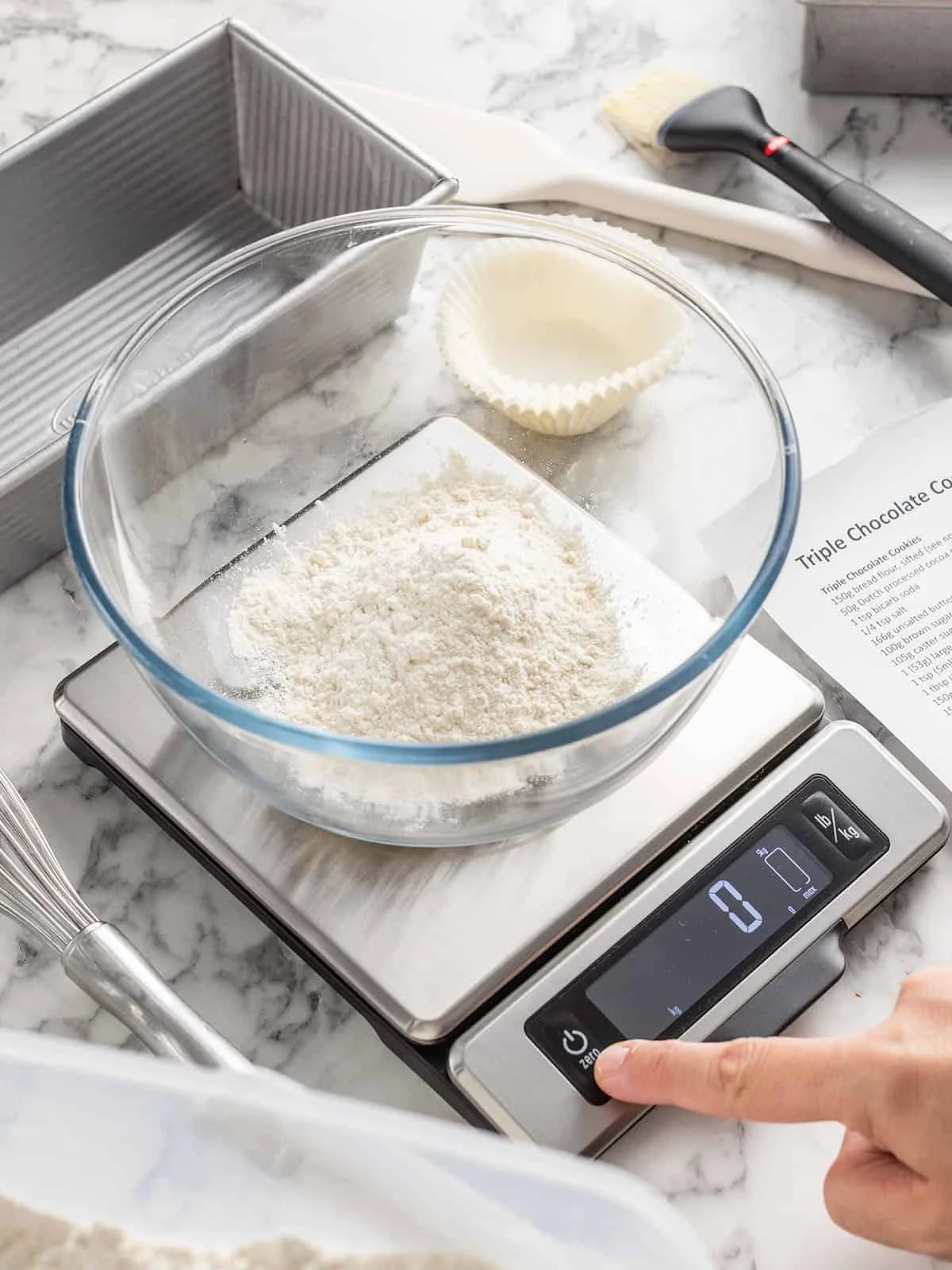
Power on the scale and wait for it to reset to zero. Use the tare function to zero out the weight of any container before adding ingredients. This step is vital to measure only the ingredient weight accurately.
Measuring Ingredients by Weight vs Volume
Weight measurements provide greater precision than volume, especially for ingredients like flour or sugar that can vary in density. Use weight for consistent results, converting units if needed. This is particularly important in baking where measurements impact chemical reactions.
Using the Tare Function Effectively
The tare function subtracts the weight of containers or bowls, allowing direct measurement of ingredients. Place your container on the scale, press the tare button to reset to zero, then add your ingredient. Repeat as needed for multiple ingredients in the same container.
Common Mistakes to Avoid When Using a Digital Kitchen Scale
Incorrect Placement of Ingredients
Placing ingredients unevenly or off the center of the weighing platform can result in inaccurate readings. Ensure items are stable and fully on the scale, avoiding spills that might affect accuracy or damage the device.
Ignoring Scale Capacity Limits
Every scale has a maximum weight limit. Overloading the scale can damage its sensors and lead to faulty measurements. Know your scale’s capacity and measure ingredients in batches if necessary to stay within limits.
Tips for Enhancing Your Cooking and Baking Experience
How Accurate Measurements Improve Recipes
Precise measurements lead to consistent texture, taste, and appearance. This is crucial in baking, where ingredients react chemically. Accurate weighing reduces waste and improves overall cooking efficiency.
Using a Scale for Portion Control and Food Tracking
A kitchen scale doubles as a tool for managing diet by allowing you to precisely measure portion sizes. This supports calorie counting and nutritional tracking, aiding in health and fitness goals.
Advanced Features to Explore
Multi-Unit Conversion
Many scales offer easy switching between grams, ounces, pounds, and milliliters. This flexibility simplifies following international recipes and measuring both solid and liquid ingredients accurately.
Integration with Smart Devices
Some modern scales sync with smartphones via apps, providing nutritional data and recipe management. These features enhance the cooking experience with tracking history and personalized settings.
Conclusion
Recap of Best Practices for Using Digital Kitchen Scales
Using a digital kitchen scale improves recipe accuracy by providing precise measurements. Select a scale with the right features, calibrate regularly, and use the tare function to measure ingredients efficiently. Avoid common mistakes like overloading the scale or improper placement to maintain accuracy. Incorporating a kitchen scale into your routine can enhance cooking consistency and support nutritional goals.