Introduction to Digital Kitchen Scales
Why Precision Matters in Baking
Baking is more science than art, relying heavily on precise ingredient measurements to achieve the perfect texture and taste. Imagine making a cake where the flour is just slightly off — the result might be dense and heavy instead of light and fluffy. Precision ensures your baked goods come out consistently so you can replicate family favorites or impress guests with new creations every time.
Advantages of Using a Digital Scale Over Measuring Cups
Unlike measuring cups, which can vary depending on how ingredients are packed or scooped, digital kitchen scales deliver exact weights down to the gram or ounce. This eliminates guesswork and reduces errors caused by inconsistent measurement techniques. Additionally, digital scales simplify complex recipes, especially when converting from volume to weight, making baking more approachable for beginners and more reliable for experts alike.
Choosing the Right Digital Kitchen Scale
Key Features to Consider
When selecting a digital kitchen scale, certain features can enhance your baking experience. Accuracy is paramount, so look for scales that measure in increments of 1 gram or 0.1 ounces. The tare function, which zeroes the weight of your container, is crucial for measuring multiple ingredients without extra cleanup. A clear, easy-to-read display and a compact size that fits your kitchen space also make daily use more convenient. Some models even offer additional features like nutritional information or Bluetooth connectivity, but for most home bakers, simplicity paired with accuracy is key.
Top Brands and Models for Home Bakers
Popular choices among home bakers include the Ozeri Pronto, known for its precision and affordability, and the Escali Primo, which boasts long battery life and a sturdy design. The GreaterGoods Nourish scale is also favored for its sleek look and user-friendly interface. When Emily, a passionate baker from Ohio, upgraded from measuring cups to an Escali Primo, she noticed an immediate improvement in the consistency of her sourdough bread, confirming the value of investing in a reliable scale.
Preparing Your Kitchen Scale for Use
Calibrating the Scale Accurately
Calibration ensures your scale provides accurate readings every time. Most digital scales come pre-calibrated, but it’s wise to double-check especially if your scale has been moved or bumped. Start by placing the scale on a flat, stable surface. Use a calibration weight if provided, or an object with a known weight, such as a packaged food item with exact grams listed. Following the manufacturer’s instructions, initiate the calibration mode. Regular calibration can prevent frustrating baking mishaps, like adding too much flour or under-measuring butter.
Understanding Units of Measurement: Grams vs Ounces
Different recipes may call for different units, and understanding how to switch between grams and ounces on your scale is essential. Grams offer more precision and are preferred by many professional bakers worldwide, while ounces are often favored in US recipes. Switching units is usually a touch of a button away on most digital scales. For example, when Jasmine attempted a French pastry recipe she found online, she found converting ounces to grams simplified the process and improved her results.
Step-by-Step Process for Weighing Ingredients
Setting the Scale and Taring the Bowl
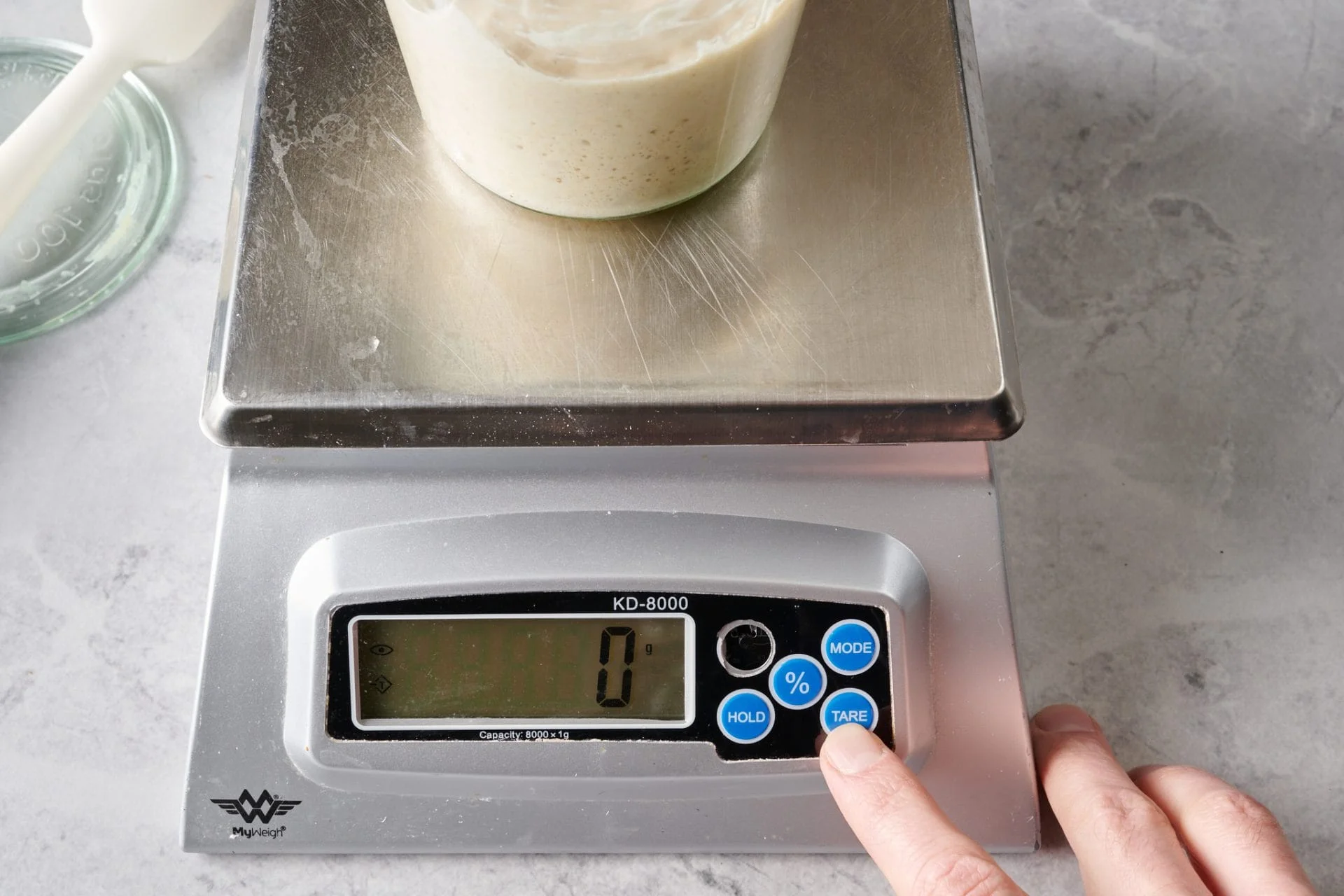
Begin by placing your empty mixing bowl or container on the scale. Press the tare button to reset the display to zero, ensuring only the weight of ingredients is measured. This simple step prevents confusion and prevents you from having to do math later. For instance, while making cookies, chef Lucas always insists on taring because even a few grams of extra chocolate chips can alter the cookie texture.
Measuring Dry Ingredients with Precision
When weighing dry ingredients like flour or sugar, gently spoon them into your bowl rather than scooping directly with your measuring cup or spoon. Scooping can compact the ingredient, leading to inaccurate weights. Gradually add the ingredient until the desired measurement displays on your scale. Avoid shaking or tapping the bowl excessively, as it can cause the contents to settle and give a false reading.
Weighing Liquids on a Digital Scale
One of the advantages of a digital scale is its ability to weigh liquids directly. Place a container on the scale, tare it, and slowly pour the liquid until you reach the specified amount. This method is much cleaner than using measuring cups because you avoid spills and cleanups from transferring. For example, when Marcus makes bread, he weighs water with his scale, ensuring hydration levels are precise, which is critical for dough consistency.
Incorporating Scale Measurements into Your Baking Routine
Adjusting Recipes for Different Batch Sizes
Scaling recipes up or down becomes much simpler with a digital scale. If you want to halve a cake recipe, simply divide each ingredient’s weight by two and measure accordingly. Similarly, doubling a batch involves straightforward multiplication. This avoids the pitfalls of eyeballing measurements and helps you maintain texture and flavor no matter the quantity. Samantha, who often bakes for her large family, values this feature for saving time and reducing food waste.
Tips for Consistency and Reproducible Results
To get consistent results, always use the same type of ingredient (e.g., a particular brand of flour), and store your ingredients properly to avoid moisture affecting their weight. Clean your scale regularly to prevent residue build-up that might skew measurements. Also, develop the habit of tasting and observing changes when adjusting recipes; the scale serves as a tool to refine your technique, not to replace your intuition.
Common Mistakes When Using Digital Kitchen Scales and How to Avoid Them
Overlooking Tare Function
Many beginners forget to use the tare function, leading to inaccurate measurements by counting the weight of containers. This mistake often results in baking failures though it’s easy to fix. Always remember to zero out the scale after placing your bowl or container before adding ingredients. For example, a friend of mine once baked a batch of muffins that turned out dry because she included the bowl weight in her flour measurement by mistake.
Weighing Ingredients in the Wrong Container
Using containers that are unstable or too small can cause spills or incorrect readings. A shallow, stable bowl suited for your scale platform size is ideal. If the bowl is too small, ingredients might fall off or not spread evenly, leading to inaccurate weights. Additionally, avoid containers that could damage the scale or interfere with its sensors.
Conclusion: Mastering the Art of Baking with a Digital Kitchen Scale
Transitioning to a digital kitchen scale can transform your baking from a hit-or-miss experiment to a reliable, enjoyable process. By embracing precision, you gain control over your recipes and the confidence to experiment with new flavors and techniques. Remember that choosing the right scale, preparing it properly, and integrating it into your routine will build a foundation for consistent success. In the end, the scale is not just a tool, but an essential partner in your baking journey.