Understanding the Mandoline Slicer: An Overview
What is a Mandoline Slicer?
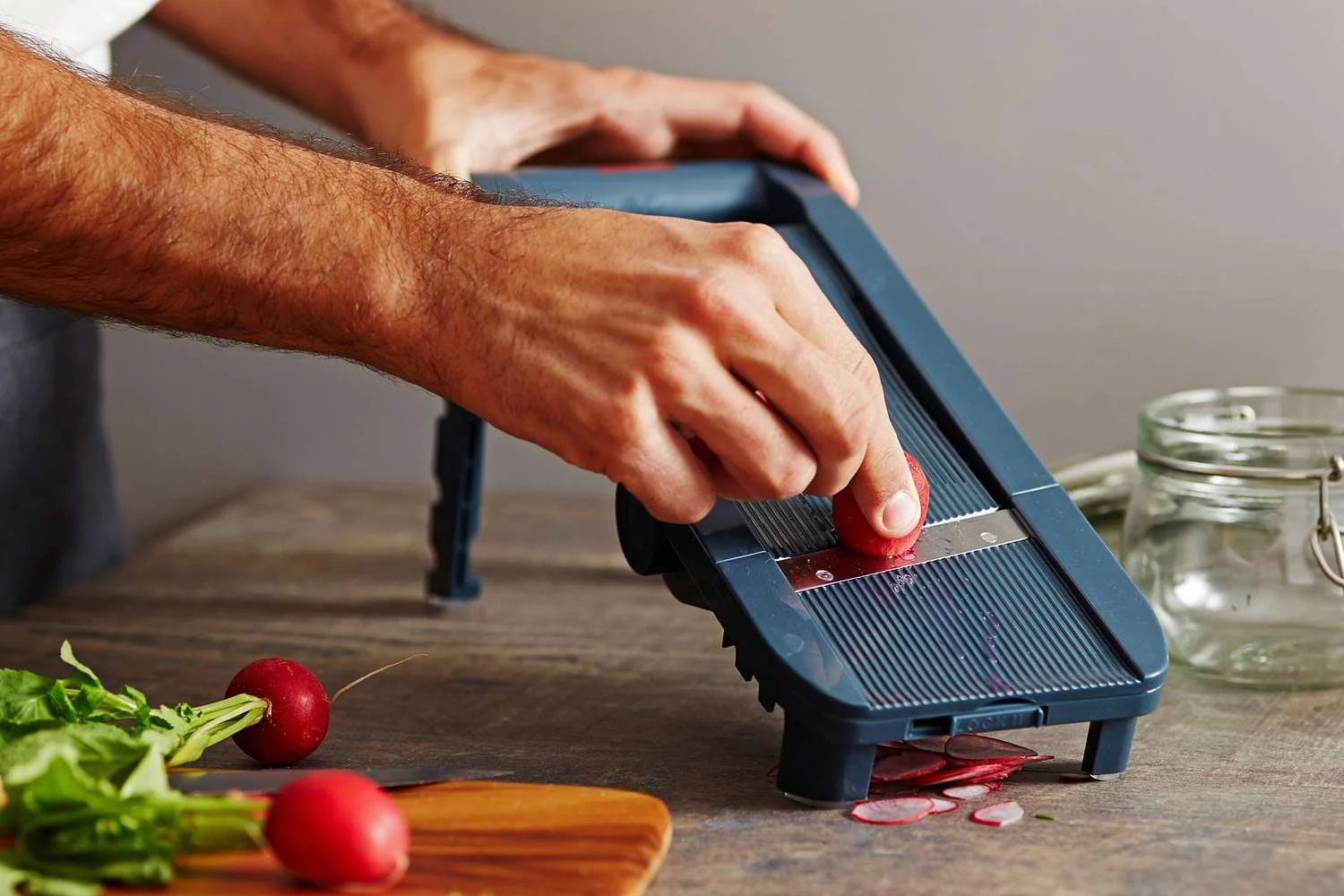
The mandoline slicer is a kitchen tool designed to help you slice fruits and vegetables quickly and uniformly. Its flat surface with adjustable blades allows for various thicknesses, making it a favorite for those who want consistent cuts without the hassle of a knife. While it might look simple, its sharp blades demand respect and careful handling.
Common Uses in the Kitchen
From making paper-thin cucumber slices for salads to evenly cut potatoes for homemade chips, the mandoline slicer is versatile. Chefs often rely on it for julienne cuts, waffle fries, or layered vegetable dishes where precision matters. It’s a time-saver and a great way to achieve professional-looking presentations at home.
Essential Safety Gear and Preparation
Using Cut-Resistant Gloves
One of the most important steps before using a mandoline slicer is protecting your hands. Cut-resistant gloves provide an extra layer of safety, reducing the risk of deep cuts. These gloves are usually made from materials like Kevlar or stainless steel mesh and offer peace of mind, especially when working with slippery vegetables. Skipping this gear is a common mistake that can lead to painful injuries.
Securing Your Workspace for Stability
Before slicing, make sure your mandoline is stable. A wobbly slicer increases the chances of accidents. Place it on a clean, dry surface and use a damp cloth or non-slip mat underneath to keep it steady. Good lighting and a clutter-free area also contribute to safer, more precise slicing.
Step-by-Step Instructions for Safe Mandoline Use
Step 1: Setting Up Your Mandoline
Begin by assembling your mandoline according to the manufacturer’s instructions. Adjust the blade to the desired thickness, and ensure that all components are securely locked in place. Test the slicer gently without food first to confirm it’s stable. Getting this step right sets you up for success and safety in the process.
Step 2: Proper Hand Placement Techniques
Always use the hand guard or food holder that comes with the slicer. If it’s unavailable, your cut-resistant glove becomes crucial here. Grip your vegetable firmly with the holder, keeping your fingers away from the blade. The goal is to let the slicer do the work, not your hands. Maintaining this distance reduces the risk of accidental slips.
Step 3: Slicing with Controlled Pressure
Apply smooth, even pressure as you slide the vegetable back and forth over the blade. Don’t push too hard—letting the sharp blade do most of the cutting will help avoid sudden slips. Slow, deliberate movements offer the best control. If you feel resistance, pause and check the setup before continuing.
Step 4: Managing Difficult Cuts
When you reach the end of a vegetable, the piece becomes small and hard to hold safely. It’s best to stop slicing before the food becomes too tiny. Alternatively, some mandolines come with accessories to handle smaller pieces safely. Avoid forcing the cut, as this is when accidents most often happen.
Maintenance and Storage Tips to Prevent Accidents
Cleaning Your Mandoline Safely
Cleaning right after use is key to keeping your mandoline in good shape and safe for next time. Always handle the blade carefully—use a brush or sponge and avoid running your fingers directly over it. Some parts may be dishwasher safe, but check your model’s guidelines first. Dry all parts thoroughly to prevent rust.
Storing the Blade and Components Securely
When storing your mandoline, keep blades covered or detached and stored separately if possible. Many models include blade guards—use them consistently. Storing components in a dedicated container or drawer away from everyday kitchen tools helps prevent accidental cuts when reaching for something else.
Advanced Tips for Experienced Users
Using Attachments and Accessories
Once you’re comfortable with basic slicing, explore the various attachments mandolines can offer. Julienne blades, waffle cutters, and crinkle blades expand your culinary creativity. Just remember, each accessory comes with its own safety considerations, so continue using gloves and guards to maintain control.
Creative Cutting Techniques Without Risk
Experimenting with thin layers, decorative cuts, or stacking slices for dishes can elevate your cooking visually and texturally. Control remains the priority—taking time to master each new technique reduces hazards. Using steady hands and proper equipment will allow you to enjoy the artistic sides of mandoline slicing without worrying about injuries.