Understanding Dry Skin and the Role of Hydrating Ingredients
What Causes Dry Skin?
Dry skin results from a lack of moisture in the outermost layer, the epidermis. This can stem from environmental factors like cold weather or low humidity, aging, genetics, or harsh skincare products that strip natural oils. When the skin barrier weakens, moisture escapes more easily, leading to flakiness, tightness, and discomfort.
Why Hydration is Essential in Skincare
Hydration helps restore the skin’s natural barrier, improving elasticity and texture. Dry skin can accelerate wrinkles and sensitivity, so maintaining moisture is key to healthy, resilient skin. Proper hydration reduces irritation and supports the healing process, making skincare more effective overall.
Key Hydrating Ingredients to Look For
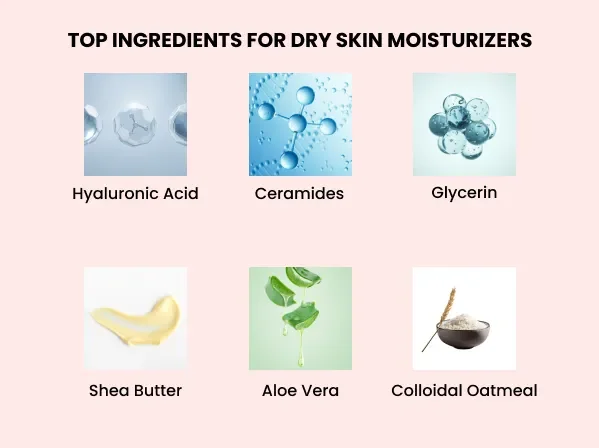
Effective dry skin lotions typically contain ingredients that attract water to the skin and lock it in. Look for humectants like glycerin and hyaluronic acid, emollients such as squalane and ceramides, and occlusives like petrolatum or dimethicone. These components work together to hydrate, smooth, and protect the skin.
How to Select the Right Hydrating Ingredients for Your Lotion
Common Hydrating Agents: Humectants, Emollients, and Occlusives
Humectants draw moisture into the skin, emollients soften by filling cracks, and occlusives form a protective barrier to prevent water loss. A balanced lotion will combine these types to address dryness from different angles, ensuring both immediate and lasting hydration.
Natural vs. Synthetic Hydrators
Natural hydrators, like aloe vera and honey, offer gentle moisturizing benefits and can soothe sensitive skin. Synthetic alternatives such as hyaluronic acid are engineered for stability and high efficiency. Choosing between them depends on your skin’s tolerance and personal preferences, but many products blend both for optimal results.
Ingredient Compatibility and Skin Sensitivity
Some hydrating ingredients may irritate sensitive skin or cause breakouts if not compatible. For example, heavy occlusives might feel greasy or clog pores on combination skin. Patch testing and consulting ingredient lists can help avoid reactions. Understanding your skin type improves ingredient selection and the overall effectiveness of the lotion.
Step 1: Preparing Your Skin Before Application
Importance of Cleansing and Exfoliating
Starting with clean skin removes dirt and oils that can block hydration. Gentle cleansing helps maintain the skin’s pH balance, while mild exfoliation removes dead cells, allowing moisturizers to penetrate better. Avoid harsh scrubs that can worsen dryness or cause irritation.
Ideal Skin Conditions to Maximize Hydration
Apply lotion when skin is slightly damp to trap moisture effectively. This boosts absorption and prevents water from evaporating. Also, avoid overly hot water during cleansing, as it can strip oils and impede hydration.
Step 2: Applying Hydrating Dry Skin Lotions Effectively
Proper Amount and Frequency of Application
Use a moderate amount of lotion—not too little to be ineffective, nor too much to risk greasiness. For most, twice daily application—morning and night—is sufficient. Consistency is crucial to maintain hydration levels and support skin repair.
Techniques for Better Absorption and Lasting Moisture
Apply the lotion using gentle upward strokes to stimulate circulation. Patting motions can enhance absorption without irritating the skin. Follow up with a light massage to evenly distribute product and promote deeper moisturization.
Advanced Tips for Enhancing Hydration in Your Skincare Routine
Layering Hydrating Products
Combining hydrating serums under your lotion can significantly boost moisture. Begin with lightweight layers, starting with water-based hydrators and finishing with occlusives to seal everything in. This layering approach creates a hydration powerhouse that addresses dryness effectively.
Using Hydrating Ingredients in Combination with Sunscreens and Serums
Integrating hydration with sun protection is essential since UV rays dry skin further. Choose sunscreens formulated with moisturizing ingredients to prevent dryness throughout the day. Applying hydrating serums before sunscreen ensures balanced moisture and protection without clogging pores.
Potential Pitfalls and How to Avoid Them
Overhydration Risks and Signs
Too much hydration can disrupt the skin barrier, causing puffiness or a sticky feel. Signs include increased sensitivity or a shiny, greasy appearance. To prevent this, tailor hydration levels to your skin’s needs and observe how it responds over time.
Common Ingredient Allergies and Irritations
Some ingredients, like fragrances or preservatives, can trigger allergies or irritations even in hydrating formulations. Be cautious with new products and perform patch tests. Choosing fragrance-free options and those designed for sensitive skin reduces potential reactions.
Conclusion: Building a Hydrating Lotion Routine Tailored to Dry Skin
Combating dry skin requires understanding its causes and selecting the right hydrating ingredients. Proper preparation and application techniques optimize moisture retention and skin comfort. By avoiding common mistakes and incorporating layering strategies, you create an effective, personalized routine that restores and maintains healthy hydration.