Understanding the Basics of Roasting Vegetables
The Science Behind Crispiness in Roasting
Achieving perfectly crispy roasted vegetables begins with understanding what causes crispiness. When vegetables are exposed to dry heat in an oven, moisture evaporates from their surface, allowing the exterior to caramelize and form a crispy crust. This process, known as the Maillard reaction, is essential for developing rich flavors and that satisfying crunch. However, if moisture remains trapped or the temperature is too low, vegetables turn soft rather than crispy. Conversely, excessively high heat causes burning before crispiness can develop. Mastering the balance of heat and moisture is key.
Common Mistakes That Lead to Burning
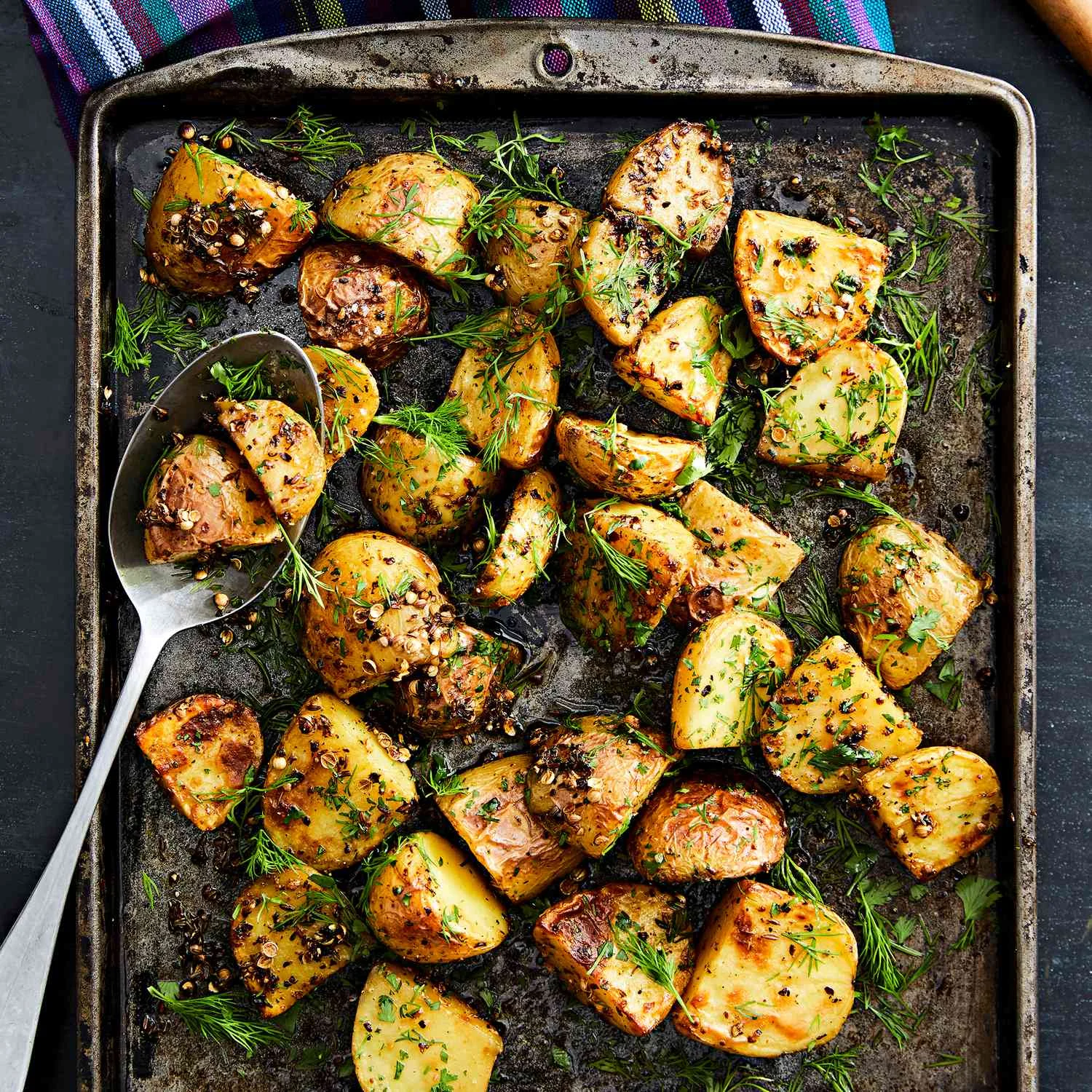
Burning vegetables is a frequent frustration, often resulting from a few common errors. Using too high a temperature or placing vegetables too close to the heating element increases the risk of scorching. Another pitfall is overcrowding the pan, which traps steam and prevents proper browning. Applying too much oil, especially one with a low smoke point, can cause smoking and burning. Recognizing these causes helps you adjust your technique to avoid blackened instead of golden-brown vegetables.
Choosing the Right Vegetables and Preparation Techniques
Vegetables That Roast Best for Crispy Results
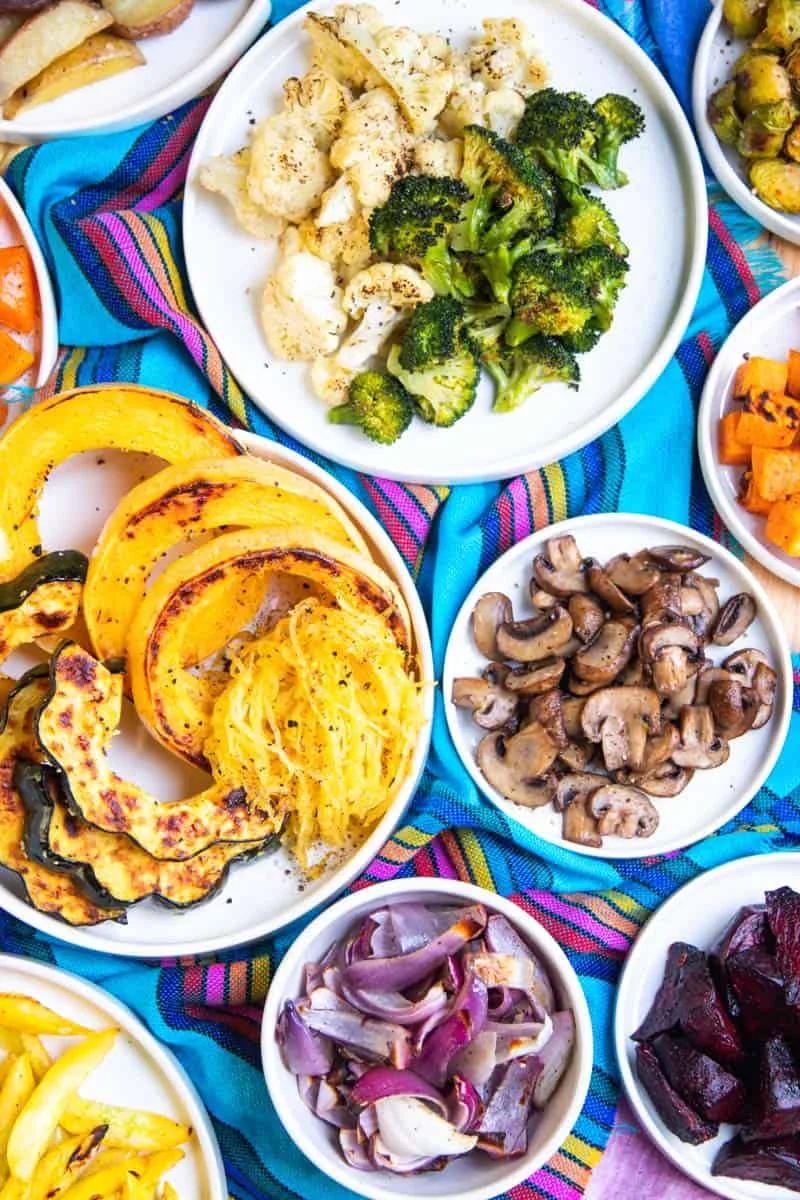
Not all vegetables respond equally to roasting, particularly when aiming for crispiness. Root vegetables like carrots, parsnips, and potatoes boast dense, starchy interiors that crisp nicely on the outside. Brussels sprouts and cauliflower also develop excellent texture due to their structure. High-water-content vegetables such as zucchini or mushrooms can become soggy unless prepared carefully, often benefiting from shorter roast times or higher heat. Selecting vegetables suited for roasting lays the foundation for crispy success.
Chopping Sizes & Shapes: Why It Matters
The size and shape of vegetable pieces dramatically affect how evenly they cook and crisp up. Larger chunks take longer to cook and may burn on the exterior before the inside softens, while very small pieces risk drying out too quickly. Uniform cutting ensures even heat exposure, preventing some pieces from burning while others remain undercooked. Consider the vegetable’s natural cooking time; for example, slice carrots thinner than potatoes to achieve uniform texture. Thoughtful preparation promotes consistent and crispy results.
Essential Tools and Ingredients for Perfect Roasted Vegetables
Best Oils and Seasonings for Crispy Texture
The choice of oil influences both crispiness and flavor. Oils with high smoke points, such as avocado oil, refined olive oil, or grapeseed oil, withstand roasting temperatures better and reduce burning risk. Applying an adequate but not excessive amount helps create a light crisp coating without sogginess. Seasonings also play a role; salt draws out moisture aiding in crispiness, while herbs and spices add depth. However, delicate herbs should be added after roasting to avoid burning.
Oven Settings and Equipment Considerations
The oven’s temperature and equipment used affect roasting results significantly. Convection ovens promote airflow, accelerating moisture evaporation and enhancing crispiness. Without convection, adjusting temperatures and rotating pans becomes more critical. Choosing a heavy-duty rimmed baking sheet allows heat to distribute evenly and prevents burning hotspots. Avoid using dark or non-stick pans for roasting, as they absorb more heat and can cause uneven burning.
Step-by-Step Recipe: Achieving Crispy Roasted Vegetables
Prepping Vegetables for Even Cooking
Start by washing and thoroughly drying your vegetables to minimize surface moisture. Then, cut them into uniform pieces tailored to their density and cooking time. Parboiling denser vegetables like potatoes briefly before roasting can speed up cooking and reduce burning risk. Spread the pieces out in a single layer on your baking sheet to allow hot air circulation around each piece, which is essential for even crispiness.
Proper Oil Coating and Seasoning Techniques
Toss the vegetables in just enough high-smoke-point oil to lightly coat their surface, ensuring no pooling occurs. Over-oiling can prevent crispiness and promote sogginess. Season with salt and your preferred spices evenly, mixing thoroughly for consistent flavor. Adding freshly ground pepper or garlic powder enhances taste without increasing moisture. This balance sets the stage for golden, crunchy vegetables.
Optimal Roasting Temperature and Timing
Set your oven between 400°F and 425°F (200°C to 220°C) to encourage both thorough cooking and browning. Lower temperatures lengthen cooking time and may hinder crispiness, whereas very high heat risks burning. Roast vegetables for 20 to 40 minutes depending on size and type, checking periodically. Timing adjustments are necessary for different ovens and equipment, so use visual cues—deep golden edges and firm texture guide you better than a strict timer.
Mid-Roast Tips: Flipping and Monitoring
Halfway through roasting, carefully flip or toss the vegetables to promote even browning on all sides. This step prevents any pieces from overcooking on one face. Be vigilant for signs of burning and adjust oven racks or temporarily reduce heat if necessary. Avoid opening the oven door excessively as it lowers temperature, but periodic monitoring helps you intervene before any piece turns black.
Enhancing Flavor and Texture Post-Roast
Finishing Touches for Extra Crispness
Once out of the oven, letting vegetables rest briefly on a cooling rack removes residual steam that could soften them. Sprinkling a little flaky sea salt or drizzling a touch of acid like lemon juice brightens flavors and accentuates crisp textures. For an added crunch, sprinkle toasted nuts or seeds just before serving. These finishing touches enhance enjoyment without compromising the crisp result.
Serving Suggestions and Pairings
Crispy roasted vegetables pair well with a variety of main courses—from roasted meats and fish to grain bowls and salads. Their bold texture contrasts nicely with softer components, creating a balanced meal. Incorporating them into wraps, sandwiches, or as a side for dips and sauces provides versatility. Keeping freshness and texture in mind when serving ensures your crispy creations shine on any plate.