Understanding the Basics of Fluffy Rice
What Makes Rice Fluffy?
Fluffy rice has a light, airy texture where each grain remains distinct rather than clumping together. Achieving this texture involves the right balance of moisture and cooking technique. The goal is to cook the rice just enough for it to be tender but not so much that the grains become mushy or sticky. The starch content in rice plays a considerable role here—higher starch levels tend to make rice stickier, while medium to low starch varieties typically produce fluffier results.
Common Mistakes to Avoid When Cooking Rice
One of the most frequent errors is adding too much water, which leads to mushy rice. Another common mistake is stirring the rice too often while it’s cooking, as this releases starches and makes the grains clump together. Skipping the rest period after cooking is also detrimental, because letting the rice sit allows steam to finish cooking the grains evenly. Avoiding these pitfalls can set you well on the path to perfectly fluffy rice without relying on a rice cooker.
Choosing the Right Rice for Fluffiness
Types of Rice That Yield the Best Texture
Not all rice types behave the same way when cooked. Long-grain rice varieties, such as basmati and jasmine, are excellent options for fluffy rice. Their grains have less surface starch and naturally separate better during cooking. Medium-grain rice can also work but tends to be a bit stickier. Short-grain rice, common in sushi dishes, generally produces a stickier texture and is less ideal if fluffiness is your priority.
How Rice Quality Affects Final Results
The freshness and quality of the rice can have a surprising impact on texture. Older rice may dry out and require more water, potentially making the rice denser. Conversely, freshly harvested rice tends to cook more evenly and stay fluffier. Choosing rice from reputable sources ensures fewer broken grains, which can otherwise create a sticky texture. Paying attention to the quality means you start with a better foundation, which simplifies the cooking process.
Essential Preparation Steps Before Cooking
Washing and Soaking Techniques
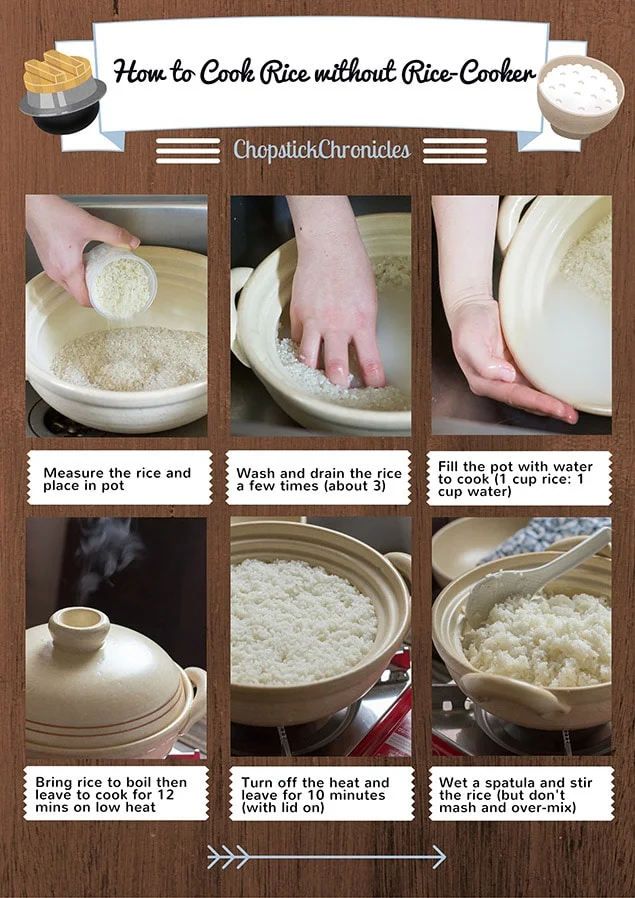
Rinsing rice thoroughly under cold water removes excess surface starch, which is key to preventing stickiness. You’ll notice the water turning cloudy at first, and it’s best to rinse several times until the water runs clear. Soaking the rice for 20 to 30 minutes before cooking can also soften the grains and reduce cooking time. This step is particularly helpful when using harder varieties like basmati, as it helps achieve a more even texture.
Measuring Water-to-Rice Ratios Accurately
Getting the water-to-rice ratio right is crucial. Typically, a 1:1.5 ratio (one cup of rice to one and a half cups of water) works well for white long-grain rice. However, this can vary depending on the rice type and altitude. Too much water leads to mushiness, too little results in undercooked grains. Using a precise measuring cup for both rice and water ensures consistency and better results every time.
Stovetop Methods for Perfectly Fluffy Rice
Absorption Method: Step-by-Step

This classic method involves letting rice absorb all the water during cooking. Start by bringing the measured water to a boil in a heavy pot, then add the rinsed rice with a pinch of salt. Reduce the heat to low, cover tightly with a lid, and let it simmer gently. It’s important to resist lifting the lid during this time because steam traps moisture and cooks the rice evenly. After about 15-20 minutes, turn off the heat but keep the lid on for a further 10 minutes to allow residual steam to finish the process.
Boiling and Draining Approach
Similar to cooking pasta, this method involves boiling rice in a large volume of water and then draining it once cooked. This technique reduces the risk of overcooking since you monitor the rice’s texture during boiling. After draining, let the rice sit covered briefly to firm up. This method can help those who struggle with exact water measurements and still want fluffy results.
Using a Heavy-Bottomed Pot for Even Heat
A heavy-bottomed pot distributes heat more evenly, preventing hot spots that can cause rice to burn or cook unevenly. This is especially important when cooking on stovetops that may have inconsistent heat. The use of a tight-fitting lid helps trap steam and ensures the rice cooks uniformly. Investing in a good-quality pot can noticeably improve your rice cooking experience.
Alternative Cooking Techniques Without a Rice Cooker
Microwave Method for Quick Fluffy Rice
Microwaving rice is a convenient option when time is short. After rinsing and soaking, place rice and water in a microwave-safe bowl—usually a 1:2 ratio of rice to water works well here. Cover the bowl loosely with a microwave-safe lid or plastic wrap to trap steam. Microwave on high for about 10 minutes, then let it rest inside the microwave for an additional 5 minutes before fluffing. This method yields surprisingly good results with minimal fuss.
Steaming Rice Using a Pot and Steamer Basket
Steaming rice traditionally involves rinsed and soaked rice placed in a cheesecloth-lined steamer basket above boiling water. The indirect heat from steam gently cooks the grains without direct contact with water, preserving their shape and texture. This method takes longer but can produce very fluffy and fragrant rice. It’s a great option if you want to keep the grains light and separate without worrying about precise water ratios.
Tips and Tricks to Enhance Rice Fluffiness
Resting Time and Fluffing Techniques
Once the rice is cooked, letting it rest for 10 minutes with the lid on allows moisture to distribute evenly throughout the grains. After resting, use a fork or a rice paddle to gently fluff the rice instead of stirring vigorously. This breaks up clumps without crushing the grains, helping maintain that airy texture.
Adding Natural Flavor Enhancers
To elevate the flavor and aroma of your fluffy rice, consider cooking it with a bay leaf, a cinnamon stick, or a few cardamom pods. Adding a bit of butter or a small splash of broth instead of water can also add a subtle richness. These simple touches make the rice more enticing without complicating the cooking process.