Understanding Niacinamide and Its Role in Skincare
What is Niacinamide?
Niacinamide, also known as vitamin B3 or nicotinamide, is a water-soluble vitamin that plays an essential role in cellular metabolism. In skincare, it has gained popularity for its ability to address a range of skin concerns, including uneven tone, dryness, and sensitivity. Unlike some active ingredients, niacinamide is well-tolerated by many skin types, making it a versatile addition to sensitive skin products.
How Niacinamide Works on the Skin
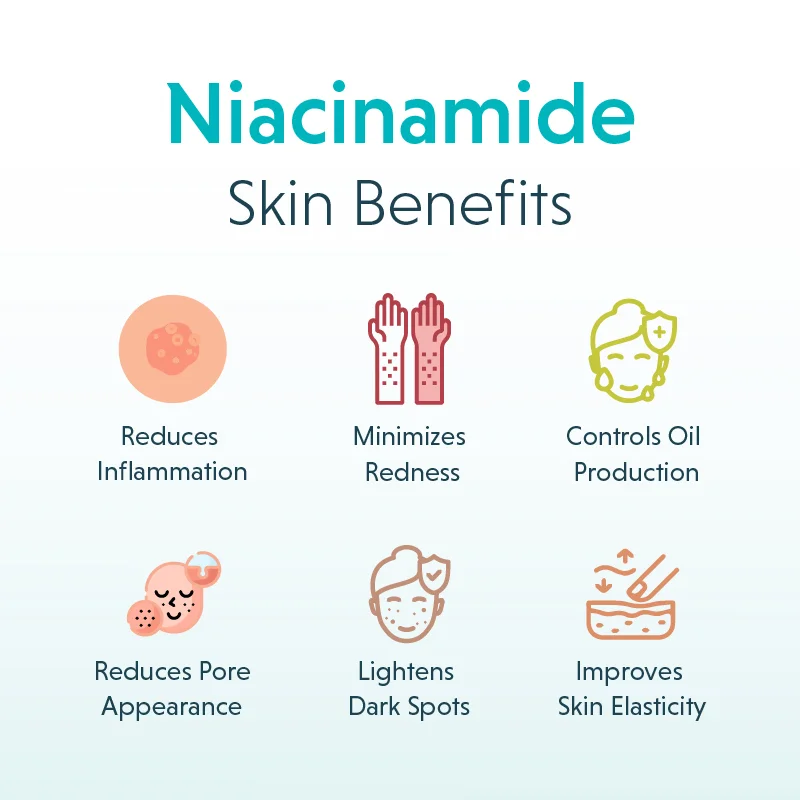
Once applied, niacinamide penetrates the skin’s surface and supports various cellular processes. It helps to stimulate the production of ceramides, which are lipids that maintain the skin’s protective barrier. Additionally, it reduces inflammation, limits moisture loss, and balances sebum production. These combined effects contribute to healthier, more resilient skin over time, which is particularly beneficial for those with sensitivity issues.
Why Sensitive Skin Responds Well to Niacinamide
The Soothing Properties of Niacinamide
Sensitive skin often reacts negatively to harsh ingredients, leading to redness and discomfort. Niacinamide stands out because it has natural soothing qualities that help calm irritation. By reducing inflammatory responses, it helps sensitive skin feel less reactive and more comfortable, even when exposed to environmental stressors.
Strengthening the Skin Barrier
A compromised skin barrier is a common challenge for sensitive skin types, making them more vulnerable to external irritants. Niacinamide supports the production of essential lipids that fortify this barrier, reducing transepidermal water loss and enhancing skin resilience. Over time, this improved barrier function means sensitive skin can maintain balance and fend off potential triggers more effectively.
Reduction of Redness and Irritation
Redness and irritation are hallmark symptoms of sensitive skin. Niacinamide’s anti-inflammatory properties work directly to diminish these symptoms by modulating the skin’s inflammatory pathways. Users often observe a visible reduction in blotchiness and flare-ups, contributing to a calmer, more even complexion.
Top Benefits of Niacinamide in Sensitive Skin Products
Improvement in Skin Texture and Tone
Niacinamide encourages the production of proteins that contribute to skin repair and renewal. This leads to smoother texture and a more uniform skin tone. Sensitive skin that may appear uneven or rough can benefit from consistent use, achieving a more radiant and refined appearance.
Enhanced Hydration and Moisture Retention
One key benefit of niacinamide is its ability to enhance the skin’s natural moisture barrier, allowing it to retain hydration more effectively. This is crucial for sensitive skin, which often struggles with dryness and moisture loss. Products containing niacinamide help maintain supple, plump skin by reducing water evaporation and promoting long-lasting hydration.
Anti-Inflammatory Effects and Acne Control
Though sensitive skin may not always be acne-prone, some individuals struggle with both sensitivity and breakouts. Niacinamide’s anti-inflammatory effects help calm acne-related redness and support clearer skin. Additionally, it regulates sebum production, preventing excess oiliness that can trigger blemishes, making it a valuable ingredient for those managing these dual concerns.
Choosing the Right Niacinamide Products for Sensitive Skin
Concentration Levels Ideal for Sensitive Skin
When selecting niacinamide products, concentration matters. For sensitive skin, lower concentrations—typically between 2% and 5%—are recommended to minimize any potential irritation while still providing effective benefits. Starting with a moderate concentration allows the skin to acclimate gradually to the ingredient, reducing the risk of adverse reactions.
Combining Niacinamide with Other Gentle Ingredients
Niacinamide works best when formulated alongside other soothing and hydrating ingredients such as hyaluronic acid, ceramides, and panthenol. Avoid pairing it with harsh actives like high-strength acids or retinoids initially, as these combinations can increase sensitivity. A balanced formulation ensures niacinamide can deliver its full benefits without compromising skin tolerance.
Real-Life Success Stories: Niacinamide and Sensitive Skin
User Testimonials and Before-After Results
Many individuals with sensitive skin have shared positive experiences after incorporating niacinamide into their routines. Reports often highlight noticeable reductions in redness, improved skin texture, and enhanced comfort. Before-and-after photos typically show a decrease in blotchiness and a more balanced complexion. These testimonials reinforce niacinamide’s reputation as a gentle yet effective ingredient for sensitive skin care.