Understanding Onion Texture: Why Soften Onions?
The Role of Onions in Soups and Sauces
Onions are often the unsung heroes in many recipes, especially soups and sauces. They bring a subtle sweetness and depth that can transform a simple dish into something rich and flavorful. However, the way onions are cooked greatly influences their contribution. Raw onions have a sharp, pungent taste that can overpower delicate flavors. Softening them helps mellow this intensity and allows their natural sweetness to shine through.
How Onion Texture Impacts Flavor and Consistency
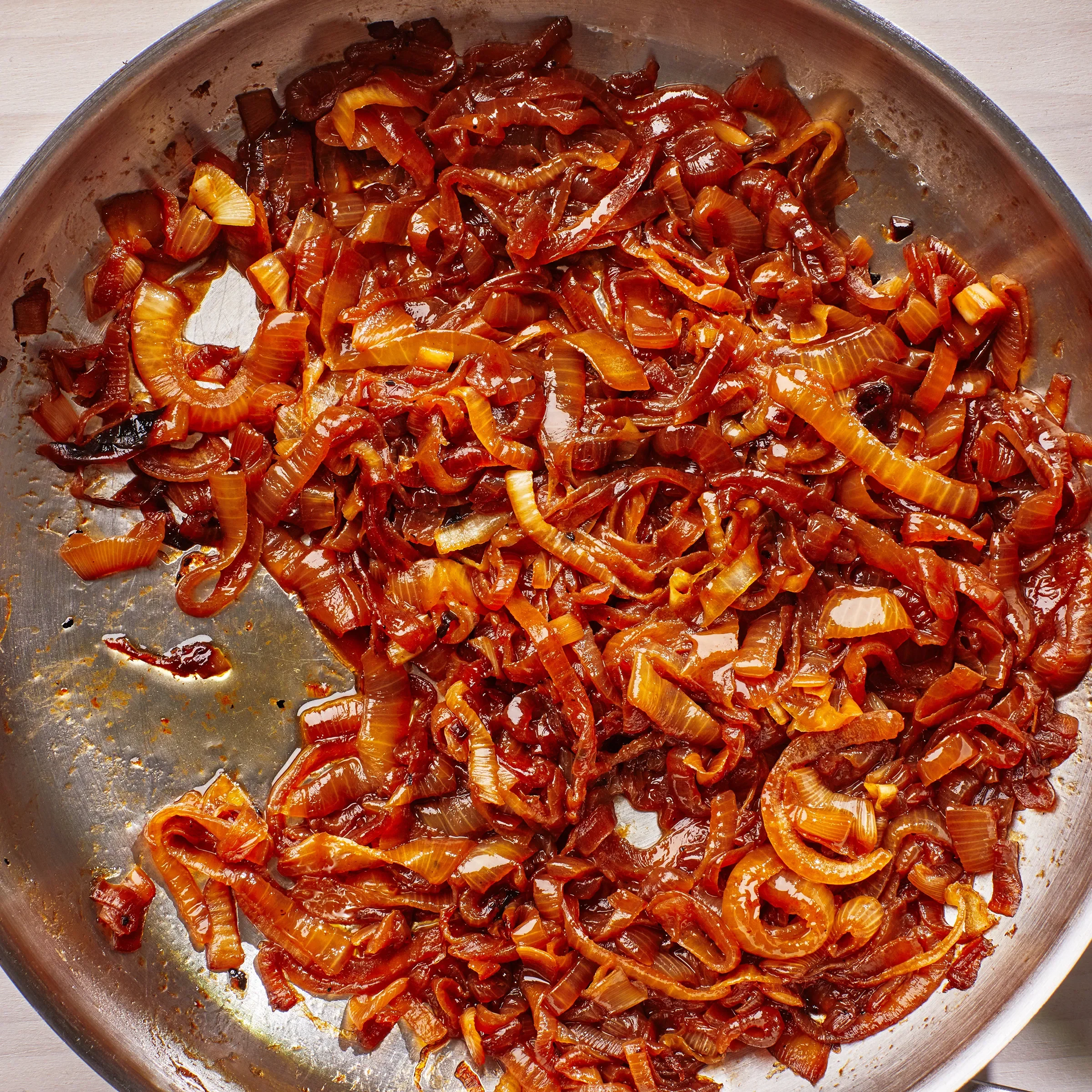
The texture of onions affects not just the taste but also the mouthfeel of your dish. When onions are softened properly, they integrate seamlessly, adding body without any crunchiness or harshness. In soups and sauces, this smooth consistency is crucial. Hard or undercooked onions can create an unwanted fibrous texture that distracts from the overall harmony of the dish.
Fast Techniques to Soften Onions
Sautéing on Medium Heat
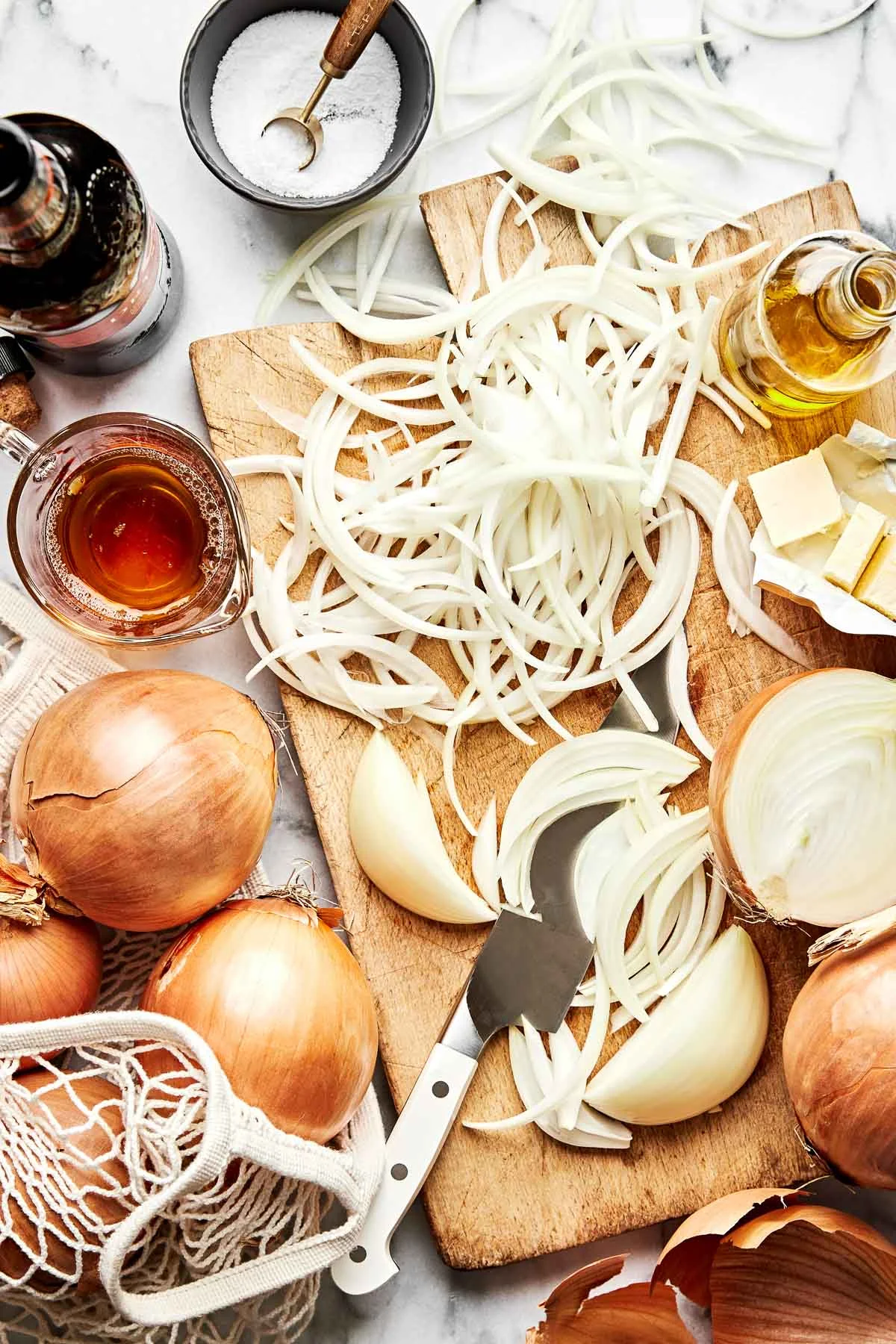
Sautéing onions over medium heat is one of the most effective and straightforward methods to soften them quickly. This technique gently cooks the onions so they lose their sharp edge and start to release their natural sugars. Make sure to stir occasionally to prevent sticking and uneven cooking. The process usually takes about 5 to 7 minutes, depending on the thickness of your slices. This method also allows you to build a caramelized flavor layer that enhances your soup or sauce.
Microwave Method: Speed Without Compromise
For those pressed for time, microwaving onions can be a real game-changer. Chop the onions and place them in a microwave-safe bowl with a splash of water or broth. Cover the bowl loosely and microwave on high for 2 to 3 minutes, stirring halfway through. This technique softens onions rapidly without sacrificing much flavor, making it great for last-minute cooking. However, be careful not to overcook as microwaving can easily dry out the onions if left too long.
Blanching Onions Before Cooking
Blanching is another quick method where diced onions are briefly boiled in water for about a minute or two, then drained. This softens the onions slightly and reduces some of their pungency. After blanching, you can easily add them to your soup base or sauce. It’s a useful step when you want softer onions but still desire to finish cooking them in your main dish for added flavor development.
Alternative Approaches to Enhance Onion Softness
Using Acidic Ingredients to Tenderize Onions
Acidic agents like lemon juice or vinegar are known to tenderize onions effectively. Adding a small amount of acid while cooking or marinating onions before cooking can break down their fibers, making them softer faster. This technique is handy for recipes that include raw or lightly cooked onions but need them to be gentler on the palate. Just remember that acids can also alter the overall flavor profile, so use them thoughtfully.
Pre-soaking Onions in Water or Broth
Soaking onions in cold water or broth for about 10 to 15 minutes can soften their texture and reduce any excessive sharpness. This is a simple step that can be done ahead of time. For soups or sauces, using broth as a soaking medium can add an extra layer of savory flavor right from the start. It’s a gentle way to begin the softening process before moving on to cooking.
Optimizing Your Cooking Process for Best Results
Choosing the Right Onion Variety
Not all onions soften equally. Sweet onions, like Vidalia or Walla Walla, naturally have higher sugar content and become tender more effortlessly. Yellow onions are versatile but may require a slightly longer cooking time to break down. Red onions, while flavorful, tend to retain firmness unless cooked longer or softened by additional methods. Picking the right variety based on the dish and desired texture can save time in the kitchen.
Cutting Techniques and Their Effect on Softening
How you cut your onions influences the speed and evenness of softening. Thin slices or finely chopped onions cook faster and soften more uniformly compared to larger chunks. Conversely, larger pieces offer more texture and bite, which might be preferred in certain recipes. Experimenting with cutting styles helps you control how much softness or crunch you want in your final dish.
Combining Soften Methods with Flavor Development
Softening onions isn’t just about texture but also about building layers of flavor. Starting with a gentle sauté, then adding a splash of acid or a brief blanch can create complex taste profiles. Some cooks like to finish softening onions by simmering them slowly in the soup or sauce, allowing flavors to meld beautifully. Being mindful of these combinations ensures your onions contribute both softness and richness.
Common Mistakes to Avoid When Softening Onions
Overcrowding the Pan
One common mistake is overcrowding the pan, which traps moisture and leads to steaming rather than sautéing. This prevents onions from softening properly and developing that coveted caramelized flavor. Giving the onions enough space allows heat to circulate evenly, making the softening process more effective and tasty.
Too High Heat Leading to Burning
Turning up the heat to rush the process often backfires. Onions exposed to high heat burn quickly, creating bitterness and ruining the delicate sweetness they offer. Cooking them gently over medium or medium-low heat gives enough time for the sugars to break down and the texture to become tender without any charred notes.
Summary: Quick and Effective Onion Softening Tips for Home Cooks
Softening onions quickly is all about balancing speed with flavor. Medium heat sautéing remains the gold standard for flavor-rich dishes, but microwaving and blanching provide excellent shortcuts when time is tight. Using acid or soaking can enhance softness further while picking the right onion variety and cutting techniques makes a noticeable difference. Avoid overcrowding and high heat to keep your onions sweet and tender. With these approaches, your soups and sauces will benefit from perfectly softened onions every time.