Introduction to Natural Preservation in Skincare
Why Preservation Is Crucial for Homemade Products
Imagine spending hours crafting a soothing lavender body butter in your kitchen, only to find it developing an unpleasant smell or mold after a few weeks. This scenario underscores the importance of preservation in homemade skincare. Unlike commercial products, which undergo rigorous testing and incorporate synthetic preservatives, homemade formulations lack these safeguards. Without effective preservation, you risk not only wasting your ingredients but also exposing your skin to harmful bacteria and fungi.
Common Risks Without Preservatives
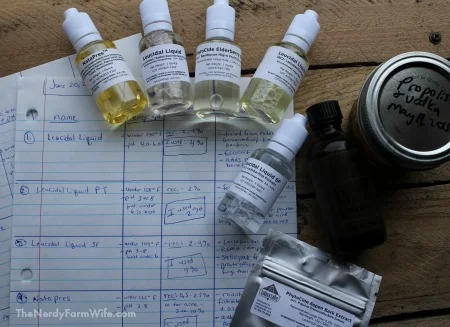
When you skip preservatives in skincare products, you open the door to contamination from airborne microbes and moisture. This can cause the product to degrade, leading to changes in texture, color, and scent. Using spoiled products may result in skin irritation, infections, or allergic reactions. For instance, a homemade face cream that contains water but no preservative can quickly become a breeding ground for mold, even if it appears harmless at first glance.
Top Natural Preservatives Explained
Antimicrobial Properties of Essential Oils
Essential oils like tea tree, rosemary, and lavender have natural antimicrobial qualities, making them popular choices in DIY skincare preservation. For example, tea tree oil’s ability to inhibit bacteria and fungi is well-documented, which is why it’s often added to homemade acne treatments. However, their effectiveness depends on concentration and the formulation’s pH, so they should be used thoughtfully rather than as catch-all preservatives.
Natural Antioxidants and Their Benefits
Antioxidants like vitamin E, rosemary extract, and green tea extract protect oils in your products from oxidation, which leads to rancidity. Consider a DIY facial oil blend without vitamin E; over time, the oils may turn foul, causing skin irritation if applied. By integrating natural antioxidants, you extend both the product’s effectiveness and shelf life while promoting skin health through their nourishing properties.
Botanical Extracts as Preservation Agents
Certain botanical extracts, such as grapefruit seed extract and neem oil, also serve preservation roles by combating microbial growth. For example, neem oil has been traditionally used in skin preparations to inhibit bacteria and fungi, lending both therapeutic and preservative benefits. While these extracts can enhance product longevity, their potency varies, so they often work best when combined with other natural preservatives.
How to Choose the Right Natural Preservative
Factors Influencing Preservative Selection
Choosing a natural preservative depends heavily on the type of product you’re making. For instance, water-based formulations like lotions require stronger antimicrobial protection compared to anhydrous balms. Consider the product’s intended shelf life, storage conditions, and whether it will be exposed to contaminants frequently. These factors guide which preservative or combination fits best.
Compatibility with Skincare Ingredients
Not all preservatives mix well with every ingredient. Some essential oils might alter the fragrance or react with other components, affecting the product’s stability. For example, citrus-based extracts can increase photosensitivity, making them less ideal for daytime products. Testing small batches for ingredient compatibility can prevent unpleasant surprises and ensure the product remains safe and effective.
Skin Sensitivity and Allergen Considerations
While natural preservatives are generally milder, they are not completely free of allergenic potential. Essential oils, in particular, can trigger reactions in sensitive individuals. If you’re formulating for clients or loved ones with delicate skin, patch-testing the preservative or opting for hypoallergenic options is vital. This attentiveness preserves not only the product but the user’s well-being as well.
DIY Formulation Tips for Effective Preservation
Proper Usage Rates for Natural Preservatives
Applying the right amount of preservative is crucial. Too little won’t protect the product adequately, and too much can irritate the skin. For example, rosemary extract is typically used around 0.1-0.5% of the total formula, while essential oils usually stay under 1%. Measuring precisely during your DIY process ensures both safety and efficacy.
Techniques for Extending Shelf Life Naturally
Using airtight containers, minimizing water content, and incorporating humectants like glycerin help naturally prolong your skincare’s shelf life. For instance, a homemade sugar scrub stored in a sealed jar with a small amount of antimicrobial essential oil can last longer compared to one left open to the air. Refrigeration can also slow microbial growth, especially for products without synthetic preservatives.
Packaging Choices that Support Preservation
Packaging plays an unsung but critical role in preservation. Opaque, air-tight containers limit light and oxygen exposure, which degrade natural ingredients. Pump bottles and tubes minimize contamination by preventing repeated exposure to air and fingers, thus reducing microbial introduction. Selecting packaging that complements your formula can be the difference between a two-week and a two-month shelf life.
Testing and Monitoring Product Stability
Simple Home Tests to Detect Spoilage
Regularly inspecting your homemade skincare products for changes is an easy way to ensure safety. Look for shifts in smell, color, or texture—such as separation or cloudiness—that indicate spoilage. A simple skin patch test can check for irritation before full application. These steps help catch issues early, avoiding potential skin problems or product waste.
When to Discard Homemade Skincare Products
Knowing when to throw away your handmade concoctions protects your skin health. If you notice any mold, off-putting odors, or irritation after use, it’s time to let go. Unlike commercial items with clear expiration dates, homemade products require a more vigilant approach. Setting reminders based on typical shelf lives—often 1 to 3 months for natural products—can keep your skincare safe and fresh.
Conclusion: Balancing Safety and Natural Beauty
Creating homemade skincare is a rewarding way to connect with your beauty routine, but preservation cannot be overlooked. By understanding natural preservatives and their roles, choosing appropriate options, and implementing thoughtful formulation and storage practices, you safeguard both your health and your investment. Ultimately, successful preservation lets your natural beauty products shine safely and effectively, proving that nature and science can coexist harmoniously in your skincare regimen.