Understanding Natural Sweeteners: An Introduction
What Are Natural Sweeteners?
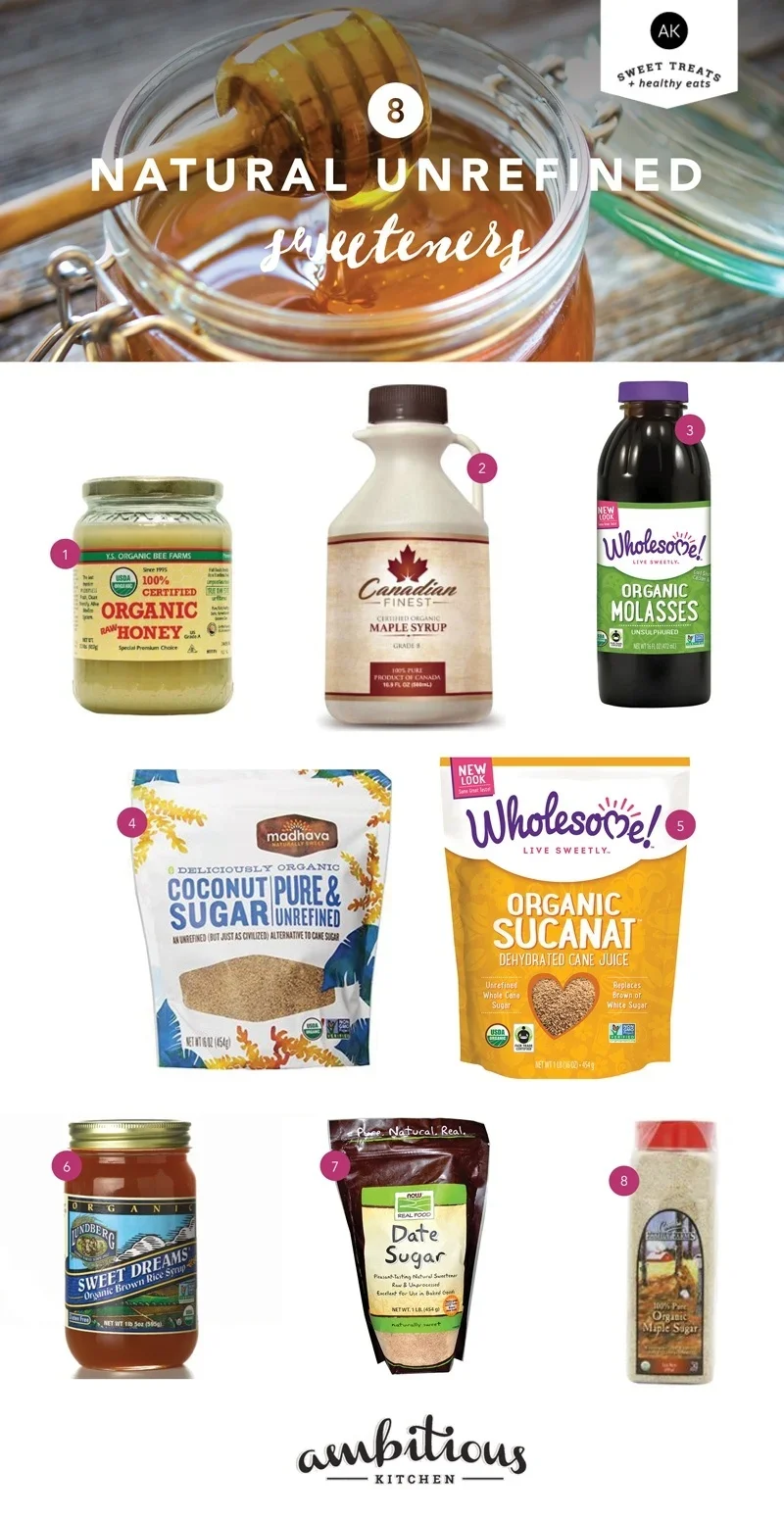
Natural sweeteners are substances derived from plants or naturally occurring sources that provide sweetness without the extensive processing typical of refined sugars. Examples include honey, maple syrup, agave nectar, coconut sugar, and sweeteners made from dates. These alternatives often retain more nutrients and have a different chemical makeup compared to white sugar, making them attractive choices for people seeking healthier baking options.
Why Avoid Refined Sugar in Baking?
Refined sugar, though commonly used in baking, can contribute to various health issues such as blood sugar spikes and nutrient depletion. Avoiding refined sugar is often a step towards better health, as it helps reduce the intake of empty calories and processed ingredients. Additionally, baking without refined sugar encourages experimentation with flavors and textures that natural sweeteners can bring, resulting in more wholesome and flavorful baked goods.
Top Natural Sweeteners and Their Baking Benefits
Honey: Characteristics and Uses in Baking
Honey is a versatile natural sweetener with a rich flavor profile ranging from mild floral to robust and earthy, depending on its floral source. It adds moisture to baked goods and promotes browning due to its fructose content. When replacing sugar with honey, it’s important to reduce the liquid in the recipe slightly because honey contains water. Honey works well in recipes for breads, muffins, and even glazes.
Maple Syrup: Flavor Profile and Best Recipes
Maple syrup offers a deep, caramel-like sweetness with unique woody undertones. Its distinct taste complements recipes like pancakes, cookies, and certain cakes. It also contains minerals like manganese and zinc, adding nutritional value. Maple syrup has a thinner consistency than honey, so adjustments in baking recipes often involve increasing flour or reducing liquids. It shines particularly in autumn-themed treats or those requiring a more subtle sweet touch.
Agave Nectar: Sweetness Level and Texture Impact

Agave nectar is prized for its mild flavor and high sweetness level, often sweeter than refined sugar, which means less can be used in baking. Its light texture blends smoothly into batters and doughs, making it a popular choice for beverages and delicate cakes. However, agave contains a high fructose percentage, so moderation is advised. It imparts a pleasant moisture to baked goods, keeping them soft over time.
Coconut Sugar: Nutritional Value and Baking Tips
Coconut sugar is made from the sap of coconut palm flower buds and is valued for its lower glycemic index and mineral content such as iron, zinc, and calcium. It has a caramel aroma similar to brown sugar and adds a rich depth to recipes like cookies and brownies. Coconut sugar behaves similarly to granulated sugar in baking but doesn’t dissolve as quickly, so mixing thoroughly is crucial. It can slightly alter the texture, giving a grainier bite if not well incorporated.
Date Sugar and Date Paste: Using Whole Fruit Sweeteners
Date sugar and date paste are made from whole dates, preserving the fruit’s fiber, vitamins, and minerals. Since they are less processed, these sweeteners provide a more complex flavor, including fruity and caramel notes. Date sugar is coarse and doesn’t dissolve easily, making date paste often preferable for smooth batters. They are excellent in recipes that benefit from a natural fruit flavor, such as energy bars, quick breads, or muffins.
How to Substitute Refined Sugar with Natural Sweeteners
Conversion Tips for Different Sweeteners
When baking with natural sweeteners, conversion from refined sugar is crucial to ensure the right balance of sweetness and texture. Honey and maple syrup are liquid, so reduce other liquids in the recipe by roughly a quarter cup for every cup of sweetener added. Agave nectar is sweeter than sugar, so you can use about two-thirds of the sugar amount. Coconut sugar and date sugar can be used cup-for-cup but may influence texture and moisture.
Adjusting Moisture and Baking Times
Since many natural sweeteners contain water, baked goods can become denser or moister than expected. It’s important to monitor baking time closely; sometimes, reducing the oven temperature slightly helps prevent over-browning because natural sweeteners caramelize faster. Also, adding an extra teaspoon of baking powder or soda can aid leavening when the batter is denser due to these sweeteners.
Health Considerations When Choosing Natural Sweeteners
Glycemic Index Comparison
The glycemic index (GI) reflects how quickly a food raises blood sugar levels. Natural sweeteners vary widely in GI values—honey and maple syrup have moderate GIs, while agave nectar is lower due to its fructose content. Coconut sugar boasts a relatively low GI compared to refined sugar, offering a gentler impact on blood glucose. Understanding the GI of each sweetener helps those managing blood sugar levels to make informed choices.
Allergen and Dietary Concerns
While natural sweeteners are often more tolerated, some individuals may have allergies or dietary restrictions. For example, honey is not suitable for infants under one year old and may cause reactions in people sensitive to bee products. Date-based sweeteners are excellent for those avoiding processed sugars, but the fiber content can affect digestion if consumed in large amounts. Always consider personal dietary needs and consult health professionals when necessary.
Creative Recipes Featuring Natural Sweeteners
Sweet and Savory Baked Goods
Incorporating natural sweeteners into both sweet and savory baked items enhances complexity in flavor. For instance, a honey-glazed roasted vegetable tart balances savory elements with a hint of sweetness. Similarly, using maple syrup in homemade granola bars or whole-grain bread imparts a subtle sweetness without overpowering the dish. Experimenting with these sweeteners in different recipes broadens culinary possibilities.
Holiday Treats Made Healthier
The holidays are a perfect time to showcase natural sweeteners by replacing traditional sugars in festive recipes. Agave nectar can sweeten gingerbread cookies, lending moisture and softness, while date paste enriches fruitcakes with natural sweetness and added nutrients. Even classic dishes like pumpkin pie benefit from the caramel notes of coconut sugar, making holiday treats both delicious and more nutritious.
Conclusion: Finding Your Ideal Sweetening Alternative
Choosing the best natural sweetener for baking depends on the recipe, desired flavor, and health considerations. Understanding the characteristics of each option, how they interact with other ingredients, and their impacts on moisture and texture is essential for successful baking without refined sugar. By experimenting thoughtfully and adjusting recipes accordingly, it’s possible to create delicious, wholesome baked goods that satisfy sweet cravings while supporting healthier eating habits.