Introduction to Plant-Based Preservatives in Homemade Cosmetics
Why Preservation Matters for DIY Beauty Products
Imagine you’ve spent hours blending your own gentle face cream at home, using fresh ingredients and natural oils. The excitement of creating a product tailored exactly to your skin is rewarding, but it doesn’t stop there. Without proper preservation, this homemade cosmetic can quickly spoil, inviting bacteria, mold, or yeast that not only ruin the texture and scent but also pose health risks. Preservation is essential to keep your creation safe and effective over time, especially since homemade cosmetics often lack the chemical preservatives found in commercial products.
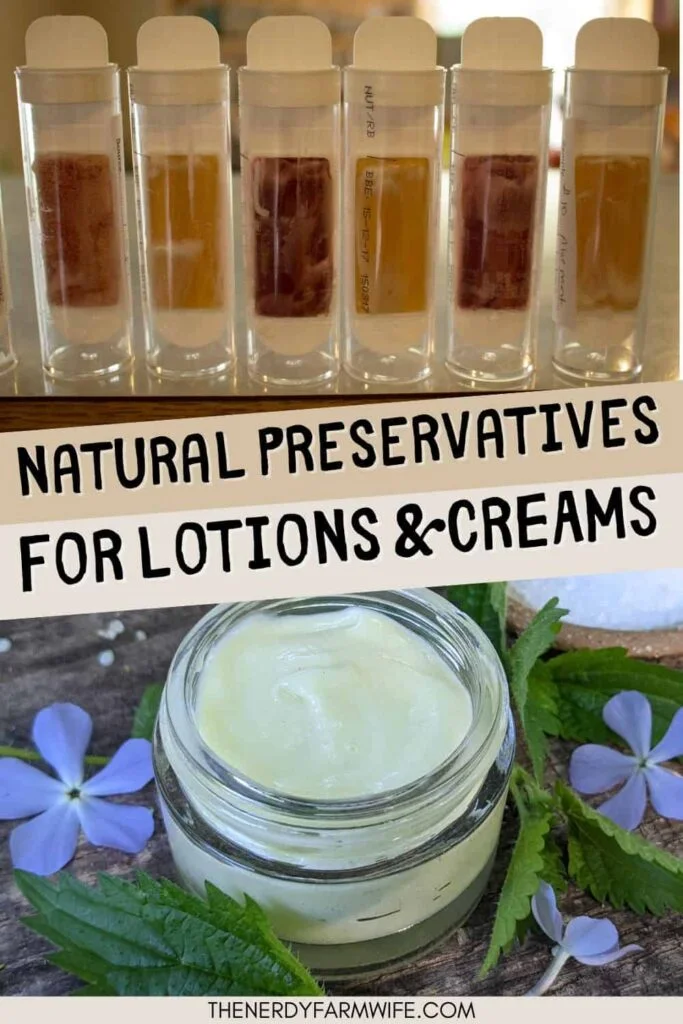
Overview of Natural vs. Synthetic Preservatives
When comparing preservatives, synthetic options like parabens or phenoxyethanol offer broad-spectrum protection but can raise concerns for those seeking cleaner beauty routines. Plant-based preservatives, on the other hand, harness nature’s antimicrobial and antioxidant power. These natural alternatives can be gentler on skin and appeal to eco-conscious crafters, but they often require more careful formulation and storage to maintain product integrity. Understanding the strengths and limitations of each type helps DIY enthusiasts make informed choices.
Top Plant-Based Preservatives and Their Benefits
Essential Oils with Antimicrobial Properties
Essential oils like tea tree, lavender, and thyme have long been valued for their antimicrobial qualities. For example, a friend of mine who makes handcrafted facial mists swears by tea tree oil—not only for its pleasant scent but because it helps prevent microbial growth. However, it’s important to note that essential oils alone may not provide full-spectrum preservation, especially in water-based products, so they work best in conjunction with other methods.
Botanical Extracts for Extending Shelf Life
Grapefruit seed extract (GSE) is a popular botanical that many DIYers turn to for its reported antimicrobial effects. One skincare blogger shared how adding GSE to her homemade lotions extended their usability from a week to nearly a month when stored correctly. However, controversy exists about the purity and effectiveness of some commercial GSE products, so sourcing a reputable brand is crucial.
Natural Antioxidants as Preservatives
Oxidation is a major factor in cosmetic spoilage, causing oils to go rancid and colors to fade. Natural antioxidants like vitamin E (tocopherol) and rosemary extract can slow this process. For instance, a small batch of body butter I made remained fresh longer after I incorporated vitamin E oil, which serves the dual purpose of nourishing skin and protecting the product. These antioxidants work best when combined with antimicrobial agents to cover all preservation bases.
How to Choose the Right Plant-Based Preservative
Compatibility with Cosmetic Ingredients
Not every preservative pairs well with all ingredients. For instance, some essential oils can react negatively with certain emulsifiers or cause irritation when overused. I recall a fellow DIYer who experienced separation in her lotion after adding too much rosemary extract, highlighting the importance of testing combinations before finalizing a formula. Understanding your ingredients’ chemistry helps in selecting preservatives that maintain both stability and safety.
Shelf Life Expectations and Limitations
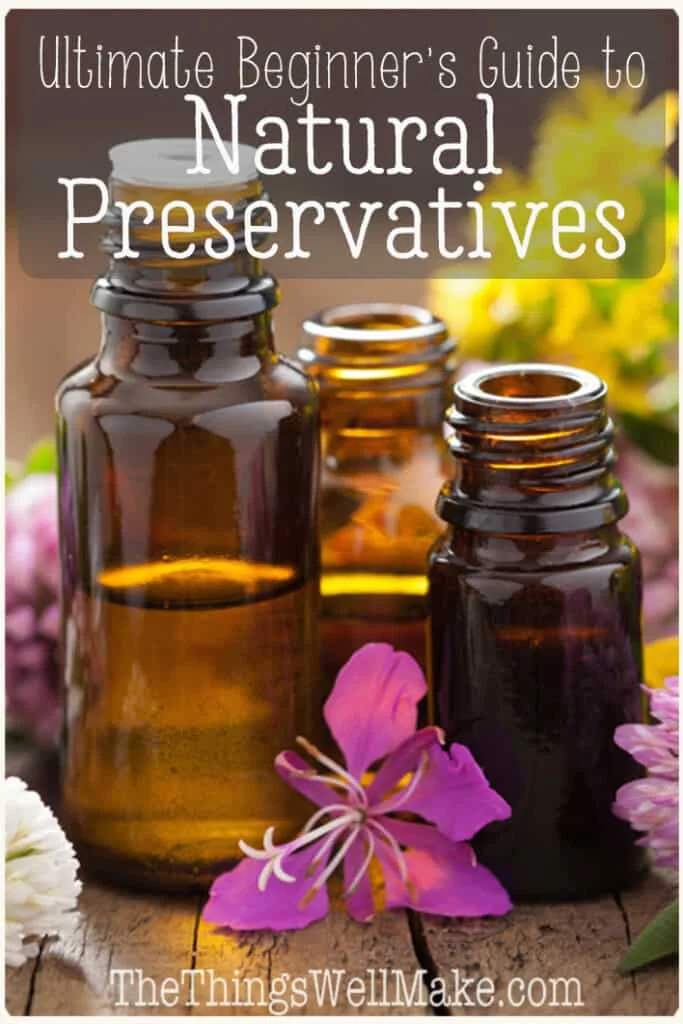
Plant-based preservatives often provide shorter shelf lives compared to synthetic ones. Homemade cosmetics preserved with natural ingredients might last from two weeks to a few months, depending on formulation and storage. A skincare enthusiast I know labels her products with a three-week expiry date as a precaution. Managing realistic expectations and using small batches can prevent waste and ensure product freshness.
Safety and Allergic Considerations
Natural doesn’t always mean hypoallergenic. Essential oils and botanical extracts can trigger reactions in sensitive individuals. For example, someone I tutored in cosmetic formulation developed redness using high percentages of lavender oil. Patch testing new products on a small skin area is an indispensable step to avoid adverse effects. Additionally, understanding appropriate concentration levels reduces the risk of sensitization.
Maximizing Shelf Life with Proper Storage Techniques
Packaging Choices for Homemade Cosmetics
The container you choose can significantly affect a product’s longevity. Dark glass bottles protect serums from light degradation, while airless pumps minimize oxygen exposure. I recommend using small jars or tubes to reduce contamination risk, especially for products applied with fingers. One case involved a creator who switched from wide-mouth jars to pumps and noticed a marked improvement in product shelf life.
Environmental Factors Affecting Preservation
Temperature and humidity impact the rate of cosmetic spoilage. Storing homemade creams in a cool, dry place away from direct sunlight is crucial. A friend who keeps her products in a bathroom cabinet experienced frequent spoilage due to humidity, but after relocating them to a bedroom drawer, her lotions remained stable much longer. Simple changes like this can enhance preservation without altering formulations.
Step-by-Step Guide: Incorporating Plant-Based Preservatives
Measuring and Mixing Techniques
Precision matters when adding preservatives. Using accurate scales and pipettes ensures you add the correct amount, preventing under- or over-preservation. For instance, when mixing grapefruit seed extract into a toner, measuring to the nearest 0.1% of the total volume can make the difference between effective preservation and skin irritation. Slowly incorporating the preservative into cooled mixtures avoids volatility loss, preserving antibacterial properties.
Testing for Stability and Effectiveness
Before sharing or selling DIY cosmetics, testing stability is vital. Simple home tests include observing changes in color, texture, and smell over days or weeks. Some makers use cotton swabs to introduce microbes intentionally and track product resistance. A local artisan I interviewed performs patch tests and stores samples under varied conditions to monitor effectiveness, ensuring customer safety and satisfaction.
Case Studies: Popular Plant-Based Preservatives in Action
Using Grapefruit Seed Extract in Lotions
Maria, a small-batch skincare creator, experimented with grapefruit seed extract in her hydrating lotion. Initially, she faced spoilage after a week, but after adjusting the concentration and combining GSE with vitamin E, her batches lasted nearly four weeks. Her experience underscores the need for formulation tweaks and complementary antioxidants when relying on plant-based preservatives.
Application of Rosemary Extract in Serums
Another example comes from Jason, who crafts facial serums rich in botanical oils. He incorporates rosemary extract to prevent rancidity and notes that it successfully prolongs shelf life without altering scent or texture. However, Jason cautions that rosemary extract is best suited to oil-based products and recommends avoiding its use in water-rich formulas without additional antimicrobials.
Conclusion and Final Tips for DIY Cosmetic Preservation
Preserving homemade cosmetics naturally is both an art and a science. Plant-based preservatives offer safer, eco-friendly solutions but require thoughtful selection, precise measurements, and proper storage. Starting with small batches, conducting patch and stability tests, and adjusting formulations based on observations lead to better products and happier skin. Remember, the secret lies not only in the ingredients but also in how you care for your creations. With patience and practice, you can confidently make cosmetics that are as safe as they are beautiful.