Introduction to Street Food: A Cultural Tapestry
The Origins and Global Diversity of Street Food
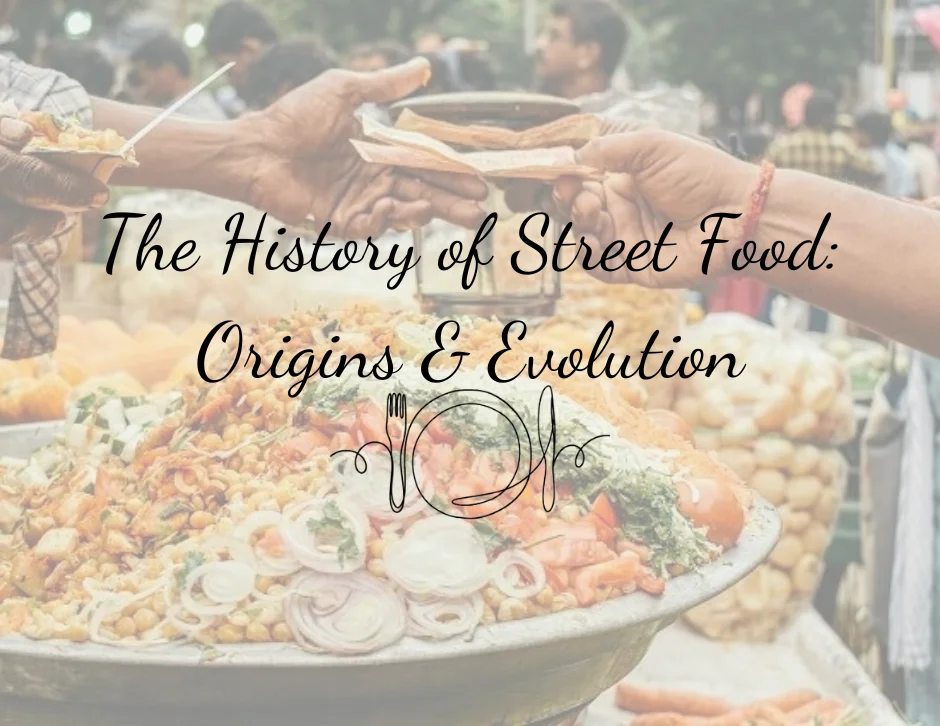
Street food has long been a vivid expression of culture and community, weaving together the histories of countless regions around the world. From the sizzling taco stalls of Mexico City to the aromatic chaat vendors in New Delhi, street food represents more than just a quick meal — it is a reflection of local traditions, ingredients, and social interactions. The origins of street food date back centuries, often linked to the livelihoods of traveling merchants, farmers, and artisans who needed affordable, portable sustenance. In cities like Istanbul, where centuries of empire converged, street foods mirror the blend of cultures, with offerings ranging from stuffed flatbreads to sweet pastries.
Why Street Food Captivates Modern Palates
In today’s fast-paced world, street food continues to charm eaters with its immediacy, bold flavors, and authenticity. Many people seek street food because it offers a direct connection to the cultural roots and vibrant spirit of a place, often at a price that rivals or beats traditional dining. The communal nature of street food, where customers gather closely around vendors and share dynamic flavors, taps into a universal craving for social connection and adventure. Moreover, the growing foodie culture and global travel have introduced home cooks and chefs alike to diverse ingredient combinations and preparation techniques, inspiring a renewed interest in replicating street food experiences at home.
Historical Street Food Recipes: A Culinary Time Capsule
Iconic Dishes from Various Eras and Regions
Each historic era and region gifts us with its own legendary street food recipes, like snapshots of everyday life preserved through taste. For instance, the 19th-century Parisian crêpe stands were not just a source of nourishment but also hubs of social exchange, where sweet and savory variations catered to all palates. Meanwhile, in Southeast Asia, satay skewers, originally cooked over open flames by traveling vendors, serve as portals to the spices and cooking methods of ancient maritime trading networks. These timeless dishes remind us of how street food evolved as a solution to sustain growing urban populations, often making use of leftover or inexpensive ingredients without compromising flavor.
Techniques and Ingredients of Traditional Street Vendors
The mastery behind street food goes beyond recipes; it’s about technique and the clever use of local ingredients. Traditional vendors often rely on minimal equipment, such as charcoal grills, clay pots, or simple frying pans, balancing speed with flavor. The use of fresh herbs, vibrant spices, and seasonal produce is common across most street foods, ensuring each dish bursts with layers of aroma and taste. For example, the fermentation methods used in many Southeast Asian street snacks, or the slow-cooked braises popular in Middle Eastern markets, are techniques honed over generations. These methods not only add depth but also preserve ingredients, making them ideal for vendors who operate under intense time constraints.
Transitioning from Street to Home: Challenges and Opportunities
Replicating Authentic Flavors with Accessible Ingredients
When bringing street food into the home kitchen, cooks often face the challenge of sourcing authentic ingredients that vendors take for granted. While some spices and condiments might be easily found in specialty stores or online, others require creative substitutions to keep the essence intact. For instance, replicating the smoky aroma of charcoal-grilled meats without an outdoor grill leads many home cooks to experiment with ovens and stovetop smoking techniques. Additionally, maintaining the balance of bold flavors needs careful seasoning adjustments because street vendors often rely on very fresh or fermented components that develop character over time. Home cooks learn to adapt by blending spices or making homemade condiments, gaining hands-on understanding of flavor layering.
Health Considerations in Home Adaptations
One reason many food enthusiasts turn to home adaptations of street food is the opportunity to make healthier choices while preserving authentic tastes. Vendor-prepared street food is sometimes associated with high oil content or unsanitary conditions, which can deter health-conscious diners. At home, cooks control the quality and quantity of ingredients, opting for leaner cuts, fresh vegetables, and less oil. For example, grilling chicken satay on a stovetop grill pan with minimal oil instead of deep-frying can drastically reduce calories while maintaining flavor. Home kitchens also allow experimentation with organic produce, whole grains, or gluten-free alternatives, broadening street food’s appeal without sacrificing its soul.
Modern Twists on Classic Street Foods
Incorporating Fusion and Contemporary Trends
As street food evolves, it continuously absorbs contemporary culinary trends and fusion influences. Young chefs and home cooks are reinventing classic recipes by adding unexpected flavors or combining elements from different food cultures. Imagine a Korean taco where traditional Mexican tortillas are filled with spicy bulgogi beef, kimchi, and avocado salsa, creating a vibrant cross-cultural experience. This evolution nurtures creativity and invites broader audiences to explore street food through new lenses. It also reflects the modern diner’s adventurous palate, which often craves a blend of familiar and novel tastes.
Plant-Based and Dietary-Friendly Variations
The rise of plant-based diets and food allergies has motivated countless reinterpretations of iconic street dishes. Consider the growing popularity of using jackfruit as a meat substitute in vegan versions of pulled pork sandwiches or the transformation of traditional Indian samosas into gluten-free or baked options. These adaptations show how street food can remain inclusive and health-conscious without losing its characteristic flair. They also empower home cooks to tailor cherished recipes to suit their families’ dietary needs or ethical choices while honoring the original culinary spirit.
Tools and Techniques to Recreate Street Food at Home
Essential Kitchen Equipment for Authenticity
While traditional street vendors use simple, often rustic tools, replicating their dishes at home sometimes requires specific equipment to achieve similar results. Essential tools include a heavy cast iron skillet or griddle for even heat distribution, bamboo steamers for preparing dim sum or bao buns, and a mortar and pestle to grind fresh spices or make pastes. For grilling, a stovetop grill pan or a small outdoor charcoal or gas grill can recreate smoky flavors integral to many recipes. Even small appliances like an air fryer can be effective for healthier reinterpretations of fried street snacks, offering convenience without compromising texture.
Step-by-Step Guide to Mastering Street Food Cooking Methods

Mastering street food techniques at home often involves embracing simplicity yet respecting timing and heat control. For example, in preparing Vietnamese banh mi at home, one needs to properly marinate meats, toast the bread to a perfect crunch, and layer fresh herbs and pickled vegetables just before serving. Similarly, cooking Indian chaat snacks requires frying dough to a crisp golden hue while simultaneously preparing tangy chutneys and yogurt toppings. Home cooks benefit from practicing these processes in stages, paying close attention to ingredient freshness and balance. Experimenting with one key technique at a time—such as fermentation, frying, or grilling—can build confidence and produce more authentic results.
Inspiring Recipes to Try Today
Time-Tested Recipes Adapted for the Home Cook
One beloved recipe is the classic Middle Eastern falafel, easily adapted for the kitchen. By soaking chickpeas overnight and blending them with fresh herbs, garlic, and spices, home cooks can prepare patties which are either pan-fried or oven-baked, replicating traditional street flavors. Another is the Mexican elote, grilled corn smothered with a tangy blend of mayonnaise, cheese, and chili powder, which can effortlessly be made on a backyard grill or stove-top. These dishes preserve the essence of the street experience through accessible methods and ingredients, making them ideal for beginners.
Creative Homemade Street Food Ideas
For those looking to innovate, trying a Japanese takoyaki made in a specialized pan brings an interactive street food vibe indoors. Filling the batter with bits of octopus, scallion, and pickled ginger and topping with takoyaki sauce offers an authentic taste and fun cooking experience. Another imaginative idea is homemade Korean hotteok, sweet pancakes stuffed with cinnamon, brown sugar, and nuts, providing a comforting snack adaptable to dietary preferences. These recipes showcase how street food can be both approachable and creative, inviting cooks to experiment with textures and flavors while sharing stories behind each bite.
Conclusion: Preserving Culinary Heritage Through Home Cooking
Adapting the rich heritage of street food recipes for home kitchens does more than satisfy hunger; it connects us to history, culture, and community. Each dish recreated at home becomes an act of preservation and celebration of global traditions, allowing these vibrant flavors to endure and evolve. While challenges like ingredient access and health considerations require thoughtful approaches, the rewards of authenticity and creativity are immense. By embracing these recipes and techniques, home cooks not only enjoy delicious meals but also honor the passion and ingenuity of street food vendors past and present.