Introduction to Southeast Asian Street Food Markets
Defining Street Food Markets
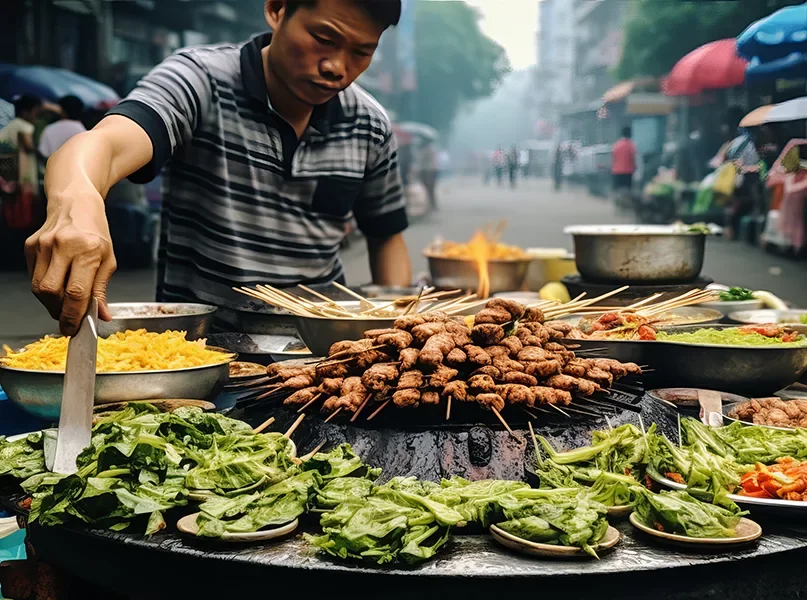
Street food markets in Southeast Asia are vibrant public spaces where vendors sell a variety of ready-to-eat dishes directly on the streets or in open-air venues. These markets are characterized by their diverse culinary offerings, quick service, and often affordable prices, making them accessible to locals and tourists alike. Street food markets are more than just places to grab a meal; they serve as social hubs, reflecting the local culture and everyday life.
Geographical Overview of Key Regions
Southeast Asia comprises countries such as Thailand, Vietnam, Malaysia, Indonesia, and the Philippines, each hosting iconic street food markets. From the bustling alleyways of Bangkok and the historic quarters of Hanoi to the colorful night markets of Kuala Lumpur, these regions offer a rich tapestry of sensory experiences. The geographical diversity—from urban centers to coastal areas—plays a significant role in shaping the unique flavors and specialties presented in these markets.
Historical Development of Street Food in Southeast Asia
Origins and Early Influences
The roots of street food in Southeast Asia date back centuries, influenced by the region’s agrarian societies and trade routes. Local farmers and fishermen initially sold surplus produce and fresh catch in open-air settings. Over time, these simple stalls evolved to include prepared foods that catered to workers seeking convenient meals. The indigenous culinary traditions combined with external influences, creating a unique street food culture.
Colonial Impact on Local Cuisines
Colonial history left a significant imprint on Southeast Asian street food. European powers introduced new ingredients and cooking techniques, which locals adapted in inventive ways. For example, French colonialism in Vietnam brought baguettes, which inspired the now-famous banh mi sandwich. Similarly, the Dutch, Portuguese, and British colonial presence introduced spices, meats, and desserts that gradually integrated into local recipes, enriching the street food landscape.
Urbanization and Evolution of Markets
As cities in Southeast Asia expanded through the 20th century, street food markets grew in tandem with rapid urbanization. These markets became essential for feeding a growing workforce and supporting the informal economy. Urban development also led to more organized market spaces, blending traditional stalls with modern amenities. Despite these changes, the essence of street food—accessibility, variety, and community—remained intact, ensuring its continued popularity.
Sociocultural Roles of Street Food Markets
Community Building and Social Interaction
Street food markets function as vital communal spaces where people gather, share stories, and strengthen social bonds. They are places where different generations meet, fostering a sense of belonging and continuity. The informal environment encourages interaction between diverse social groups, promoting inclusiveness and local solidarity.
Street Food as a Cultural Identity
Street food serves as a tangible expression of cultural identity in Southeast Asia. The specific dishes, cooking methods, and even vendor customs reflect the heritage and traditions of the communities. Eating at these markets allows individuals to connect with their cultural roots and offers visitors an authentic window into local life, making street food a cornerstone of regional pride.
Religious and Festive Significance

Many street food markets are intertwined with religious practices and festivals. During celebrations such as the Lunar New Year, Ramadan, or local temple fairs, markets become lively epicenters filled with special dishes prepared exclusively for these occasions. This intersection of food and spirituality underscores the important role street food plays in marking communal milestones and rituals.
Iconic Street Food Markets Across Southeast Asia
Bangkok’s Chatuchak and Yaowarat Markets
Bangkok is home to some of the most famous street food markets in the world. Chatuchak Weekend Market, known for its vast size and variety, offers everything from grilled meats to tropical fruits. Meanwhile, Yaowarat, Bangkok’s Chinatown, is a bustling nighttime food haven where vendors serve traditional Chinese-Southeast Asian fusion dishes. These markets showcase the city’s culinary diversity and attract millions of food lovers annually.
Hanoi’s Old Quarter Street Food Scene
Hanoi’s Old Quarter is renowned for its charming streets lined with vendors offering quintessential Vietnamese street food. Here, visitors can sample pho, bun cha, and egg coffee in an atmosphere steeped in history. The market’s layout and continued use of age-old cooking techniques highlight the balance between preserving tradition and catering to modern tastes.
Kuala Lumpur’s Jalan Alor: A Melting Pot of Flavors
In Kuala Lumpur, Jalan Alor stands out as a vibrant food street that embodies Malaysia’s multicultural identity. The market features a wide selection of Malaysian, Chinese, and Indian dishes, reflecting the country’s ethnic diversity. At night, the street transforms into a lively culinary destination, drawing locals and tourists looking to experience the rich fusion of flavors unique to the region.
The Economic Impact of Street Food Markets
Employment and Small Business Opportunities
Street food markets are vital engines for local economies, providing employment and entrepreneurial opportunities for many individuals. Vendors often start small businesses with minimal capital, contributing to financial inclusion. These markets sustain families and stimulate economic activity within neighborhoods, fostering grassroots economic growth.
Tourism and Global Recognition
Beyond their local importance, Southeast Asian street food markets have become major tourist attractions. Their authenticity and variety draw global food enthusiasts, boosting tourism revenue. International media coverage and culinary tours often spotlight these markets, enhancing their global profile and encouraging cultural exchange through gastronomy.
Modern Challenges and Adaptations
Health Regulations and Food Safety
With growing urban populations and increased awareness of public health, street food markets face stricter regulations. Ensuring food safety without compromising the vendors’ traditional practices presents a delicate challenge. Many markets have begun implementing hygiene standards and certification programs to reassure consumers while preserving the authentic street food experience.
Technology’s Role in Market Transformation
Technology is reshaping the street food landscape, with digital payment systems, social media marketing, and delivery apps becoming increasingly prevalent. Vendors use these tools to reach broader audiences and improve operational efficiency. These innovations help street food businesses adapt to contemporary consumer behaviors and stay competitive.
Preserving Tradition Amid Commercialization
As street food markets gain popularity and commercial interest grows, there is concern about losing the cultural authenticity that defines them. Balancing modernization with tradition requires conscious efforts from communities, local governments, and vendors to protect culinary heritage. Initiatives promoting traditional recipes and artisan methods are key to maintaining the markets’ unique identities.
Conclusion: The Enduring Legacy of Southeast Asian Street Food Markets
Street food markets in Southeast Asia represent much more than just a place to eat; they are living cultural landmarks that encapsulate history, identity, and social life. Their evolution from humble origins to globally recognized culinary destinations demonstrates their resilience and significance. By appreciating their historical roots, social roles, and economic contributions, we gain deeper insight into why these markets continue to thrive in a rapidly changing world. Preserving their legacy ensures that future generations can enjoy and learn from this vibrant aspect of Southeast Asian culture.