Understanding Emulsifiers: The Basics
What Are Emulsifiers?
Imagine trying to mix oil and water—no matter how much you stir, they always separate, right? Emulsifiers are special agents that help these two incompatible substances blend and stay combined. In cooking, an emulsifier acts like a bridge at the microscopic level, allowing fat and water-based ingredients to form a smooth, consistent mixture. This is especially vital in homemade salad dressings and sauces where oils and vinegars or other liquids need to unite.
Common Types of Emulsifiers in Cooking
When thinking about emulsifiers in the kitchen, eggs often come first to mind. The lecithin in egg yolks is a classic emulsifier used in mayonnaise and hollandaise sauce. But there are plenty of others—from mustard, which contains natural emulsifying compounds, to honey, which can also help bring ingredients together. Commercial products like xanthan gum or soy lecithin supplements are increasingly popular for those seeking consistency and stability, especially in larger batches or for specialized diets.
Why Emulsifiers Matter in Salad Dressings and Sauces
How Emulsifiers Work at the Molecular Level
Picture each emulsifier molecule as having one end that loves water and another that loves oil. This dual nature allows it to position itself between oil droplets and water, preventing the droplets from clumping together and separating. Without emulsifiers, the heavier oil layer would float on top, leaving your dressing uneven and unappetizing. This scientific underpinning explains why vinaigrettes without an emulsifier can quickly lose their harmony after a shake or stir.
Impact on Texture and Flavor
The presence of emulsifiers influences not only the look but also the mouthfeel and taste of dressings and sauces. A well-emulsified dressing is silkier and coats salad leaves evenly, enhancing each bite with balanced flavor. Conversely, a dressing that has split can taste unbalanced, with sharp acidity dominating when the oil separates. Many home cooks find their dressings more enjoyable and consistently delicious once they master emulsification.
Natural vs. Commercial Emulsifiers: Pros and Cons
Natural Emulsifiers You Can Use at Home
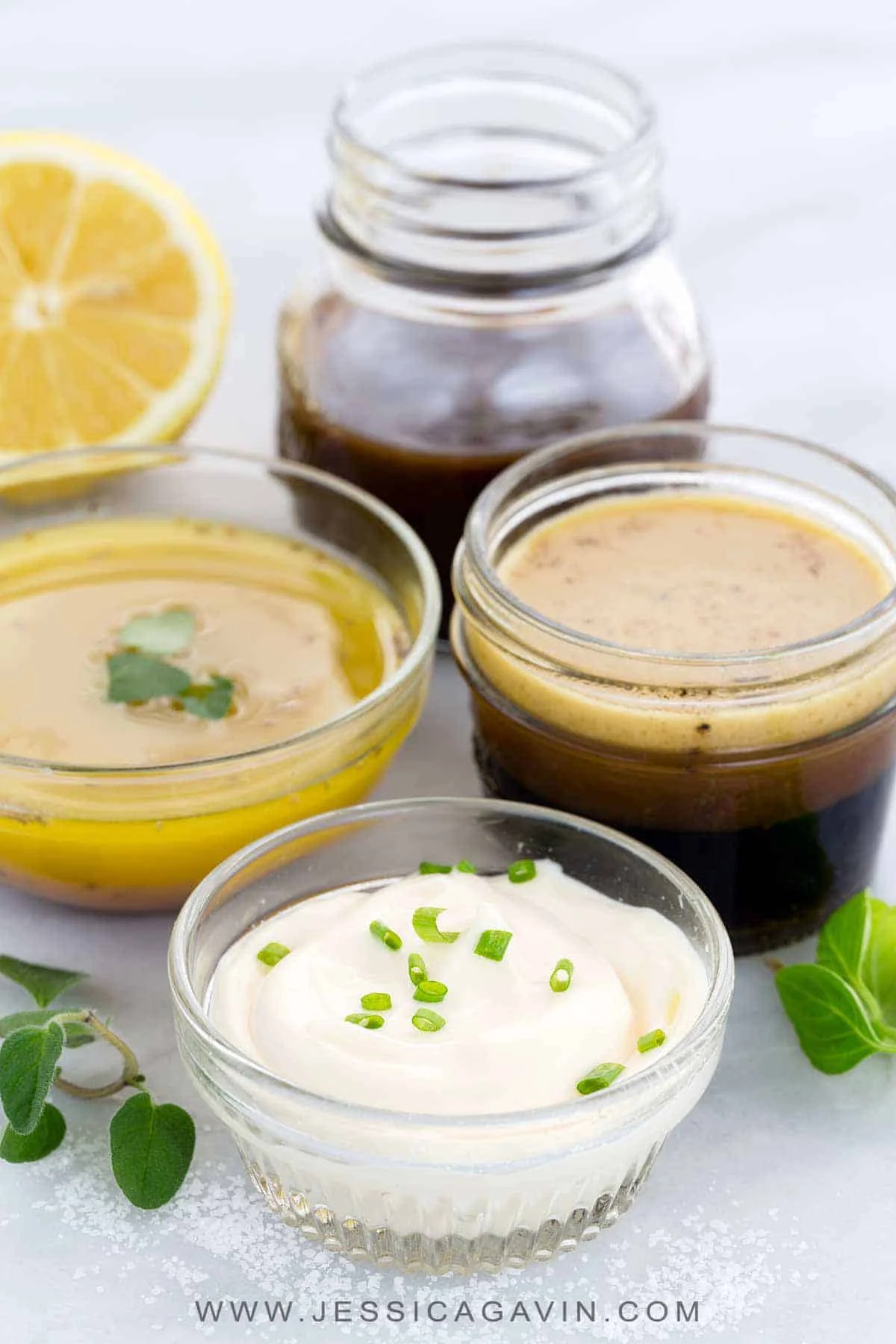
Using natural emulsifiers has its charm, especially when crafting homemade dressings with simple pantry staples. Egg yolks are potent, but mustard offers an easy, allergy-friendly alternative. For example, a friend of mine swears by Dijon mustard in her vinaigrettes, which always come out creamy and stable. Honey and even finely grated garlic or shallots provide subtle emulsifying effects as well as added flavor. These options keep your dressing clean-label and wholesome.
When to Opt for Commercial Emulsifiers
On the other hand, commercial emulsifiers shine when you need extra stability or are making large quantities for events or food businesses. For instance, if you’re preparing a batch of ranch dressing to serve at a big party, commercial emulsifiers like xanthan gum maintain consistency longer, even when refrigerated. However, such additives might not appeal to those seeking wholly natural ingredients or those wary of food additives. Choosing them depends on your goals and the recipe’s context.
Step-by-Step Guide: Making Perfect Emulsified Salad Dressings
Choosing Ingredients That Help Emulsify
Start with an oil and vinegar or citrus juice base. Adding an emulsifier like egg yolk or mustard is your next step. For example, using extra virgin olive oil combined with apple cider vinegar and a teaspoon of Dijon mustard creates a classic emulsion foundation. Fresh herbs or crushed garlic can be added for flavor but won’t significantly affect emulsification. Keep ingredients fresh and at room temperature to help them mix smoothly.
Techniques to Achieve Stable Emulsions
The mixing method plays a pivotal role. Whisking vigorously or using a blender creates tiny oil droplets, allowing the emulsifier to coat them efficiently. I once tried shaking a dressing in a jar, only to have it split minutes later. Switching to a blender fixed this problem by creating a more stable emulsion. Another useful trick is to add oil slowly, in a thin stream, while continuously whisking, helping the droplets disperse evenly and promoting lasting stability.
Troubleshooting Common Emulsion Issues
Why Dressings Split and How to Fix Them
Emulsions can break when oil is added too quickly, when the dressing is exposed to extreme temperatures, or if the emulsifier quantity is insufficient. For example, pouring all the oil at once can overwhelm the emulsifier’s ability to stabilize droplets, causing separation. If your dressing does split, whisking in a teaspoon of warm water or a bit more mustard can sometimes bring it back together, rescuing a batch that seemed lost.
Tips for Maintaining Emulsion Over Time
Even a perfect emulsion eventually prefers some attention. Storing dressings in a sealed container and shaking or whisking before each use helps maintain uniformity. Avoid exposing your dressing to rapid temperature changes; for instance, taking it from the fridge and serving it immediately at room temperature can cause instability. Planning to consume dressings within a few days also ensures you enjoy them at their best consistency and flavor.
Creative Uses of Emulsifiers Beyond Salad Dressings
Incorporating Emulsifiers in Various Sauces
Emulsifiers are invaluable beyond just dressings. In sauces like hollandaise or béarnaise, egg yolks create a rich, creamy texture essential to their signature character. Similarly, in aioli or flavored mayonnaise, mustard and eggs combine to hold oil and garlic-infused liquids together, resulting in a versatile condiment. Even cold pasta sauces can benefit from emulsifiers to keep oil from pooling and ensure every strand is coated with flavor.
Innovative Homemade Recipes Featuring Emulsifiers
A friend recently experimented by adding aquafaba—the liquid from cooked chickpeas—as a natural emulsifier in vegan mayonnaise, creating a fluffy and stable sauce without eggs. Another creative approach includes using pureed avocado, which naturally contains emulsifying agents, to craft creamy dressings that are both nutritious and stable. These innovative uses showcase how understanding emulsifiers can elevate your kitchen creativity and expand your recipe repertoire.