Understanding Emulsification: The Chemistry of Mixing Oil and Water
What is Emulsification?
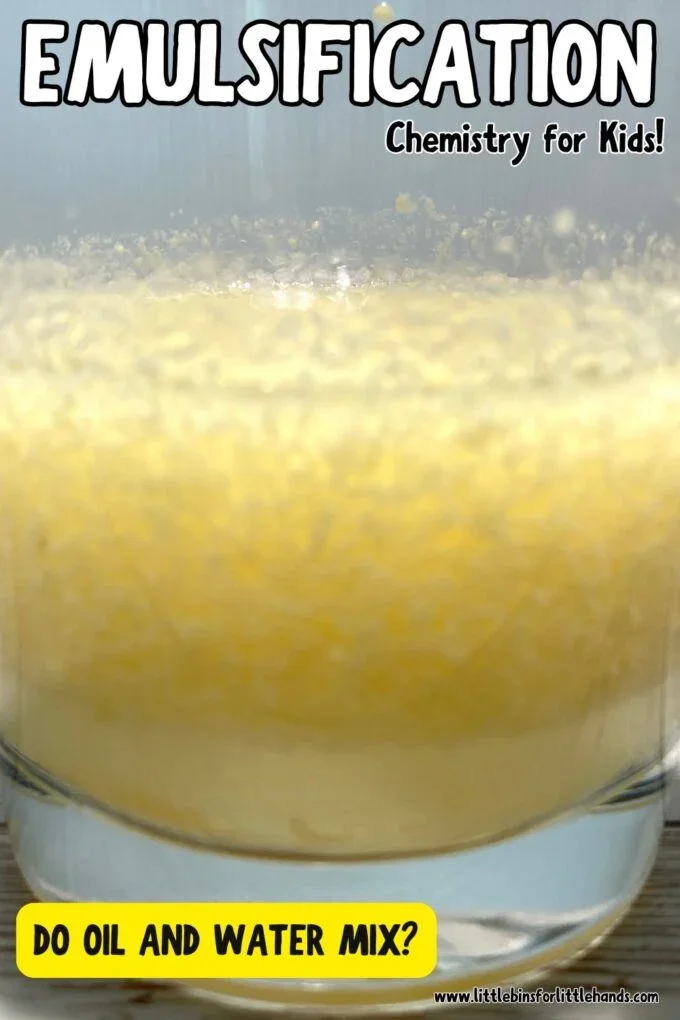
Emulsification is the process that enables two immiscible liquids, such as oil and water, to blend together into a uniform mixture. Normally, oil and water resist mixing due to their distinct molecular structures—oil molecules are non-polar, whereas water molecules are polar. Without intervention, these liquids will separate quickly. Emulsification overcomes this separation by dispersing one liquid into tiny droplets within the other, creating a stable blend. This is fundamental in making salad dressings that combine oil and acidic liquids like vinegar or lemon juice smoothly.

Types of Emulsions: Temporary, Semi-Permanent, and Permanent
Not all emulsions are the same; they can be categorized based on how long they remain mixed. Temporary emulsions, like simple vinaigrettes, separate soon after mixing because no stabilizing agents are involved. Semi-permanent emulsions last longer since some emulsifying agents are present, but they may still separate over time. Permanent emulsions, such as mayonnaise, are highly stable due to strong emulsifiers that maintain the mixture indefinitely. Understanding these distinctions helps in setting correct expectations and improving salad dressing techniques.
The Role of Emulsifiers: How They Work on a Molecular Level
Emulsifiers are substances that facilitate emulsification by reducing surface tension between oil and water. On a molecular level, emulsifiers possess both hydrophilic (water-attracting) and lipophilic (oil-attracting) parts. This dual affinity allows them to position themselves at the interface of oil and water droplets, preventing the droplets from coalescing and separating. Common emulsifiers in salad dressings, including mustard and egg yolks, play this crucial role by stabilizing the mixture and improving texture.
Essential Ingredients for Effective Homemade Salad Dressings
Common Oils and Their Characteristics
Choosing the right oil is a crucial step in crafting a salad dressing. Oils vary significantly in flavor, texture, and nutritional properties. Olive oil, for example, is a popular choice due to its fruity flavor and health benefits, offering a rich mouthfeel to dressings. Vegetable oils such as canola or sunflower tend to have a neutral taste, allowing other ingredients to shine. The viscosity of the oil also influences how the dressing emulsifies and coats salad leaves, with thicker oils generally yielding denser dressings.
Acids and Their Impact on Flavor and Emulsion Stability
Acidic components like vinegar and citrus juice do more than add tang; they also help stabilize emulsions. Acids can denature proteins in emulsifiers such as egg yolks, improving their ability to maintain stable droplets. Additionally, acids balance the flavor profile, providing brightness that complements the richness of oil. Selecting between balsamic vinegar, apple cider vinegar, or lemon juice, for instance, will have a profound impact on both taste and emulsion behavior.
Natural Emulsifiers: Mustard, Egg Yolk, and Honey
In homemade dressings, natural emulsifiers play a vital role in achieving creamy and stable results. Mustard contains mucilage and proteins that act as effective emulsifiers, making it a favored addition even in simple vinaigrettes. Egg yolks are rich in lecithin, a potent emulsifying agent traditionally used in sauces like mayonnaise. Honey, while less powerful, provides viscosity and mild emulsifying capabilities. Incorporating these natural ingredients helps maintain the mixture’s homogeneity and enhances the overall texture.
Step-by-Step Guide to Creating Stable Emulsions at Home
Preparation Tips: Temperature, Equipment, and Order of Mixing
Successfully emulsifying a salad dressing begins with proper preparation. Temperature matters—a room temperature oil blends better than a cold one that resists mixing. Using the right equipment, such as a whisk or blender, can significantly improve emulsion quality. When combining ingredients, start by mixing the acid and emulsifier thoroughly before slowly incorporating oil in a steady stream. This gradual addition encourages the formation of tiny droplets, creating a stable emulsion. Rushing or adding oil too quickly can cause separation.
Techniques for Achieving Perfect Texture and Consistency
Texture is critical for a pleasing salad dressing, requiring attentive technique. Whisking vigorously while slowly pouring the oil disperses it evenly, preventing clumping. Using an immersion blender can speed this up and yield a smoother finish. The consistency can be adjusted by controlling oil-to-acid ratios and incorporating emulsifiers at the right moment. Patience is key, as allowing the mixture time to blend properly ensures a balanced and velvety end product, free from oily pockets.
Common Mistakes to Avoid When Making Salad Dressings
A few pitfalls can undermine even the best recipe. Overloading the mixture with oil too quickly often causes the emulsion to break, leading to greasy separation. Using ingredients at vastly different temperatures can also destabilize the emulsion. Another error is insufficient whisking or blending, which fails to disperse oil droplets finely. Finally, neglecting the presence of emulsifiers or relying solely on shaking can result in short-lived mixtures. Awareness of these common errors helps ensure success every time.
Advanced Tips: Enhancing and Customizing Your Salad Dressings
Incorporating Herbs, Spices, and Flavor Enhancers
Once a stable base is achieved, personalizing salad dressings becomes an enjoyable process. Fresh herbs like basil, dill, or cilantro introduce vibrant aromas and complexity. Ground spices such as cumin or black pepper deepen flavor profiles and create warmth. Small amounts of garlic, shallots, or even a pinch of sugar can balance acidity. These additions should be integrated thoughtfully to complement, not overpower, the emulsion, enhancing both taste and appeal.
Adjusting Viscosity and Emulsion Strength
Fine-tuning the thickness of your dressing affects how it clings to salad ingredients. To increase viscosity, incorporate additional emulsifiers or use thicker oils like avocado oil. Conversely, to thin a dressing, add more acid or a small amount of water. Emulsion strength can be reinforced by revisiting the mixing process—whisking longer or blending at higher speed helps create smaller droplets that resist separation. Experimenting with ratios allows for customization tailored to specific salad types and personal preference.
Storage Tips to Maintain Emulsion Stability Over Time
Proper storage plays a role in preserving the quality of homemade dressings. Emulsions can separate naturally when left standing, especially if ingredients settle out. Storing dressings in airtight containers at cool temperatures slows this process. Before use, a gentle shake or stir helps remix any separated layers without breaking the emulsion. Avoid freezing emulsified dressings, as the structure often collapses on thawing. By following these practices, your salad dressings will remain fresh and delicious longer.