Understanding Rice Structure and Composition
The Role of Starch in Rice Texture
Rice texture is fundamentally governed by its starch content, which consists mainly of two components: amylose and amylopectin. Amylose tends to create firmer, less sticky grains, contributing to fluffy rice, while amylopectin is responsible for stickiness and softness. The balance between these starches determines whether the cooked rice will be sticky or fluffy. Understanding this interplay is crucial to mastering rice cooking techniques that yield the desired texture.
Types of Rice and Their Characteristics
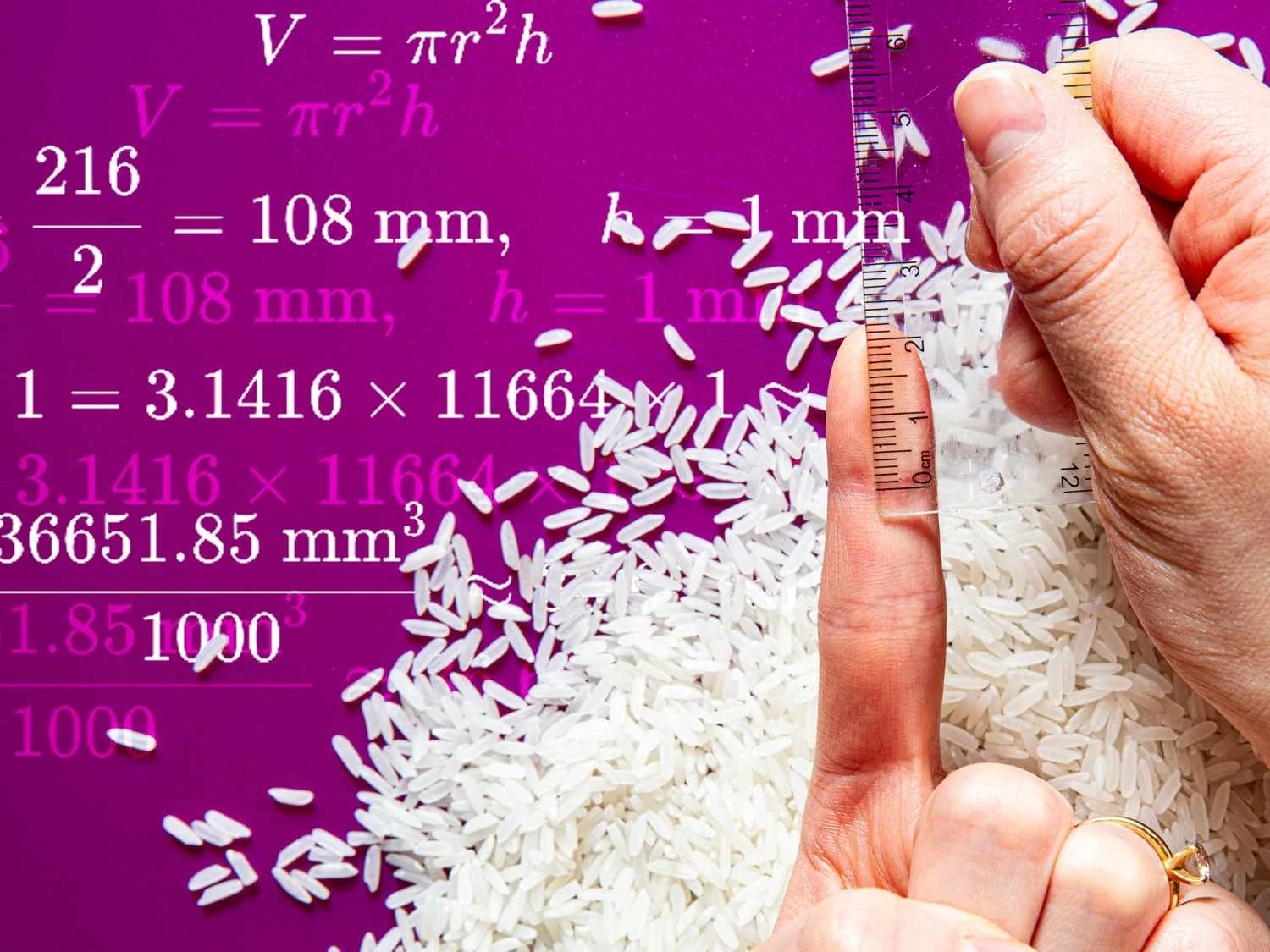
Different rice varieties exhibit unique starch compositions and grain structures that influence cooking results. Long-grain rice varieties, such as basmati and jasmine, contain higher amylose levels, making them ideal for fluffy, separate grains. Medium- and short-grain rice types, such as arborio or sushi rice, have more amylopectin and tend to clump when cooked. Recognizing these characteristics helps select the appropriate rice for fluffy outcomes and tailor cooking methods accordingly.
Chemical and Physical Changes During Cooking
Gelatinization Process Explained
Gelatinization is a critical chemical transformation where heat and water cause rice starch granules to swell and absorb moisture. This process softens the grains and transforms their structure. If gelatinization occurs properly, the rice achieves a tender yet fluffy texture. However, improper gelatinization, often caused by incorrect water ratios or temperature, can result in either mushy or hard rice. Understanding this transformation helps optimize cooking conditions.
How Water Absorption Affects Rice Fluffiness
The amount of water absorbed during cooking directly impacts the texture of the rice. Insufficient water prevents full gelatinization, leaving grains undercooked and hard. Excess water causes the starch granules to burst and release their contents, resulting in sticky, clumpy rice. Achieving fluffy rice requires precise control of water absorption to ensure grains swell adequately without losing their individual structure.
Essential Tips for Achieving Fluffy Rice Every Time
Choosing the Right Rice-to-Water Ratio
One of the most common challenges in cooking fluffy rice is using the correct rice-to-water ratio. The ideal ratio varies by rice type, but generally, long-grain rice requires about 1 part rice to 1.5 or 1.75 parts water. Ratios that are too high lead to mushiness, while too little water results in dry, undercooked grains. Precision in measuring water relative to rice is essential for consistent, fluffy results.
Pre-Cooking Preparation: Washing and Soaking
Rinsing rice before cooking removes excess surface starch, which otherwise causes clumpiness. Washing until the water runs clear helps reduce stickiness and encourages individual grains. Soaking rice for 20-30 minutes prior to cooking hydrates the grains evenly, allowing for more uniform gelatinization. These preparatory steps are simple yet effective in enhancing fluffiness and texture.
Temperature Control and Cooking Time
Maintaining an appropriate temperature during cooking ensures the gelatinization process completes without overcooking. Starting with high heat to bring water to a boil, then reducing to a simmer prevents rice from sticking or burning. Cooking time should be carefully monitored—typically 15-20 minutes for long-grain rice—to avoid mushiness caused by excessive heat or hardness from insufficient cooking. Patience and attention to temperature variations are key factors in perfect cooking.
Common Mistakes and How to Avoid Them
Why Overcooking or Undercooking Happens
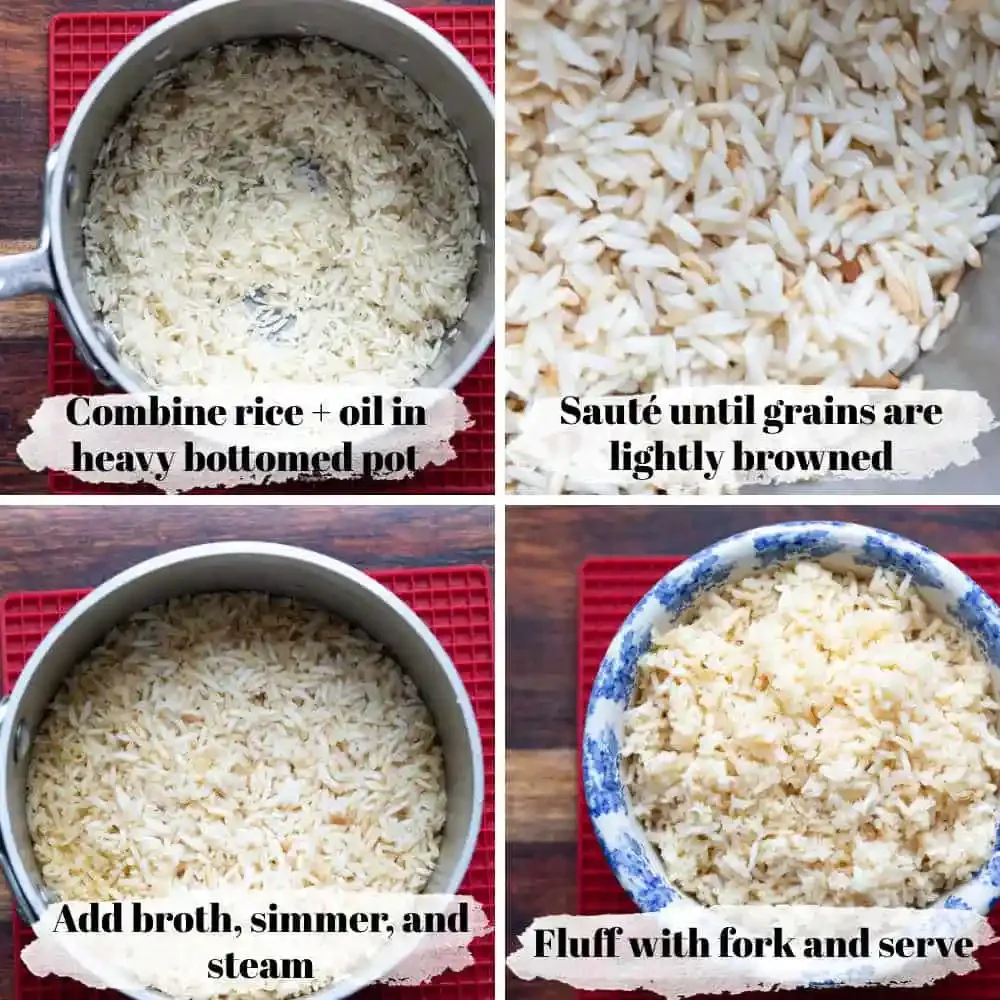
Overcooking occurs when excessive water or heat is applied too long, causing starch breakdown and mushy rice. Conversely, undercooking is often caused by an insufficient water supply, leading to hard, crunchy centers. Both issues arise from misjudgments in timing, water quantity, or heat management. To avoid these problems, closely follow recommended guidelines and adjust based on rice type and equipment used.
The Impact of Using the Wrong Equipment
The type of pot or cooking appliance significantly affects rice quality. Thin-bottomed pans can lead to uneven heat distribution, causing burning or inconsistent cooking. Similarly, improper lids that don’t seal well allow steam to escape, reducing moisture and resulting in dry grains. Using heavy-bottomed pots with tight-fitting lids or specialized rice cookers can mitigate these problems, ensuring steady heat and moisture retention for perfect fluffiness.
Innovative Techniques for Enhanced Fluffiness
Using Steam for Perfect Texture
Steaming rice after the initial cooking phase helps further separate grains and preserves their fluffiness. By allowing residual moisture to distribute evenly without direct water contact, steamed rice avoids sogginess while elevating texture. This technique is especially effective for rice that tends to clump and can be incorporated easily by placing the pot off direct heat and covering it tightly for several minutes post-cooking.
Alternative Cooking Methods: Pressure Cookers and Rice Cookers
Modern appliances such as pressure cookers and electric rice cookers offer reliable consistency in rice texture by controlling temperature and timing precisely. Pressure cookers reduce cooking time and improve water absorption through intense heat and steam pressure, while rice cookers automate the process, adjusting heat automatically and switching to warming mode. These methods minimize human error and produce fluffy rice with less effort, ideal for busy kitchens.
Conclusion: Science-Backed Strategies for Fluffy Rice
Achieving perfectly fluffy rice is both an art and a science, rooted in understanding starch properties, cooking chemistry, and precise technique. Recognizing why starch composition matters, controlling water absorption, and carefully managing heat and timing are essential. Avoiding common pitfalls such as incorrect ratios or unsuitable equipment further ensures success. By applying these science-backed strategies, anyone can consistently enjoy light, fluffy rice that complements any meal.