Introduction to Sugar Crystallization in Candy Making
What is Sugar Crystallization?
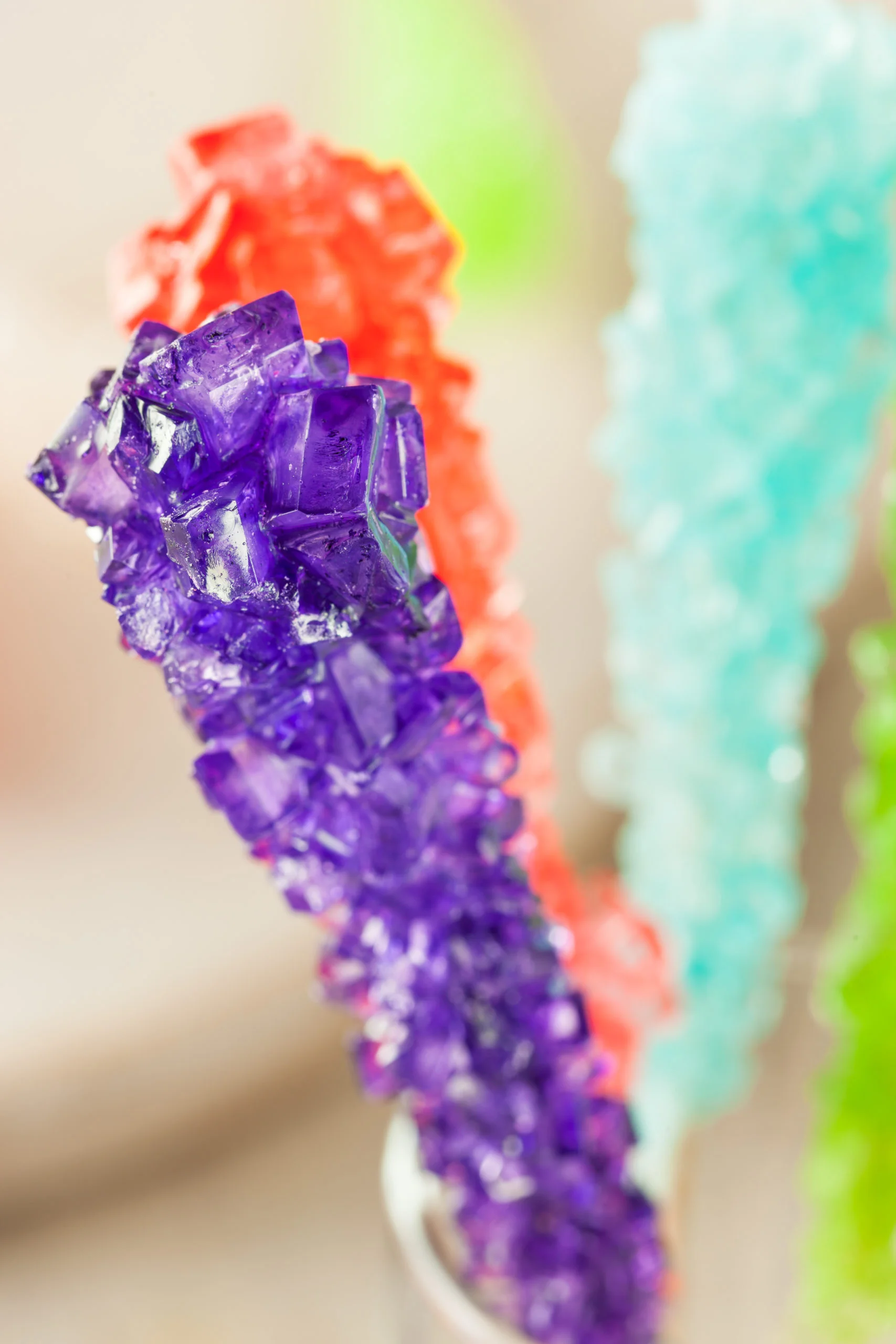
Sugar crystallization is a natural process where sugar molecules in a solution begin to form solid crystals. In the context of candy making, this phenomenon can drastically change the texture and quality of the final product. When sugar crystallizes prematurely or uncontrollably, it results in a grainy or gritty texture rather than the smooth, creamy consistency desired in treats like fudge or caramels. Understanding why and how sugar crystallizes is crucial to mastering candy crafting at home.
Why Controlling Crystallization Matters for Homemade Candy
Imagine spending hours preparing a batch of homemade fudge, only to find it gritty instead of silky. This is the frustration many home candy makers face when sugar crystallization is not properly managed. The importance of controlling crystallization extends beyond just texture; it affects flavor release, shelf life, and even the appearance of the candy. Smooth, well-made candy provides that melt-in-your-mouth experience that keeps family and friends coming back for more.
The Chemistry of Sugar and Its Behavior in Candy Recipes
Sucrose: The Main Sugar in Candy

The primary sugar used in candy recipes is sucrose, a compound made of glucose and fructose molecules. Sucrose is highly soluble in water, which allows it to dissolve and form syrups essential for candy-making. However, as the syrup cools or water evaporates, these sucrose molecules begin to recombine into crystals. The key is managing the environment so that this recrystallization happens evenly or is prevented when a smooth texture is preferred.
How Heat and Temperature Affect Sugar Molecules
Temperature plays a pivotal role in candy success. Heating sugar and water together dissolves the sugar completely, creating a supersaturated solution. As candy cools, the sugar concentration increases, encouraging crystal formation. However, if the temperature is not monitored accurately, the sugar can crystallize too soon or unevenly. For example, heating candy syrup to the soft-ball stage (around 235°F to 240°F) allows it to set properly without becoming hard or grainy.
The Role of Water and Concentration Levels
Water acts as a solvent for sugar, but its quantity and evaporation rate greatly impact crystallization. Too much water dilutes the sugar, preventing it from reaching the necessary concentration for candy to set. Conversely, too little water causes rapid crystallization, often leading to coarse textures. Striking the right balance, combined with controlled heating, enables the formation of fine crystals or, in some recipes, the prevention of crystals altogether.
Common Causes of Sugar Crystallization in Homemade Candy
Impurities and Their Impact
Even small impurities, such as undissolved sugar grains, dust, or leftover residues in the cooking pot, can act as nuclei for unwanted crystallization. These tiny particles provide a surface for sugar molecules to latch onto and start forming large crystals. For example, a wooden spoon with residual sugar crystals from previous use can inadvertently cause a batch to crystallize prematurely, ruining hours of effort.
Stirring Mistakes and Timing Issues
While stirring is essential to dissolve sugar initially, stirring at the wrong time or too vigorously after the syrup has started heating can encourage crystal formation. Stirring after the solution begins to boil can introduce air bubbles and promote the aggregation of sugar crystals. Many experienced candy makers recommend stirring only at the beginning and then letting the syrup boil undisturbed until it reaches the required temperature.
Environmental Factors like Humidity
Humidity is a notorious adversary in candy making. High moisture levels in the air can cause sugar to absorb water, altering the concentration in your candy syrup. This can lead to unexpected crystallization or sticky candy surfaces. For instance, attempting to make hard candy on a rainy day often results in softer, stickier outcomes because the dispersed moisture interferes with the crystallization balance.
Techniques to Prevent Sugar Crystallization
Using Interfering Agents: Corn Syrup and Acidic Ingredients
Corn syrup and acidic ingredients like lemon juice or cream of tartar are common helpers to prevent crystallization. Corn syrup contains glucose molecules that interfere with sucrose molecules’ ability to crystallize, promoting a stable, smooth texture. Similarly, acids break down some sucrose into glucose and fructose, disrupting crystal formation. Many fudge recipes, for example, rely on these additives to maintain their creamy consistency.
Proper Heating and Temperature Control
Consistently monitoring temperature and heating the syrup to the correct stage is essential. Using a reliable candy thermometer helps candy makers reach precise temperatures – whether the soft-ball, firm-ball, or hard-crack stages – preventing premature crystallization. Learning to recognize visual clues, like the syrup’s viscosity and color changes during heating, also assists in avoiding mistakes.
The Art of Controlled Stirring and Cooling
After dissolving sugar initially, letting the syrup cook undisturbed is often the best approach. Once off the heat, controlled stirring during cooling can shape crystal size. For instance, gently beating fudge as it cools encourages tiny crystal formation, giving it a smooth texture. Patience is key; rushing the cooling process or stirring too aggressively can promote a coarse, grainy consistency.
Scientific Methods to Test and Ensure Smooth Candy Texture
Using a Candy Thermometer Effectively
A candy thermometer is a home candy maker’s best scientific tool. Precise temperature measurement ensures that the sugar solution reaches the desired stage, essential for the final texture. For example, reaching the soft ball stage indicates a syrup consistency ideal for fudge, while higher temperatures are used for brittles or hard candy. Regular calibration and correct placement of the thermometer tip prevent inaccurate readings.
Appearance and Texture Indicators
Aside from temperature, visual and tactile signs help confirm smooth candy. A shiny, glass-like appearance usually signifies well-controlled crystallization. When making fudge, texture tests such as pressing a small amount of cooled candy between fingers to check for grittiness can reveal whether crystallization has occurred. Over time, experience teaches subtle cues that instruments alone can’t provide.
Conclusion: Mastering Candy Making Through Science
The art of candy making is deeply intertwined with the science of sugar crystallization. By understanding the chemistry behind how sugar behaves, the influence of heat, water, and impurities, and applying precise techniques, home candy makers can transform frustration into success. Small adjustments—like using corn syrup, proper temperature control, and patience in stirring—turn homemade candy from a gamble into a guaranteed delight. With practice and attention to scientific principles, anyone can create smooth, mouthwatering treats that impress both family and friends.