Understanding Bread Staling: The Scientific Process
What Happens When Bread Goes Stale?
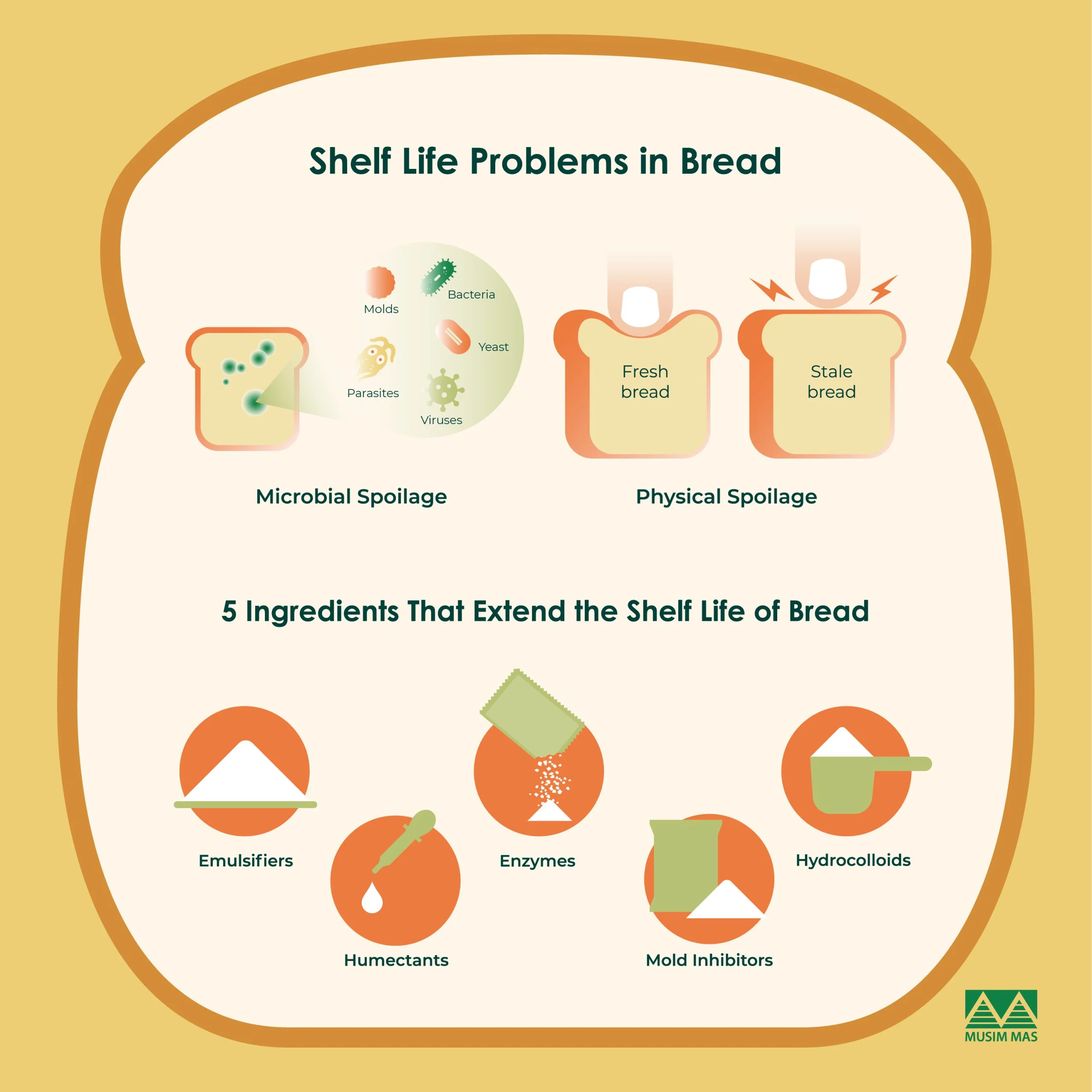
Bread staling is a natural process that leads to changes in texture and flavor, making fresh bread lose its softness and become dry or crumbly. Contrary to what many believe, staling is not simply bread drying out; rather, it involves complex chemical and physical changes within the bread. As bread ages, the moisture redistributes unevenly, and the internal structure begins to alter, causing the distinct stale texture.
The Role of Moisture Migration in Bread Staling
Moisture plays a crucial role in maintaining the freshness of bread. As time passes, moisture migrates from the soft interior crumb to the crust, which can make the crust soggy while the crumb becomes dry. This moisture movement is a gradual process influenced by environmental conditions such as temperature and humidity. The imbalance caused by moisture migration is a key factor that accelerates the perception of staleness.
Retrogradation of Starch: The Key Chemical Reaction
One of the primary scientific mechanisms behind bread staling is starch retrogradation. Starch molecules in the bread gelatinize during baking, and as the bread cools and ages, these molecules begin to recrystallize. This recrystallization causes the crumb to firm up and lose its initial softness. Starch retrogradation can happen even if the bread is kept moist, which explains why softness diminishes over time regardless of how carefully it is stored.
Factors Influencing Bread Freshness
Impact of Ingredients on Shelf Life
The composition of bread affects how long it stays fresh. Bread made with higher moisture content or enriched with fats and sugars generally remains soft longer because these ingredients slow down starch retrogradation. Conversely, lean breads with few additives tend to stale more quickly. Some breads may also include preservatives that inhibit mold and delay staling, extending shelf life significantly.
How Storage Conditions Accelerate or Delay Staling
Storage environment is a major determinant of bread freshness. Higher temperatures can speed up chemical reactions, including starch crystallization, leading to faster staling. Similarly, very dry or very humid conditions can negatively impact moisture balance, either drying the bread out or making it soggy. Ideal storage balances temperature and humidity to minimize moisture migration and staling reactions.
Effect of Bread Type and Texture
Different types of bread stale at varying rates depending on their texture and thickness. For instance, dense breads like rye or pumpernickel maintain moisture better and stay soft longer than lighter, airier breads such as baguettes. The thickness of the crust also plays a role; thick crusts can protect the crumb but may absorb moisture from the crumb faster, influencing overall freshness.
Effective Techniques to Keep Bread Fresh Longer
Optimal Storage Methods: Temperature and Humidity
Maintaining an ideal environment for bread storage is essential to slowing down staling. Bread should be stored at room temperature, ideally around 20°C (68°F), in a moderately humid place. Avoid refrigeration unless absolutely necessary, as cold temperatures accelerate starch retrogradation, which makes bread stale more quickly. A cool, dry cupboard or breadbox often provides the best conditions.
Using Wrapping and Packaging to Retain Moisture
Proper wrapping helps retain moisture while protecting bread from external drying. Materials such as plastic wrap, reusable food bags, or airtight containers can preserve softness by preventing moisture loss. However, excessive sealing in plastic may cause the crust to become soft or soggy, so choosing the right packaging depends on the bread type. Paper bags allow some airflow, which helps maintain crust crunchiness but may lead to faster crumb drying.
Freezing Bread: Best Practices for Preservation
Freezing is one of the most effective ways to extend bread’s freshness for weeks or even months. To freeze bread properly, slice it first to enable thawing only what you need. Wrap the slices tightly in plastic wrap or foil, then place them in a freezer-safe bag to minimize freezer burn. When ready to eat, thaw slices at room temperature or toast them directly from frozen for best texture and flavor.
Innovations and Trends in Bread Preservation
Modern Additives and Natural Preservatives
Advancements in food science have introduced additives, both synthetic and natural, that slow down spoilage and staling. Ingredients like enzymes, emulsifiers, and organic acids inhibit microbial growth and retard starch retrogradation. Simultaneously, there is a growing demand for natural preservatives such as vinegar, cultured wheat flour, and certain plant extracts, which offer extended shelf life without artificial chemicals.
Advances in Packaging Technology
Packaging technology continues to evolve, focusing on creating environments that maintain freshness longer. Modified atmosphere packaging (MAP) adjusts the levels of gases like oxygen and carbon dioxide inside bread packaging to slow microbial growth and chemical changes. Additionally, breathable films and antimicrobial coatings are emerging as solutions to balance moisture retention and prevent mold, keeping bread fresher during transportation and storage.
Common Myths About Bread Freshness Debunked
There are several misconceptions surrounding bread staling. One common myth is that refrigeration preserves bread better; in reality, cold temperatures hasten staling. Another misconception is that stale bread is harmful—while texture changes occur, stale bread is generally safe to eat unless mold is present. Some believe that freezing damages bread’s quality, but if done correctly, freezing preserves freshness much better than room temperature storage. Understanding these facts helps in making better choices for bread storage and consumption.