Understanding the Basics of Bread Rising
The Role of Yeast in Bread Making
At the heart of every loaf that rises is yeast, a living microorganism that ferments the sugars in your dough. This fermentation process produces carbon dioxide gas, which gets trapped in the stretchy web of gluten, causing the dough to expand and rise. Without this tiny but mighty ingredient, your bread would remain flat and dense.

How Gluten Structure Supports Dough Expansion
Gluten, formed when water interacts with wheat proteins, provides the essential elasticity and strength needed for dough to hold the gas bubbles created by yeast. Think of gluten like a balloon’s rubber skin—it stretches as the gas inflates it but keeps it from bursting. This balance is crucial for achieving that soft, airy crumb we crave in homemade bread.
The Importance of Fermentation Time and Temperature
Fermentation isn’t just about letting the dough sit around. Time and temperature are critical here. Yeast activity speeds up in moderately warm environments, around 75–85°F (24–29°C). Too cold, and yeast slows down, leading to sluggish rises; too hot, and yeast can die off, stopping the rising process altogether. Patience is key, as the dough needs enough time to develop flavor and structure through fermentation.
Common Scientific Reasons for Flat Homemade Bread
Inactive or Dead Yeast: Causes and Detection
One of the most frequent reasons homemade bread won’t rise is using yeast that’s no longer alive. Yeast can die from improper storage, using water that’s too hot, or simply being old. When yeast is inactive, it cannot produce the necessary gas to expand the dough, leaving you with a dense loaf. You can often detect this by trying to “proof” your yeast in warm water with a pinch of sugar. If it doesn’t foam or bubble after several minutes, the yeast has lost its potency.
Incorrect Dough Hydration Levels
Getting the liquid ratio wrong can sabotage your dough rise. Too little water results in a stiff dough that resists expansion, while too much creates a slack, sticky dough unable to trap gases properly. Achieving the right balance is a subtle science; it influences gluten development and yeast activity alike.
Under-Kneading and Its Effect on Gluten Development
Kneading is the step where you develop the gluten network. If you stop too soon, the dough lacks strength and elasticity, so it cannot hold the carbon dioxide produced by yeast. This underdeveloped gluten causes the dough to collapse or remain flat because there’s nothing strong enough to trap the rising gas.
Too Much Salt or Sugar: Impact on Yeast Activity
While both salt and sugar are important for flavor and controlling yeast, too much can inhibit yeast activity. Excess salt pulls water away from yeast cells, suffocating them, while an overload of sugar can create a dehydrating environment, limiting fermentation. Striking the correct balance is crucial to ensure your yeast thrives.
Environmental Factors: Temperature and Humidity
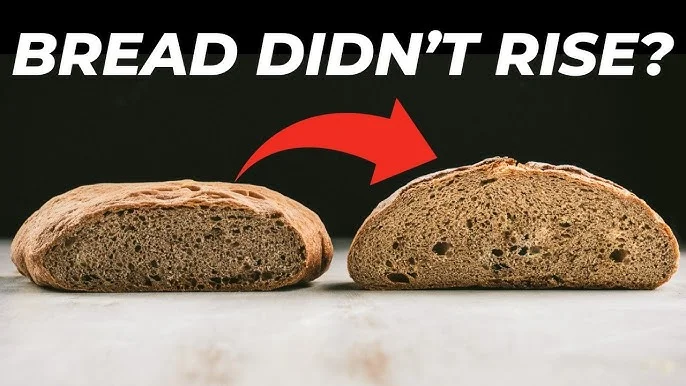
The ambient conditions around your dough play a silent but powerful role. Low temperatures slow down yeast, while excessively warm environments might kill it. High humidity can make dough stickier and harder to work with, while dryness may dry out the surface, creating a crust too early and preventing proper rising. Understanding and controlling these factors can improve your bread’s success.
Troubleshooting Guide: Diagnosing Your Dough
Identifying the Stage Where Rising Fails
Is your dough failing to rise during the initial fermentation, or does it collapse after shaping? Recognizing this can help pinpoint the problem. A dough that doesn’t rise at all may indicate dead yeast or wrong temperature, while a dough that falls after rising could suggest overproofing or weak gluten.
Testing Yeast Viability at Home
Before mixing your dough, it’s smart to test your yeast. Dissolve yeast in warm water with a little sugar and wait up to 10 minutes. A frothy, bubbly surface indicates yeast is active. If nothing happens, it means your yeast is probably dead and needs replacing.
Adjusting Ingredient Ratios for Optimum Rise
If your bread consistently turns out dense or flat, consider tweaking your recipe. Gradually increase hydration if dough feels stiff, or reduce salt if you suspect it’s hindering yeast. Try smaller sugar adjustments too. Often, small changes lead to better chemical reactions and a more effective rise.
Scientific Tips to Fix and Improve Dough Rising
Activating Yeast Properly with Warm Water and Sugar
Yeast activation is about creating the perfect welcoming environment. Using water around 100°F (38°C) and a small amount of sugar feeds the yeast and wakes it from dormancy. This step jump-starts fermentation, helping your dough rise more reliably.
Techniques for Proper Gluten Formation
Gluten doesn’t just form by chance; it needs time, kneading, and sometimes resting periods known as autolyse. Mixing flour and water first and letting them sit encourages gluten chains to develop more easily. Follow this with patient kneading to build a strong elastic network that supports a good rise.
Controlling Proofing Environment for Best Results
Creating a warm, humid proofing space can transform your dough rising process. Cover your dough with a damp cloth and place it in a draft-free, warm spot. Some bakers even use proofing boxes or warm ovens (turned off). Consistency in temperature and humidity accelerates fermentation and prevents crust formation too soon.
Using Dough Enhancers: Pros and Cons
Commercial dough enhancers can improve rising and dough handling by strengthening gluten or providing additional fermentation aids. However, they’re not always necessary and may introduce additives that some prefer to avoid. Understanding when and how to use these products can help improve bread without sacrificing homemade quality.
Expert Advice: Advanced Bread Rising Techniques
The Science of Sourdough Starters vs Commercial Yeast
Sourdough starters rely on wild yeast and lactobacilli, creating a more complex flavor profile and different rising behavior than commercial yeast. While sourdough fermentation takes longer and can be less predictable, it yields bread with a distinctive chewy texture and tangy flavor supported by a strong gluten network formed over time.
Impact of Different Flour Types on Dough Structure
Not all flours are created equal when it comes to rising. High-protein bread flour develops stronger gluten networks than all-purpose or whole wheat flour, which has less gluten-forming potential. Mixing flours or choosing higher-gluten varieties can enhance dough elasticity and improve your loaf’s height and crumb.
How Enzymes and Oxidation Affect Bread Volume
Enzymatic activity during fermentation breaks down starches into sugars, feeding yeast and contributing to gas production. Controlled oxidation, often introduced through mixing, strengthens gluten but too much can weaken it. Balancing these chemical processes is a nuanced science that impacts your bread’s rise and texture profoundly.