Understanding the Basics of Deglazing
What is Deglazing?
Imagine you’ve just seared a thick steak or sautéed vegetables, and your pan is covered with those dark, flavorful bits stuck to the bottom. Deglazing is the culinary technique of adding liquid to a hot pan to dissolve these caramelized fragments, known as fond, creating a rich base for sauces. It’s a simple yet transformative step that turns leftover drippings into a sauce that elevates any dish.

The Chemistry Behind Deglazing
At its core, deglazing is about unlocking the Maillard reaction’s flavor magic. When food cooks at high heat, proteins and sugars react to form complex, browned residues. These bits cling to the pan and contain intense flavor. By adding a hot liquid—often acidic like wine or vinegar—you break their bonds, dissolving them back into a sauce. The acid helps dissolve these compounds while the heat encourages evaporation and reduction, intensifying the taste. This process enhances depth and layers of flavor, turning simple pan drippings into something extraordinary.
Essential Tools and Ingredients for Deglazing
Choosing the Right Pan
The pan you use greatly affects the deglazing process. Heavy-bottomed pans such as stainless steel skillets or cast iron are ideal because they withstand high heat without warping and develop fond reliably. Non-stick pans, while great for many tasks, often do not produce the same flavorful fond because their coating prevents food from sticking and browning adequately. For example, when I use my stainless steel pan for chicken breasts, the fond forms perfectly, making the deglazing process more flavorful and rewarding.
Liquid Options: Wines, Stocks, and More
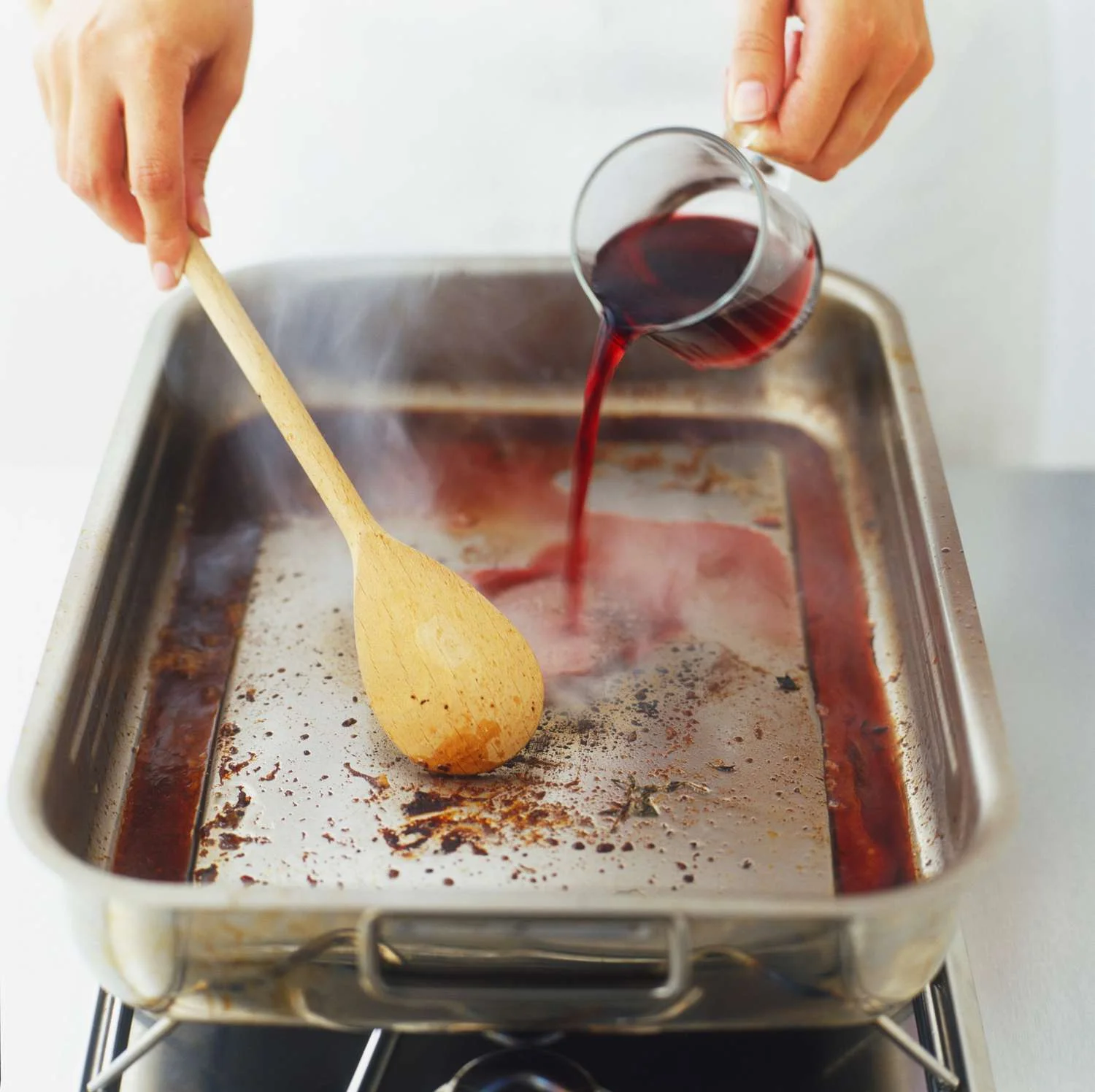
Choosing the right liquid to deglaze with is crucial to the final flavor of your sauce. Classic options include dry white or red wines, which add acidity and complexity. Stocks, whether chicken, beef, or vegetable, contribute body and savoriness. Sometimes even vinegar, beer, or citrus juice can be used, depending on the profile you’re after. I recall a family dinner where I deglazed a pan with apple cider vinegar and chicken stock after roasting pork chops, which lent a bright but rich tang that complemented the meat beautifully.
Step-by-Step Deglazing Techniques
Preparing Your Pan for Deglazing
After cooking your protein or vegetables, remove them from the pan but don’t wipe it clean. The fond left behind is your flavor treasure. Ensure the pan remains hot but not smoking, to avoid burning the residues. If your pan has excessive fat, you may spoon some out, leaving just a thin layer to coat the pan and help dissolve the fond. This setup is essential; I learned this the hard way when I tried deglazing a greasy sear and ended up with a cloudy, greasy sauce instead of a smooth one.
Adding Liquids Correctly
Pour your chosen liquid slowly into the hot pan, tilting or swirling to scrub up the fond bits using a wooden spoon or spatula. Be cautious as the liquid will steam rapidly, potentially splattering. The temperature should be high enough for the liquid to bubble gently but not boil aggressively, which can cause the sauce to reduce too quickly or develop bitter notes. This careful balance was apparent in a recent kitchen experiment where adding wine too fast led to a burnt taste, reminding me how important pace and heat control are.
Incorporating Aromatics and Flavor Enhancers
Once the fond is dissolved and the liquid is simmering, this is the perfect moment to add aromatics like shallots, garlic, or herbs. These ingredients infuse the sauce with complexity. Additionally, a splash of mustard, a knob of butter, or a sprinkle of fresh herbs can add silkiness and freshness. In one memorable dinner, adding minced garlic and thyme during deglazing helped lift a simple pan sauce into an aromatic finishing touch that brightened roasted chicken.
Elevating Your Pan Sauces
Balancing Acidity and Sweetness
Creating a balanced sauce involves more than just evaporating liquid. Acidity from wine or vinegar adds brightness but can become overpowering without a touch of sweetness. This sweetness might come naturally from caramelized onions or be added with a small spoonful of honey, sugar, or even balsamic vinegar. Many times, when a sauce tastes too sharp, a subtle sweetness can round it out and make it more approachable, as I discovered when perfecting a sauce for pan-seared duck breast.
Thickening and Finishing Touches
To achieve a luscious sauce consistency, you can reduce it further by simmering or whisk in a finishing touch like cold butter to create a velvety texture. Another technique is to add a slurry of cornstarch and water for quicker thickening, though this can alter the sauce’s clarity. Also, seasoning at the end—salt, pepper, fresh herbs—ensures flavors are vibrant and well balanced. I often finish my sauces with a pat of butter and a sprinkle of chopped parsley to add richness and fresh color.
Common Mistakes and How to Avoid Them
Overcooking and Burning the Fond
One frequent pitfall is allowing the fond to burn before or during deglazing. This can impart a bitter taste that ruins the sauce. It often happens if the pan is too hot or if you let the residue sit too long without adding liquid. To avoid this, maintain medium-high heat and act quickly after cooking your protein. When I first started cooking, I learned that patience and attentiveness during the transition from searing to deglazing are key to preserving the fond’s flavors.
Using the Wrong Liquids
Not all liquids are suitable for deglazing. Using heavy cream, for example, can curdle when added to a hot pan before fond extraction. Similarly, sweet wines or juices that are too sugary can create an unbalanced sauce. Moreover, cold liquids added to a hot pan can reduce the cooking temperature abruptly, preventing fond release. I once tried deglazing with cold broth straight from the fridge and noticed the sauce lacked the depth I expected. Pre-warming liquids or choosing appropriate acidic, watery liquids ensures a smooth process.
Creative Applications of Deglazing in Cooking
From Simple Sauces to Complex Reductions
Deglazing is not merely for quick pan sauces—it can be the foundation for intricate reductions and gravies. Starting with deglazing, you can layer flavors by gradually reducing the liquid, adding complementary stocks, herbs, and even finishing with cream or spirits like brandy. A memorable example is a coq au vin where the initial deglazing with red wine created a rich and complex base for the slow braised chicken and vegetable sauce, resulting in deep, harmonized flavors.
Pairing Deglazed Sauces with Different Proteins
Pan sauces are incredibly versatile and can be tailored to suit various proteins. A light white wine and lemon deglaze pairs beautifully with fish or chicken, bringing brightness without overpowering. For beef or lamb, richer options like red wine or beef stock provide depth. When cooking pork, apple cider or beer offer complementary sweetness and acidity. Experimenting with different liquids and herbs can create customized sauces that enhance the meat’s natural flavor. For instance, after pan-searing scallops, I often deglaze with a splash of dry white wine and finish with butter and tarragon for a delicate, aromatic sauce.