Mastering the Art of Crepe Folding
Choosing the Right Pan and Tools
Starting your crepe journey with the right equipment makes a world of difference. A non-stick crepe pan or a flat skillet with low edges is ideal, allowing you to spread the batter evenly and flip the crepe without struggle. A thin spatula or a wooden crepe spreader helps create paper-thin layers that cook uniformly. Using these tools ensures your crepes cook evenly and stay intact, setting the stage for flawless folding later.
Preparing the Batter to Prevent Tears
The secret to tear-resistant crepes lies heavily in the batter. Achieving the right balance of flour, eggs, milk, and a touch of melted butter creates a smooth, elastic mixture. It’s important to let the batter rest for at least 30 minutes; this allows the gluten to relax and the starches to swell, resulting in a more flexible crepe that won’t break apart when folded. Avoid lumps by whisking thoroughly or blending the batter for a silky consistency.
Essential Techniques for Thin, Flexible Crepes
Pouring batter evenly and spreading it quickly is an art in itself. Tilt the pan immediately after pouring a small amount of batter to cover the surface in one thin layer. Cooking crepes over medium heat prevents them from becoming brittle. As edges lift naturally, use your spatula to gently loosen the crepe from the pan to ensure it slides easily without sticking or tearing. The thinner and more flexible the crepe, the easier it folds without cracking.
Step-by-Step Guide to Perfectly Folding Crepes
Folding Methods: Triangles, Rolls, and Envelopes
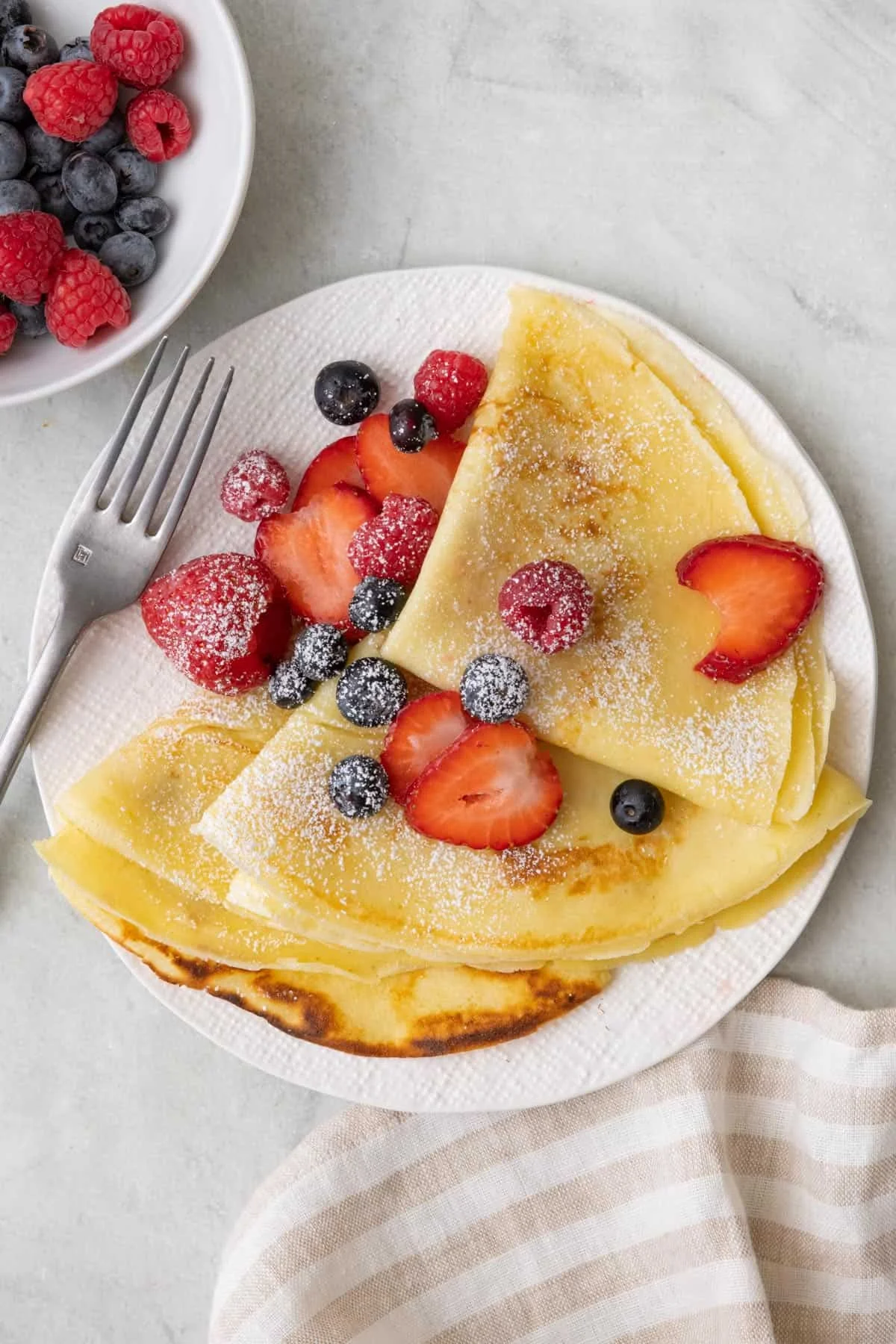
Once the crepe is cooked, folding it properly highlights your culinary finesse. Triangular folds start by folding the crepe in half, then in half again to form a neat triangle. Rolled crepes involve adding the filling along one edge and gently rolling it up like a cylinder. Envelope folds require folding the sides inward to cover the filling before folding from top to bottom, creating a tidy, pocket-like shape. Each method has its charm and suits different fillings, allowing you to tailor your presentation.
Common Folding Mistakes and How to Avoid Them
One frequent error is folding the crepe while it’s still too hot or sticky, which can cause tearing. Always allow the crepe to cool for a few moments on a plate before folding. Overfilling is another trap; too much filling puts pressure on the delicate crepe, leading to breakage. Moderation is key. Lastly, handling crepes roughly or using dull utensils can harm their texture—handle with gentle confidence, and the crepe will respond beautifully.
Cooking Tips for Crepes That Don’t Tear
Optimal Heat Settings for Even Cooking
Temperature control is crucial. Medium heat facilitates even cooking without burning the edges or leaving the center undercooked. Too high heat can make the crepe crisp and brittle while too low heat results in gaps between cooked and raw areas. With practice, your pan’s “sweet spot” becomes second nature, and your crepes will cook with a perfect balance of softness and structure, ready for seamless folding.
Timing: Knowing When to Flip Crepes
Flipping at the right moment is an essential skill. Watch for the edges to dry and lift slightly from the pan, and the surface to lose its wet shine—this signals readiness. Flipping too early might tear the crepe, while waiting too long may cause it to become rigid. Practice patience and confidence; the flip should be swift but gentle, ensuring the crepe remains whole and pliable for the fold.
Handling Crepes with Care Post-Cooking
Once cooked, place crepes on a warm plate and cover loosely with foil or a clean kitchen towel. This keeps them soft and prevents drying out, which contributes to cracking when folded. Stacking crepes with parchment paper between layers also helps maintain moisture and makes handling easier. When adding fillings or folding, gently lift and support the crepe fully to avoid accidental tears.
Creative Serving Ideas to Showcase Your Skill
Sweet vs Savory Crepe Fillings
Crepes are wonderfully versatile, lending themselves to both sweet and savory creations. For sweet enthusiasts, classic combinations include fresh fruit, Nutella, whipped cream, or lemon and sugar. On the savory side, consider fillings like ham and cheese, sautéed mushrooms, or smoked salmon with cream cheese. Each filling brings unique textures and flavors, making your folded crepes not just a dish, but an experience.
Presentation Techniques for Impressing Guests
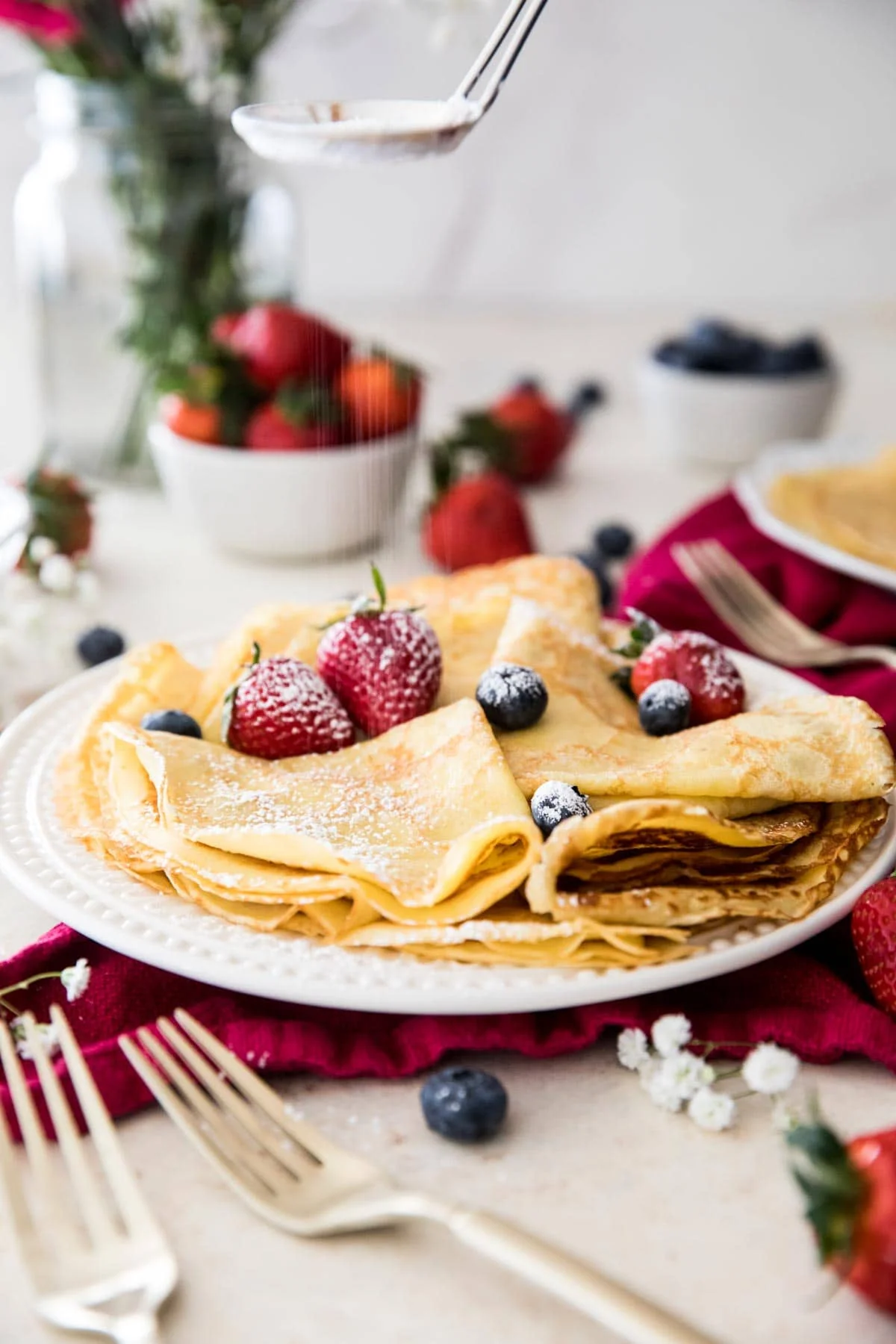
How you present crepes elevates them from simple treats to culinary art. Use fresh garnishes like mint leaves or edible flowers for a pop of color. Drizzle sauces in delicate patterns or dust crepes with powdered sugar or cocoa for added finesse. Serving crepes stacked or fanned on a plate showcases your folding skills while tempting guests with a beautiful spread. These little touches highlight the care and mastery behind every fold and flip.