Why Dishwasher-Safe Kitchen Tools Are Essential for Modern Cooking
Imagine after a busy day you prepare a delicious homemade dinner, juggling multiple pots, pans, and utensils. The last thing you want is to spend excessive time scrubbing stubborn food residues off your kitchen tools. This is where dishwasher-safe kitchen tools become game-changers in everyday cooking. They allow you to focus on the joy of cooking without the dread of cleanup.
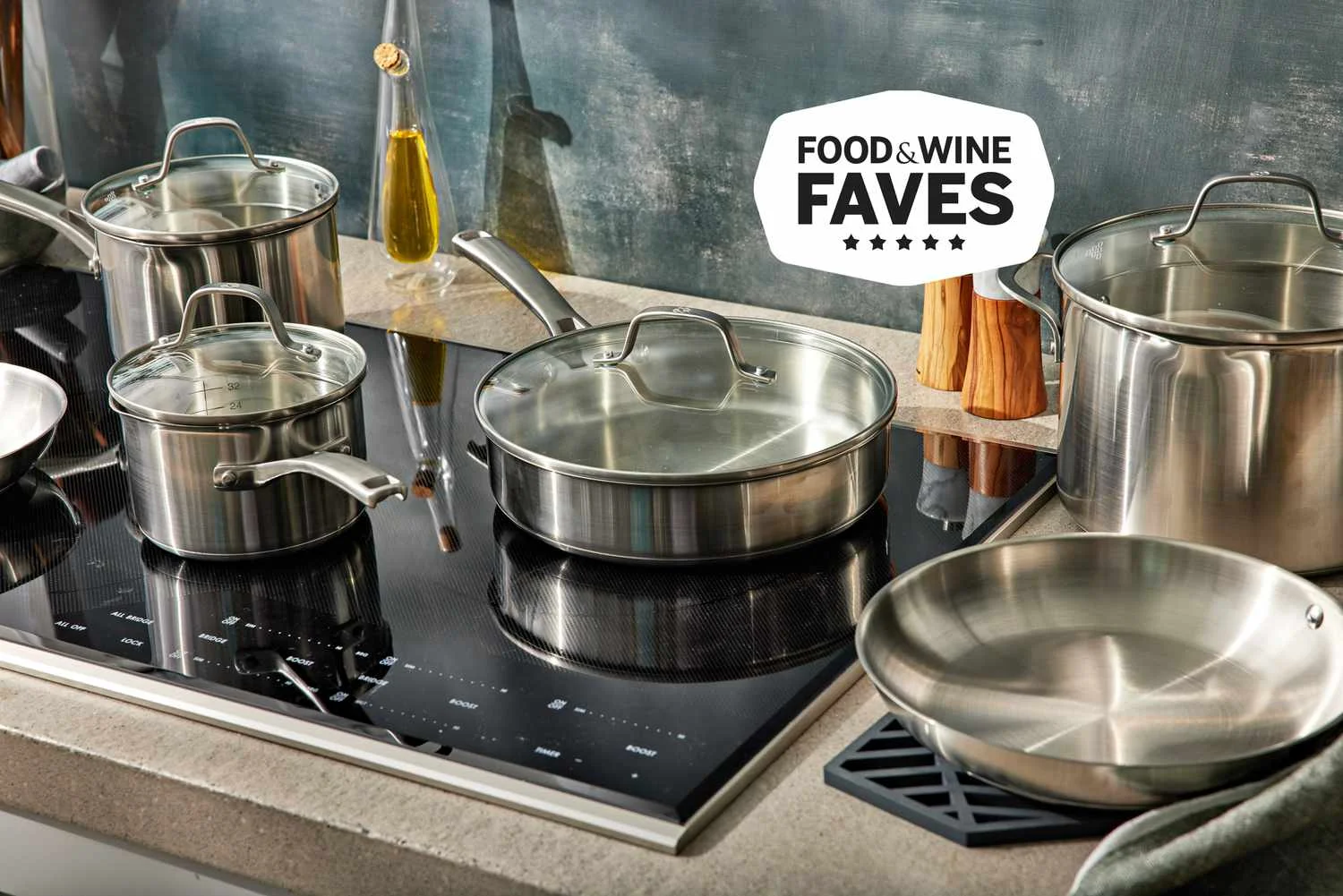
These tools are designed to withstand the high temperatures and strong detergents inside a dishwasher, making the post-meal cleanup faster and more hygienic. As modern lifestyles grow busier, having kitchen equipment that saves time and effort is not just a luxury but a necessity. Whether you’re a home cook or a professional chef, incorporating dishwasher-safe tools streamlines your workflow and helps maintain a spotless kitchen environment.
Key Features to Look for in Dishwasher-Safe Kitchen Tools
Material Considerations
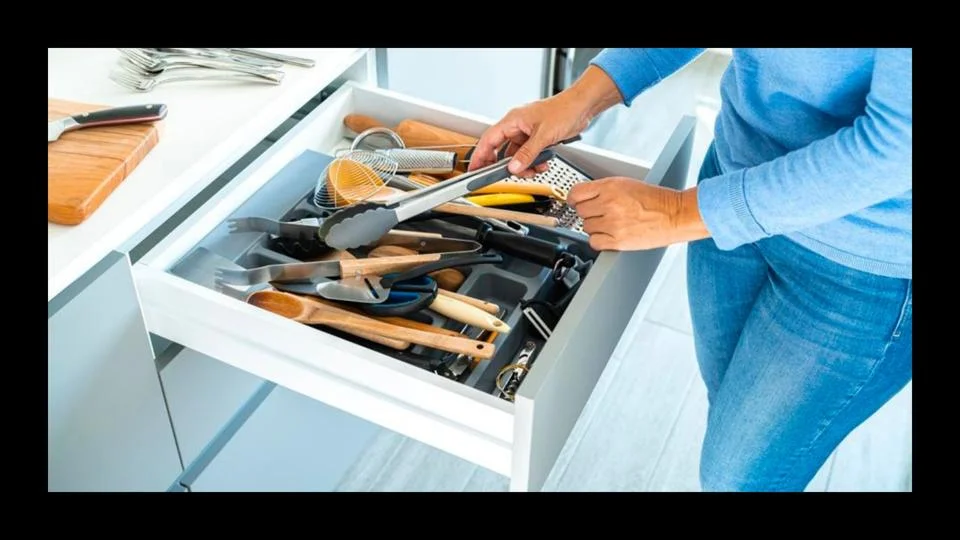
Choosing the right material is crucial when looking for dishwasher-safe tools. Stainless steel is a popular choice due to its resilience and resistance to rust, making it durable enough to endure multiple dishwasher cycles. High-grade plastics labeled BPA-free often work well too, but it’s important to verify their dishwasher compatibility, especially on heated drying cycles.
For example, silicone has become a favorite material as it flexes without cracking under dishwasher heat. On the other hand, wooden utensils are typically not dishwasher safe since water and heat can cause them to warp or crack, leading to a shorter lifespan.
Design and Durability
Beyond material, the design plays a key role in dishwasher safety. Seamless construction reduces crevices where food debris can hide and cause washing inefficiencies. Tools with detachable parts or moving joints, like kitchen scissors, should be designed to withstand water pressure without loosening or rusting.
Durability in design also means resistance to fading and warping, which ensures that your tools retain their appearance and function after repeated washes. Look for tools explicitly marked dishwasher-safe on their packaging or product details to avoid surprises after purchase.
Safety and Heat Resistance
Dishwashers subject kitchen tools to hot water and drying temperatures often exceeding 140°F. Therefore, heat resistance is vital to prevent warping or melting. Silicone and stainless steel stand out for holding their shape under these conditions. Additionally, non-toxic coatings or finishes free from harmful chemicals ensure that no toxic residues contaminate your food during cooking or cleaning.
For instance, a silicone spatula with a heat-resistant core can safely go from stovetop to dishwasher without any compromise, unlike cheaper plastic alternatives that could melt or soften.
Top Dishwasher-Safe Tools That Streamline Cleanup
Cutting Boards and Utensils
Cutting boards made from durable plastic or composite materials designed for dishwasher use are a practical asset. Unlike wooden boards, they withstand water immersion without cracking or absorbing odors. Many modern cutting boards also come in multiple vibrant colors, allowing you to designate specific boards for meats, vegetables, or bread to avoid cross-contamination.
Similarly, utensils like slotted spoons, ladles, and spatulas crafted from stainless steel or high-quality silicone are perfect for dishwasher cleaning. For example, a silicone slotted spoon that you’ve used for scooping tomato sauce can be effortlessly cleaned without worrying about sauce stains bonding into the material.
Mixing Bowls and Measuring Cups
Metal or sturdy plastic mixing bowls designed for dishwasher use save considerable post-baking cleanup time. Instead of hand washing batter residue or sticky soap mixtures, you simply rinse and stack them in the dishwasher. Measuring cups and spoons made from stainless steel or dishwasher-safe plastic also benefit from this, especially after preparing sticky ingredients like honey or molasses that typically require soaking by hand.
Many home cooks enjoy using nestable mixing bowls for easy storage and quick dishwasher loading, which maximizes efficiency both in the kitchen and during cleanup.
Silicone Baking Accessories
Silicone is remarkable for its non-stick qualities and durability. Baking mats, cupcake molds, and spatulas made from silicone often boast dishwasher-safe ratings, making cleanup a breeze. Instead of scrubbing flour and dough from pans, you simply remove these accessories and place them in the dishwasher.
One baker shared how switching to silicone muffin liners saved her nearly 10 minutes per baking session on cleanup alone, a small win that adds up over time, especially during holiday seasons when baking frequency increases.
Knives and Kitchen Scissors
While many knives and scissors are best hand washed to maintain their edge and prevent rust, several modern brands now offer dishwasher-safe options with special protective coatings or stainless steel alloys. For instance, some kitchen scissors have detachable blades designed to be dishwasher-friendly, saving time on sterilization after handling raw poultry or seafood.
However, it’s still crucial to read manufacturer guidelines to avoid damage. Pro cooks often keep their high-end chef’s knives out of the dishwasher but rely on dishwasher-safe paring knives or shears for rapid cleanup when multitasking in busy kitchens.
Pro Tips for Maximizing Dishwasher Efficiency with Your Tools
Loading Strategies for Optimal Cleaning
How you arrange dishwasher-safe tools in your machine impacts their cleanliness and lifespan. Placing utensils in the designated basket handles up or down depending on shape ensures thorough water spray contact. Larger items, like cutting boards, should be placed along the sides or back where water pressure is strongest without blocking detergent flow.
A common mistake is overcrowding the dishwasher, which traps food particles between tools and reduces washing effectiveness. Practice rotating your tools’ positions occasionally if you notice persistent residue buildup.
Maintenance Tips to Extend Tool Life
Even dishwasher-safe tools benefit from occasional maintenance. Rinse utensils immediately after use to prevent hardened food from sticking, which can be challenging for the dishwasher to remove. Periodically inspect tools for wear or cracks, especially silicone and plastic items, as damaged surfaces can harbor bacteria.
For metal tools, applying a light coat of food-safe mineral oil occasionally helps prevent rust, even with dishwasher use. Be mindful to avoid high-heat drying cycles if your tools begin showing signs of stress—air drying or towel drying can be gentler.
By selecting the right dishwasher-safe kitchen tools and practicing smart loading and maintenance, you can significantly reduce your time spent on kitchen cleanup while keeping your tools in excellent condition for years to come.