Introduction to Southeast Asian Street Food
Historical Origins and Early Influences
Southeast Asian street food has a rich tapestry woven from centuries of cultural exchanges and migrations. Its origins trace back to bustling marketplaces and roadside vendors, where simple, affordable meals were prepared and sold to workers and travelers. Early influences include indigenous cooking techniques combined with elements brought by Chinese, Indian, and Arab traders, creating a unique culinary blend. This fusion laid the foundation for the dynamic street food scene that thrives today.
Defining Characteristics of Street Food in the Region
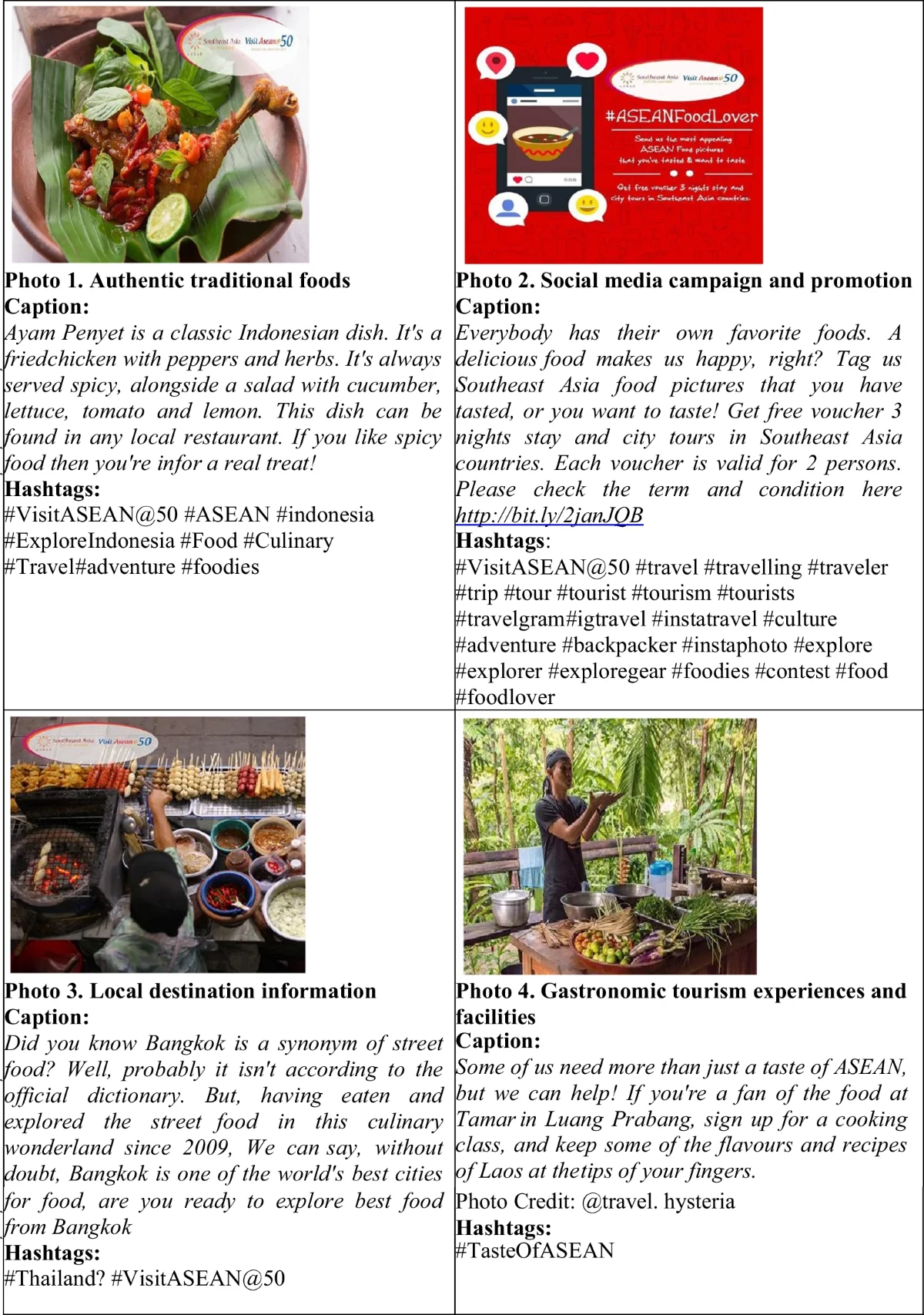
Street food in Southeast Asia is characterized by its vibrant flavors, accessibility, and convenience. Typically, dishes feature bold spices, fresh herbs, and locally sourced ingredients, often prepared quickly to cater to busy crowds. The simplicity of preparation, combined with the complexity of taste profiles, makes these foods both affordable and deeply satisfying. Moreover, street food is not just about eating; it’s about experiencing culture through food that’s intimately connected to everyday life.
Regional Diversity in Street Food Culture
Distinct Flavors and Ingredients Across Countries
Each Southeast Asian country offers a distinctive approach to street food, shaped by geography and cultural heritage. For example, Thailand is renowned for its balance of sweet, sour, salty, and spicy flavors achieved through ingredients like tamarind, fish sauce, and chili. In contrast, Indonesia’s street cuisine often incorporates coconut milk and aromatic spices, creating rich and hearty dishes. Vietnam stands out with its fresh herbs and light broths, while Malaysia and Singapore showcase a remarkable blend of Malay, Chinese, and Indian influences, resulting in diverse and layered flavors.
Iconic Street Foods by Region
Southeast Asia’s street food landscape is dotted with iconic dishes that have become cultural symbols. In Thailand, Pad Thai is a staple, offering a delightful combination of stir-fried noodles, peanuts, and lime. Vietnam’s Banh Mi sandwiches combine French baguettes with savory fillings and fresh vegetables. Malaysian Satay, skewers of marinated meat grilled to perfection and served with peanut sauce, is another favorite. These dishes exemplify the creativity and heritage inherent in the region’s street food traditions.
The Role of Street Food in Cultural Identity
Street Food as a Reflection of Ethnic Traditions
Street food acts as a mirror reflecting the ethnic diversity of Southeast Asia. Many recipes have been passed down through generations, preserving cultural heritage and family traditions. For instance, the use of ingredients like lemongrass or pandan leaves carries not just flavor but symbolic significance in certain communities. These foods often tell stories of migration, adaptation, and celebration, allowing individuals to connect with their roots through everyday meals.
Community and Social Interaction Around Street Food
Beyond nourishment, street food fosters social bonds. Markets and stalls serve as communal spaces where people gather, share stories, and build relationships. The convivial atmosphere around street vendors, often informal and lively, allows for interaction between locals and visitors alike. This social aspect gives street food its lasting appeal, transforming a simple meal into a culturally rich experience.
Evolution Through Time: Modern Adaptations
Impact of Urbanization and Tourism

As cities expand and tourism flourishes, Southeast Asia’s street food culture has evolved. Urbanization brings new challenges and opportunities, such as increased regulations and the demand for hygienic food preparation. Tourism introduces international palates, encouraging vendors to innovate while retaining authenticity. Consequently, street food stalls now coexist with trendy food trucks and gourmet night markets, appealing to diverse audiences without losing their original charm.
Fusion and Innovation in Street Food Recipes
Modern street food often blends traditional recipes with contemporary influences, resulting in creative hybrids. Chefs and vendors experiment by incorporating global ingredients or reinterpreting classic dishes to suit changing tastes. This innovation enriches the culinary landscape and keeps the street food culture dynamic and relevant, reflecting the region’s openness to cultural exchange and evolution.
Signature Recipes to Try at Home
Classic Pad Thai from Thailand
To recreate the authentic taste of Pad Thai, start by stir-frying rice noodles with tamarind paste, fish sauce, and palm sugar for the signature sweet-sour balance. Add protein such as shrimp or tofu, then toss in bean sprouts, chopped peanuts, and fresh lime juice just before serving. The combination of flavors and textures is essential for capturing the essence of this iconic dish.
Vietnamese Banh Mi with a Twist
Traditional Banh Mi features a crisp French baguette filled with pickled vegetables, pate, and savory meats. For a twist, try adding grilled lemongrass chicken or tofu marinated in soy sauce and garlic. Fresh cilantro, sliced chili, and a drizzle of mayonnaise complete the sandwich, blending Vietnamese freshness with French influence beautifully.
Malaysian Satay: Traditional and Contemporary Flavors
Classic Malaysian satay involves marinating meat in turmeric, coriander, and cumin, then grilling it to smoky perfection. Serve with a rich peanut sauce and accompaniments like cucumber and rice cakes. To explore modern variations, incorporate different meats or plant-based options, and experiment with twists on the dipping sauce by adding coconut milk or tamarind for added depth.
Preserving and Promoting Street Food Heritage
Government and Community Initiatives
Efforts to preserve street food heritage include festivals, certification programs for vendors, and culinary tourism campaigns. Governments and local communities work together to raise awareness about the cultural value of street food, ensuring these traditions are maintained and respected. Supporting small vendors and safeguarding traditional recipes is crucial for the survival of this vibrant culinary culture.
Challenges Faced by Street Vendors in the Modern Era
Despite its popularity, street food vendors face significant challenges. These include regulatory hurdles, health and safety concerns, and competition from fast-food chains and upscale eateries. Vendors must navigate these pressures while striving to maintain affordability and authenticity. Recognizing and addressing these challenges is key to sustaining the street food ecosystem for future generations.