Introduction to Natural Emulsifiers in Culinary Applications
What Are Emulsifiers?
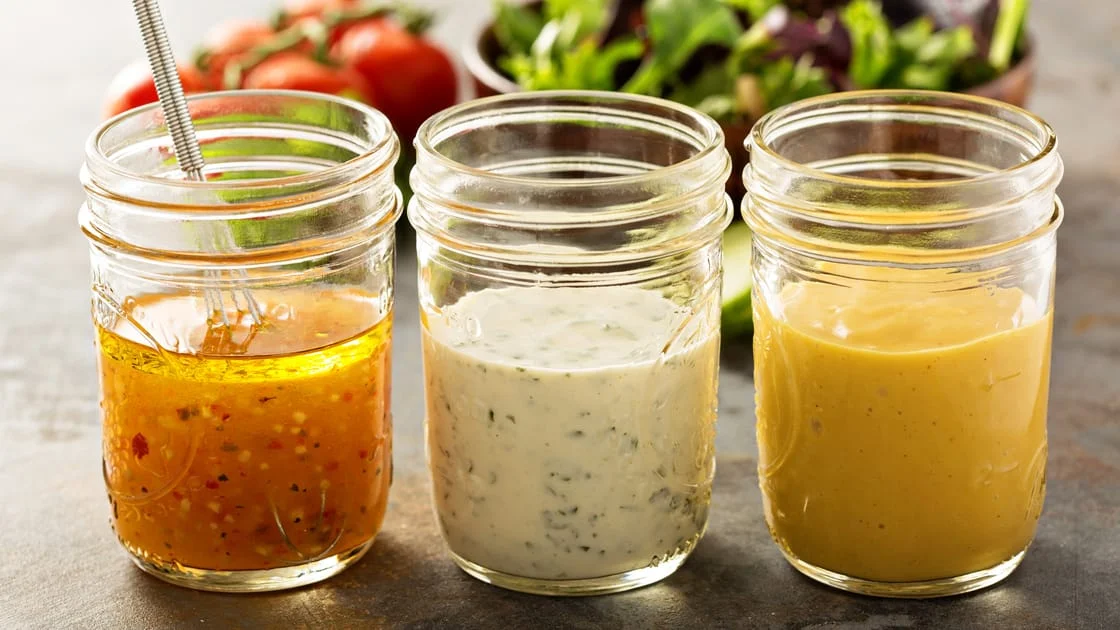
Emulsifiers are substances that help blend two liquids that normally don’t mix well, such as oil and water. In culinary settings, emulsifiers are essential for creating smooth, stable mixtures like salad dressings, sauces, and mayonnaise. They work by reducing the surface tension between the liquids, allowing tiny droplets of one liquid to disperse evenly throughout the other. This process prevents separation and results in a uniform texture.
Benefits of Using Natural vs. Synthetic Emulsifiers
While synthetic emulsifiers are widely utilized in commercial food production due to their consistency and shelf life, natural emulsifiers are increasingly favored by home cooks and health-conscious consumers. Natural options like lecithin and mustard offer clean-label benefits, meaning they are derived from recognizable food sources and often come with added nutritional value. Using natural emulsifiers helps maintain flavor authenticity and reduces exposure to artificial additives, which can be important for those seeking whole-food ingredients or adhering to certain dietary preferences.
The Role of Lecithin in Salad Dressings
Origins and Types of Lecithin
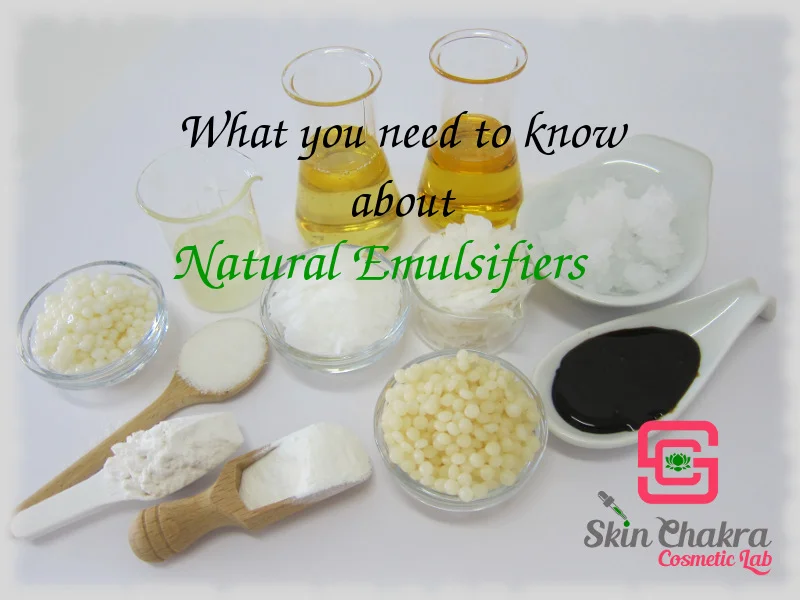
Lecithin is a fatty substance found naturally in many plants and animal tissues, with soybeans, sunflower seeds, and egg yolks being common sources. It typically appears as a yellowish-brown powder or liquid extract. Each source offers slightly different flavor profiles and allergen considerations, such as soy lecithin being a common allergen concern, whereas sunflower lecithin is often preferred for allergen-sensitive individuals.
How Lecithin Works as an Emulsifier
Lecithin has a chemical structure that includes both hydrophilic (water-attracting) and lipophilic (oil-attracting) parts. This dual affinity allows it to surround oil droplets and suspend them within an aqueous phase, stabilizing the emulsion. In salad dressings, lecithin helps maintain a creamy consistency and prevents oil from separating, creating a luscious mouthfeel without relying heavily on gums or starches.
Practical Tips for Incorporating Lecithin into Dressings
When using lecithin in salad dressings, it is important to dissolve it properly for the best emulsification. Lecithin powder or granules should be whisked into the oil first or blended with other liquid ingredients to ensure even distribution. Starting with small amounts and gradually increasing can help find the ideal balance without overpowering the dressing’s flavor. Additionally, lecithin works well when combined with vigorous mixing or blending, which aids in forming stable emulsions.
Exploring Mustard as a Natural Emulsifier
Mustard Varieties and Their Emulsifying Properties
Mustard seeds come in several varieties such as yellow, brown, and black, each with distinct flavor intensities. Mustard in its prepared form—whether as powder, Dijon, or whole grain—is renowned not just for its pungency but also for its ability to act as a natural emulsifier. The mucilage and proteins present in mustard help stabilize oil and water mixtures, making it an effective ingredient in vinaigrettes and creamy dressings alike.
Mechanisms Behind Mustard’s Emulsion Stability
The emulsifying power of mustard stems from its combination of surface-active compounds and natural gums. These components coat oil droplets, preventing them from merging and separating. Additionally, mustard contains enzymes and acids that can influence the texture and flavor, contributing to a pleasant tang and slightly thickened consistency. This natural synergy helps maintain emulsion stability even during refrigeration.
Recipe Ideas Highlighting Mustard in Salad Dressings
Classic vinaigrettes often feature mustard as a star emulsifier. A simple dressing can be made by blending olive oil, vinegar, Dijon mustard, honey, and seasoning. Alternatively, whole grain mustard can add texture and bursts of flavor to creamy dressings based on yogurt or buttermilk. Mustard’s versatility allows it to complement a variety of salad ingredients, enhancing both taste and mouthfeel without the need for synthetic additives.
Comparing Lecithin and Mustard: Which to Use When?
Texture and Flavor Considerations
Lecithin generally lends a neutral taste and silky texture to dressings, making it ideal when the goal is to preserve the pure flavors of other ingredients. Mustard, however, introduces a distinct sharpness and some pulpy texture, impacting the overall flavor profile. Choosing between them depends on whether you want an unobtrusive emulsifier or one that contributes noticeable flavor characteristics. For dressings where a bold, piquant note is welcome, mustard is often the better choice.
Health Benefits and Dietary Implications
Both lecithin and mustard offer health benefits beyond their emulsifying roles. Lecithin is known to contain phospholipids that support brain and liver health, although consumption in typical culinary quantities is modest. Mustard contributes antioxidants and may offer anti-inflammatory properties. Dietary restrictions should also be considered—individuals with soy allergies should avoid soy lecithin, while those sensitive to mustard seed proteins should opt for alternative emulsifiers.
Combining Lecithin and Mustard for Enhanced Emulsification
Using lecithin and mustard together can provide a harmonious balance, blending lecithin’s smooth texture with mustard’s flavor complexity and stability. This combination is particularly useful when making dressings with challenging other ingredients like acidic vinegars or chunky elements. Together, they form a robust emulsion that holds up well over time, delivering both aesthetic appeal and taste satisfaction.
Step-by-Step Guide to Making a Stable Emulsion with Natural Emulsifiers
Preparation and Ingredient Ratios
Start by gathering all your ingredients: oil, acid (like vinegar or lemon juice), lecithin or mustard, and seasoning. In general, a basic vinaigrette ratio is three parts oil to one part acid. If using lecithin, begin with about 0.5 to 1% of the total weight of the oil for minor thickening and better homogeneity. For mustard, about one teaspoon per cup of dressing usually suffices to stabilize the mixture and add flavor.
Mixing Techniques for Optimal Results
Combine lecithin or mustard with the acid and other liquid ingredients first, whisking vigorously to encourage dispersion. Slowly drizzle in the oil while continuing to whisk or use an immersion blender to create tiny droplets suspended within the liquid. This slow incorporation is key; adding oil too quickly prevents proper emulsification. Continue mixing until the dressing appears creamy and uniform.
Troubleshooting Common Emulsion Issues
If separation occurs, don’t despair. Sometimes the temperature of the ingredients affects emulsification—room temperature is ideal. If your emulsion breaks, try adding a small amount of warm water and whisking briskly to rebind the ingredients. Over-oiling or insufficient emulsifier can lead to instability, so adjusting the proportions slightly may be necessary. Finally, always taste and tweak seasoning to maintain balance, as emulsifiers can affect the overall flavor perception.