Introduction to Natural Sweeteners
What Defines a Natural Sweetener?
Natural sweeteners are substances derived from plants or other natural sources that provide sweetness without the extensive processing typical of artificial sweeteners. These sweeteners retain some of the original nutritional components, which distinguishes them from chemically synthesized sugars or sugar substitutes. They can come in liquid or solid forms and often vary in taste, texture, and composition.
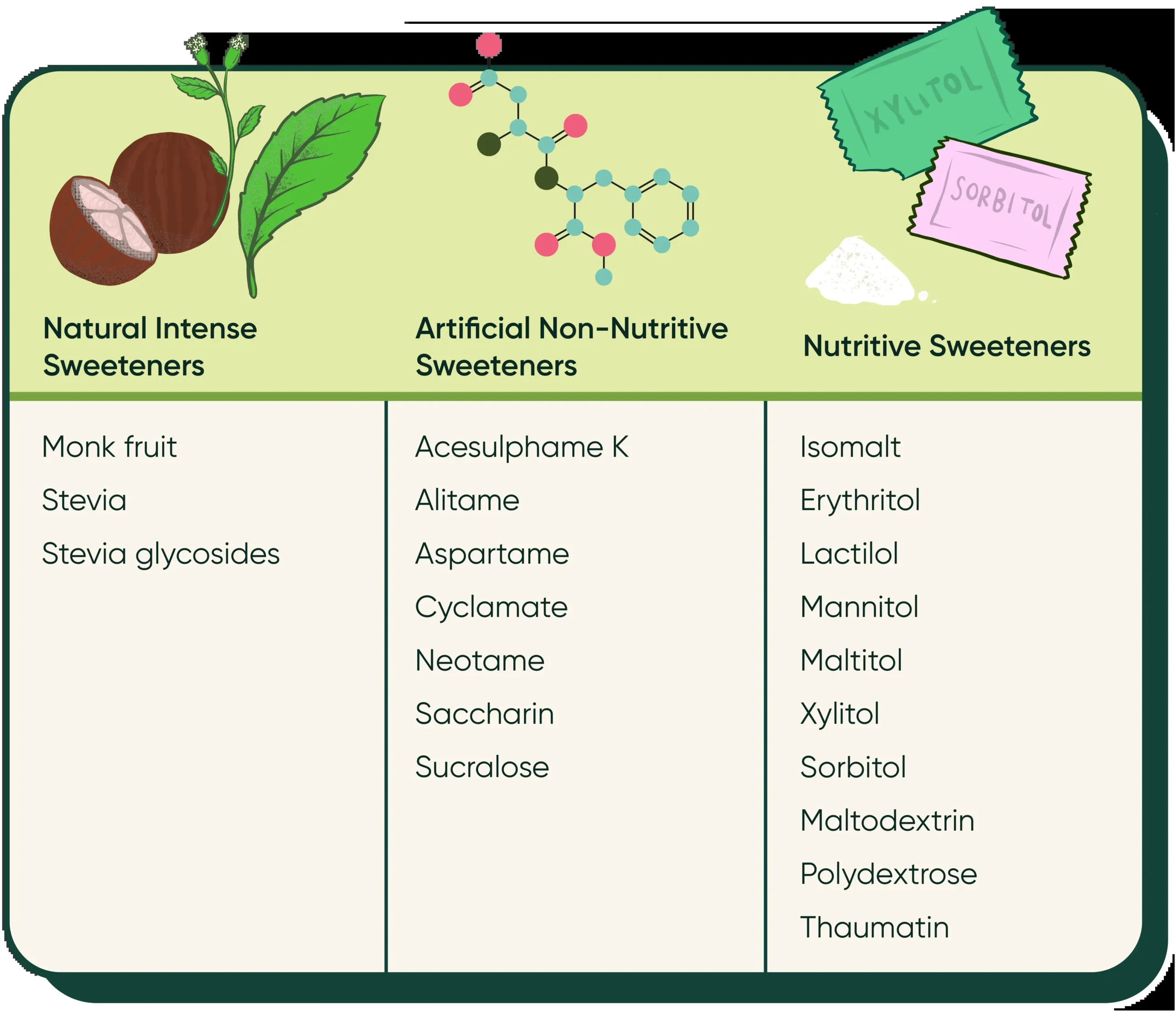
Understanding what qualifies as a natural sweetener involves recognizing their source and how much they have been refined. For example, honey extracted from bees or maple syrup tapped from trees undergo minimal processing, preserving their natural essence. This contrasts with highly processed white sugar or synthetic sweeteners which lack such characteristics.
Why Choose Natural Over Artificial?
Choosing natural sweeteners over artificial varieties is often motivated by health, flavor, and dietary preferences. Natural sweeteners tend to have additional nutrients, antioxidants, or beneficial compounds that artificial sweeteners do not offer. Moreover, many people seek to avoid chemical additives or synthetic ingredients due to concerns about long-term health effects.
Besides health considerations, natural sweeteners frequently provide richer and more complex flavors, enhancing culinary creations in ways artificial sweeteners cannot replicate. For those aiming to adopt a more wholesome or minimally processed diet, natural sweeteners serve as an appealing alternative while still satisfying sweet cravings.
Exploring Popular Natural Sweeteners
Honey: Properties and Culinary Applications
Honey is prized for its rich, floral taste and versatile use in cooking and baking. It contains natural sugars like fructose and glucose, alongside traces of vitamins, minerals, and antioxidants. Honey’s antimicrobial properties can also contribute to health benefits. When heated, honey caramelizes, making it ideal for glazing meats or baking golden pastries.
However, honey’s strong flavor can influence the profile of some dishes, so it is best used when its distinct taste complements the recipe. Its sticky texture also makes it a natural binding agent in certain baked goods and granola bars.
Maple Syrup: Flavor Profiles and Best Uses
Maple syrup, derived from the sap of sugar maple trees, offers a subtly sweet flavor with hints of caramel and woodiness. It is less viscous than honey and contains minerals such as manganese and zinc. Maple syrup shines as a topping for pancakes and waffles, but it is also a great addition to sauces and marinades where a mild sweetness is desired without overpowering other ingredients.
Its delicate flavor can be masked if mixed with too many potent spices, so it is best paired with simpler recipes or used as a finishing drizzle to enhance flavors rather than dominate them.
Agave Nectar: Benefits and Drawbacks
Agave nectar is extracted from the agave plant and has gained popularity as a vegan-friendly natural sweetener. It is sweeter than sugar, which allows for using less quantity, and dissolves easily in cold and hot drinks. Agave has a low glycemic index, making it attractive for those managing blood sugar levels. However, it is high in fructose, which in large amounts can impact liver health and metabolism.
Its mild, neutral flavor makes it suitable for beverages and salad dressings, but caution is advised because excessive consumption may negate some health benefits associated with natural sweeteners.
Stevia: Sweetness Without Calories
Stevia, derived from the leaves of the Stevia rebaudiana plant, offers a natural, zero-calorie sweetness. It is particularly popular among those looking to reduce calorie intake or control blood sugar. Unlike sugar-based sweeteners, stevia is intensely sweet and requires only a small amount to achieve the desired sweetness, often available in powdered or liquid form.
Though stevia lacks the traditional sugar flavors, it may have a slight bitter or licorice aftertaste that some find off-putting. Its best use is in beverages like teas and coffee or as a sugar substitute in recipes where minimal volume is needed.
Comparing Nutritional Profiles
Caloric Content and Glycemic Index
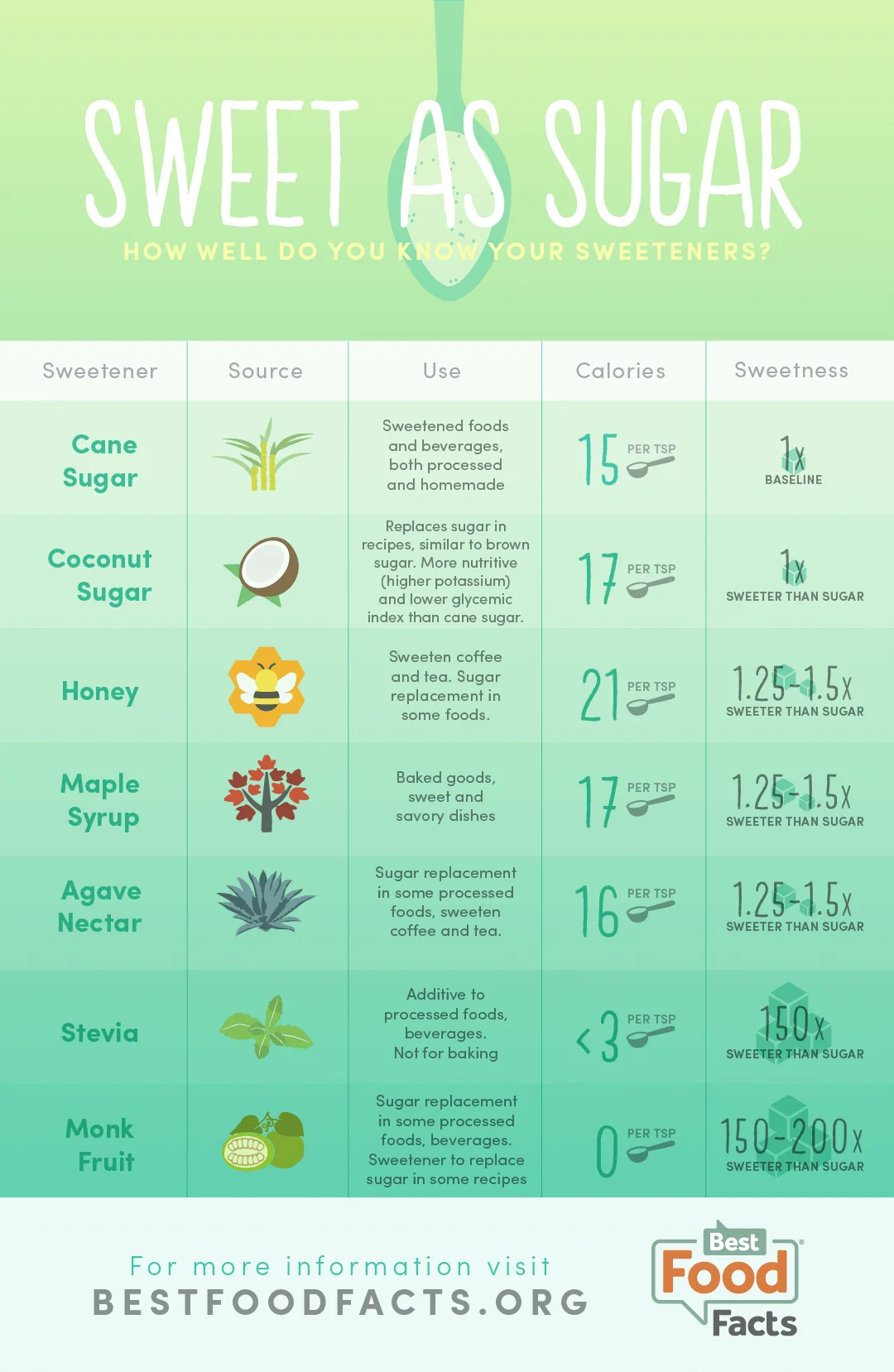
When evaluating natural sweeteners, understanding their caloric content and glycemic index (GI) is essential. Caloric value varies, with honey and maple syrup providing about 60-70 calories per tablespoon, while stevia contains almost none. Agave nectar falls somewhere in between but is denser in fructose, which influences its metabolic effects.
The glycemic index measures how quickly a food raises blood sugar levels. Honey and maple syrup have moderate GI values, leading to steadier rises compared to refined sugar. Agave’s low GI is attractive for blood sugar control, but its fructose content should be considered. Stevia scores nearly zero on the GI scale, making it a preferred choice for diabetics.
Vitamins, Minerals, and Antioxidants in Sweeteners
Natural sweeteners often contain small but notable amounts of vitamins and minerals. Maple syrup is a good source of manganese and zinc, which support immune and metabolic health. Honey provides antioxidants and trace amounts of vitamins like B complex and vitamin C. Agave contains some minerals but less than maple syrup and honey.
Stevia is valued not for vitamins or minerals but for its natural sweetness without calories. The presence of antioxidants in honey and maple syrup offers extra health benefits by reducing oxidative stress, but these should be enjoyed in moderation due to sugar content.
Choosing the Right Sweetener for Your Needs
Best Options for Baking
When baking, the texture, moisture content, and flavor of the sweetener play crucial roles. Honey works well in recipes where you want added moisture and a deeper flavor, such as in bread or muffins. Maple syrup similarly adds moisture and imparts a pleasant aroma, ideal for cookies and cakes that pair well with its flavor.
Stevia can be used in baking as a sugar substitute but requires adjustments since it doesn’t provide bulk or browning. Agave nectar can replace sugar in some recipes but may result in a softer texture due to its liquid form. Each sweetener’s behavior under heat should be tested to ensure the best results.
Sweeteners Ideal for Beverages
For beverages, solubility and taste are primary considerations. Agave nectar dissolves easily and adds a subtle sweetness without altering flavor, making it excellent for cold drinks and cocktails. Stevia’s zero-calorie feature and high sweetness intensity are ideal for hot or cold beverages, especially for those monitoring sugar intake.
Honey adds complexity and warmth, making it a favorite for teas and wellness drinks, while maple syrup’s unique flavor can enhance smoothies or coffee in smaller quantities. Each sweetener’s interaction with temperature and liquid matters when choosing the best one for your drink.
Natural Sweeteners for Cooking and Sauces
Cooking often requires sweeteners that can withstand heat without losing properties or becoming bitter. Honey’s caramelization enhances savory dishes and glazes for meats and vegetables. Maple syrup pairs well in barbecue sauces or salad dressings, providing a balance of sweetness and acidity.
Agave’s mild flavor is useful in sauces where intense sweetness is not desired. Stevia is generally avoided in cooked sauces because heat can sometimes change its taste profile. The ideal sweetener depends on the flavor complexity you want to achieve and how the sweetener interacts with other ingredients during cooking.
Health Considerations and Potential Allergies
Impact on Blood Sugar Levels
People with diabetes or insulin sensitivity must consider how natural sweeteners affect blood sugar. Those with stable blood sugar might enjoy moderate amounts of honey or maple syrup. However, agave’s high fructose concentration can lead to metabolic issues if consumed excessively. Stevia remains the safest option for maintaining low blood glucose due to its calorie-free, non-glycemic properties.
Monitoring portion sizes and recognizing individual reactions are key to incorporating natural sweeteners safely into the diet.
Common Allergic Reactions to Natural Sweeteners
Although natural sweeteners are generally safe, allergies can occur. Honey can trigger reactions in individuals allergic to pollen or bee products. Rarely, maple syrup may cause sensitivities due to tree sap proteins. Agave allergies are uncommon but possible, especially in those sensitive to plants in the Asparagaceae family.
Stevia allergies are relatively rare but can manifest as digestive discomfort or skin reactions. It’s advisable to introduce new sweeteners gradually to observe any adverse effects.
Conclusion: Making Informed Sweetener Choices
Understanding the different types of natural sweeteners and their best uses empowers you to make healthier and tastier choices. Each sweetener brings unique flavors, nutritional profiles, and functional benefits that can enhance both everyday meals and special recipes. By considering factors like glycemic impact, texture, and flavor compatibility, you can select the sweetener that best aligns with your dietary needs and culinary goals.
Remember to use natural sweeteners in moderation, be aware of potential allergies, and enjoy the variety of options available to enrich your cooking and baking naturally.