Introduction to Global Coffee Culture
Brief History of Coffee
Coffee’s journey began centuries ago, with origins tracing back to the ancient forests of Ethiopia. It spread gradually through the Arabian Peninsula, where it was cultivated and celebrated before becoming a global phenomenon. This rich history reflects not only the beverage itself but the cultural interactions it fostered. Understanding coffee’s roots provides insight into how it evolved into a universal ritual embraced worldwide.
Significance of Coffee in Society
Coffee has always been more than just a drink; it is a social catalyst that brings people together. Across many cultures, it serves as a symbol of hospitality, conversation, and community. Whether in bustling cities or quiet villages, coffee defines social interaction and reflects a region’s customs and values. Its significance is seen in everything from casual meet-ups to formal ceremonies, highlighting its role as a cultural cornerstone.
The Origins: Coffee Culture in Ethiopia and the Middle East
Traditional Ethiopian Coffee Ceremonies
In Ethiopia, coffee holds a sacred place and is at the heart of social life. The traditional Ethiopian coffee ceremony involves roasting green coffee beans over an open flame, grinding them by hand, and brewing in a clay pot known as a “jebena.” This ritual often unfolds in the presence of guests, emphasizing respect and connection. The ceremony can last several hours, signifying its importance as a communal activity that strengthens relationships.
Impact of Middle Eastern Coffeehouses on Social Life
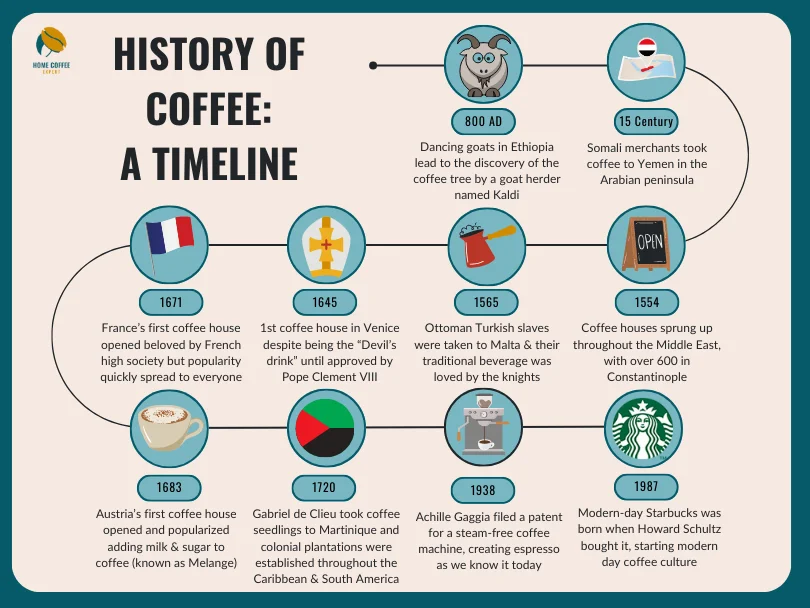
Moving from Ethiopia to the Middle East, coffeehouses emerged as vital social spaces during the 15th century. These establishments became hubs for intellectual exchange, cultural discussions, and political debate. The coffeehouse culture in cities like Istanbul and Cairo provided a unique setting where people from diverse backgrounds could meet, promoting not only coffee consumption but also societal advancement. This tradition profoundly influenced how coffee was perceived and enjoyed across the globe.
Europe’s Coffee Revolution
The Rise of Coffeehouses in Italy and France
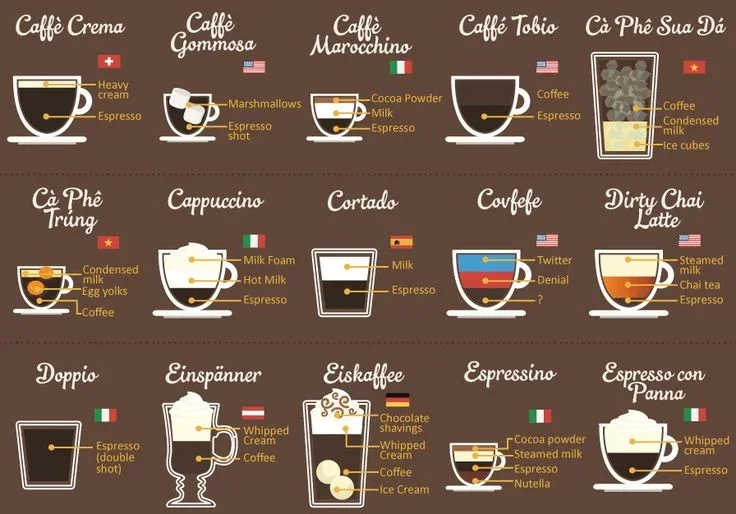
When coffee reached Europe, Italy and France became epicenters for its popularization. Italian espresso bars introduced a new, concentrated coffee experience that quickly became integral to daily life. Meanwhile, French salons embraced coffee as a stimulant for conversation and creativity. Coffeehouses in both countries served as meeting places for artists, writers, and philosophers, shaping the social and cultural landscape significantly.
How Coffee Influenced European Literature and Art
The invigorating effects of coffee found their way into European literature and art during the Enlightenment and beyond. Writers and thinkers credited coffee with enhancing focus and imagination, often gathering in cafés to exchange ideas and craft their work. This cultural blend fostered creativity and collaboration, helping to cement coffee’s place not only as a beverage but as an intellectual catalyst.
North America: From Colonial Brew to Specialty Coffee
Colonial Coffee Drinking Habits
In early North America, coffee entered the scene as a practical alternative to tea, especially after the Boston Tea Party’s political statement against British taxation. Colonists adopted coffee as a staple drink, which gradually evolved from simple home brewing to more refined methods. Coffeehouses began appearing as social venues, offering new spaces for discussion and commerce.
The Emergence of Coffee Chains and Third-Wave Coffee Movement
The 20th century saw the rise of large coffee chains that made coffee accessible and convenient across the continent. However, the later emergence of the third-wave coffee movement marked a shift towards quality, sustainability, and artisanal brewing methods. This movement emphasizes direct trade, single-origin beans, and precise preparation techniques, reflecting a more sophisticated appreciation of coffee’s complexities.
Asia’s Diverse Coffee Practices
Vietnamese Iced Coffee and Street Culture
Vietnam offers a unique coffee culture that fuses French colonial influences with local innovations. Vietnamese iced coffee, or “cà phê đá,” is famous for its bold flavor achieved by dripping robusta beans through a phin filter, mixed with sweetened condensed milk and poured over ice. This drink is deeply embedded in the vibrant street culture, where coffee stalls become lively social spots throughout the day.
Japan’s Precision and Ritual in Coffee Brewing
In Japan, coffee culture is characterized by meticulous attention to detail and ritualistic brewing methods. Japanese baristas often use pour-over techniques, such as the V60, which require precise control over water temperature and flow. This dedication reflects Japan’s broader cultural values of harmony and craftsmanship, resulting in an elevated coffee experience that celebrates both flavor and form.
South America: Coffee as Economic and Cultural Identity
Brazil’s Role in Global Coffee Production
Brazil stands as the world’s largest coffee producer, and its economy is closely tied to coffee cultivation. The country’s vast plantations supply much of the world’s demand, but coffee is also a source of national pride. The agricultural practices have evolved with technology, yet traditional farming communities preserve longstanding techniques, highlighting the deep-rooted link between coffee and Brazilian identity.
Cultural Importance of Coffee in Colombia and Beyond
In Colombia, coffee is more than a commodity—it is a cultural emblem that shapes social customs and regional pride. The inviting aroma of freshly brewed coffee signals hospitality, and coffee-growing regions celebrate festivals that honor this heritage. Across South America, coffee’s cultural significance extends beyond production to include social rituals and daily life, reflecting its integral role in shaping local identities.
Conclusion: The Future of Coffee Culture Worldwide
The evolution of coffee culture continues to unfold globally, blending tradition with innovation. As consumers grow more conscious of quality, sustainability, and ethical sourcing, coffee culture is shifting towards practices that respect both the environment and the communities involved. Looking ahead, coffee will likely maintain its role as a social connector while adapting to new tastes and technologies, ensuring its place in cultures worldwide for generations to come.