Introduction to Pickling and Its Importance
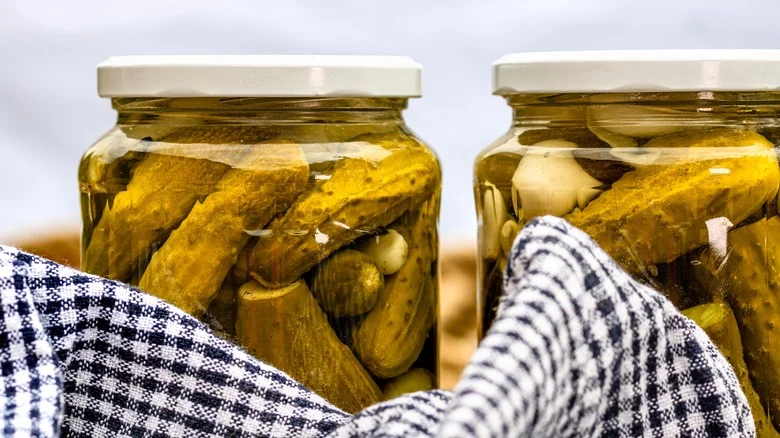
Pickling is a time-honored preservation method that enhances the shelf life of vegetables and fruits while adding a delightful tangy flavor. This process not only prevents food spoilage but also creates unique taste experiences cherished worldwide. Understanding how acidity functions within pickling is essential for anyone looking to create delicious and safe homemade pickles. Without the proper acid balance, pickles can fail to develop their characteristic taste or, worse, become unsafe to consume.
The Science Behind Acidity in Pickling
What Is Acidity and pH in Pickling?
At the heart of pickling lies acidity, often measured by pH, which indicates how acidic or basic a solution is. Pickling relies on maintaining a low pH—meaning a high level of acidity—to inhibit the growth of harmful microorganisms. When the pH drops below about 4.6, conditions become unfavorable for bacteria that cause spoilage and foodborne illness. Without this critical acidity control, submerged vegetables may remain vulnerable to contamination.
The Role of Acidic Agents (Vinegar, Lemon Juice, etc.)
Acidic agents such as vinegar, lemon juice, or even fermented brines are responsible for lowering the pH in pickled foods. Vinegar, typically containing acetic acid, is the most common choice because it provides a consistent acid level. Natural acids like citric acid from lemon juice offer alternative flavors but may vary in strength. The choice and concentration of acidic agents directly affect both the safety and flavor of the pickles. Failure to use an adequate amount or the wrong type may result in ineffective preservation or off-putting taste.
How Acidity Influences Flavor Profiles
Balancing Sourness with Other Tastes
While acidity is crucial for preservation, it is also the key driver of the classic sourness in pickles. However, overly sharp or harsh acidity can overpower other flavors. Achieving the right balance means integrating sweetness, saltiness, and spice to complement the tang. For instance, adding sugar or aromatics can soften the sharpness, creating a more rounded and enjoyable flavor. Understanding how acidity interacts with these elements allows picklers to tailor their recipes to personal taste preferences.
Common Acidity Levels for Different Vegetables and Fruits
Different produce absorb and react to acids differently, so the required acidity level varies. For harder vegetables like cucumbers and carrots, a stronger acid concentration is typically needed to penetrate and preserve effectively. Softer fruits such as peaches or apples might require milder acidity to avoid breaking down the texture excessively. Recognizing the acidity tolerance of each ingredient guides the choice of acid strength for a balanced flavor and optimal preservation.
Acidity’s Impact on Preservation and Safety
Preventing Harmful Bacteria Growth
If acidity is too low, pathogenic bacteria like Clostridium botulinum can thrive, posing serious health risks. Maintaining the correct pH level is a non-negotiable safety measure to prevent such bacteria from growing. This is why pickling is not just about flavor but about creating an environment that preserves food without facilitating dangerous microbial activity. Skimping on acidity or guessing measurements invites spoilage and potential illness.
Optimal pH Levels for Long-Term Storage
The goal of pickling is often to create products that can be stored safely for months or even years. Research and food safety guidelines recommend keeping the pH of pickled foods below 4.6 to ensure stability. Achieving this optimal acidity level requires precise control and sometimes testing with pH meters or test strips. Without verifying pH, homemade pickles may appear fine but remain risky, undermining the entire preservation effort.
Techniques to Control Acidity in Homemade Pickles
Choosing the Right Acidic Ingredients
Quality and type of acidic ingredients are foundational decisions. White distilled vinegar, with a consistent acetic acid concentration usually around 5%, is favored for its reliability. Apple cider vinegar and rice vinegar offer distinct flavors but vary slightly in acidity. Lemon juice can bring freshness but tends to be less predictable in acid strength. Selecting the right acid ensures both the desired taste and preservation effectiveness.
Measuring and Adjusting pH Accurately
Estimating acidity by eye or taste is risky. Instead, investing in pH testing tools can make a significant difference. pH meters provide precise readings, while pH test strips can offer a quick indication. If pH is found to be above the safe threshold, increasing the acid concentration accordingly is necessary. This step helps avoid guesswork and ensures consistent results, particularly for those new to pickling or experimenting with new recipes.
Troubleshooting Common Problems with Acidity in Pickling
Spoilage Issues Linked to Improper Acidity
When pickles spoil unexpectedly, low acidity is often the culprit. Signs such as mold, off smells, or slimy textures indicate microbial growth. These problems arise because the acidity level was insufficient to suppress bacteria. Sometimes, this occurs from diluting vinegar too much or failing to measure pH correctly. Recognizing these symptoms early and reviewing the acidity levels used can prevent future loss and improve safety.
Flavor Imbalances and How to Fix Them
Too much acidity can make pickles unpleasantly sharp or sour, while too little results in bland or mushy preserves. Adjusting acidity after tasting can be challenging but manageable. Adding a small amount of sugar or spices can mellow excessive sourness, while combining acids or blending with less acidic brines can balance flavor. Finding the ideal acidity balance is a trial-and-error process but focusing on proper measurement avoids drastic imbalances.
Conclusion: Mastering Acidity for Perfect Homemade Pickles
Acidity is the cornerstone of successful pickling, influencing both safety and flavor. Without careful control of acid levels, homemade pickles risk spoilage and unpleasant taste. By understanding the science behind acidity, selecting appropriate acidic agents, and measuring pH accurately, home cooks can create delicious, safe pickles with consistent results. Mastery of acidity transforms pickling from guesswork into a reliable culinary art, yielding vibrant flavors and long-lasting preservation every time.