Introduction to Ancient Mediterranean Trade
Historical Overview of Mediterranean Commerce
The ancient Mediterranean world was a bustling hub of commerce, linking diverse cultures and rich resources through extensive trade networks. Long before modern globalization, merchants and traders navigated seas and land routes to exchange goods, ideas, and cultural practices. This complex system was the lifeblood of prosperity, enabling distant regions to connect and develop economically and socially. Food, in particular, played a crucial role, shaping not only the flow of goods but also the daily lives and traditions of Mediterranean societies.
Key Civilizations Involved in Trade
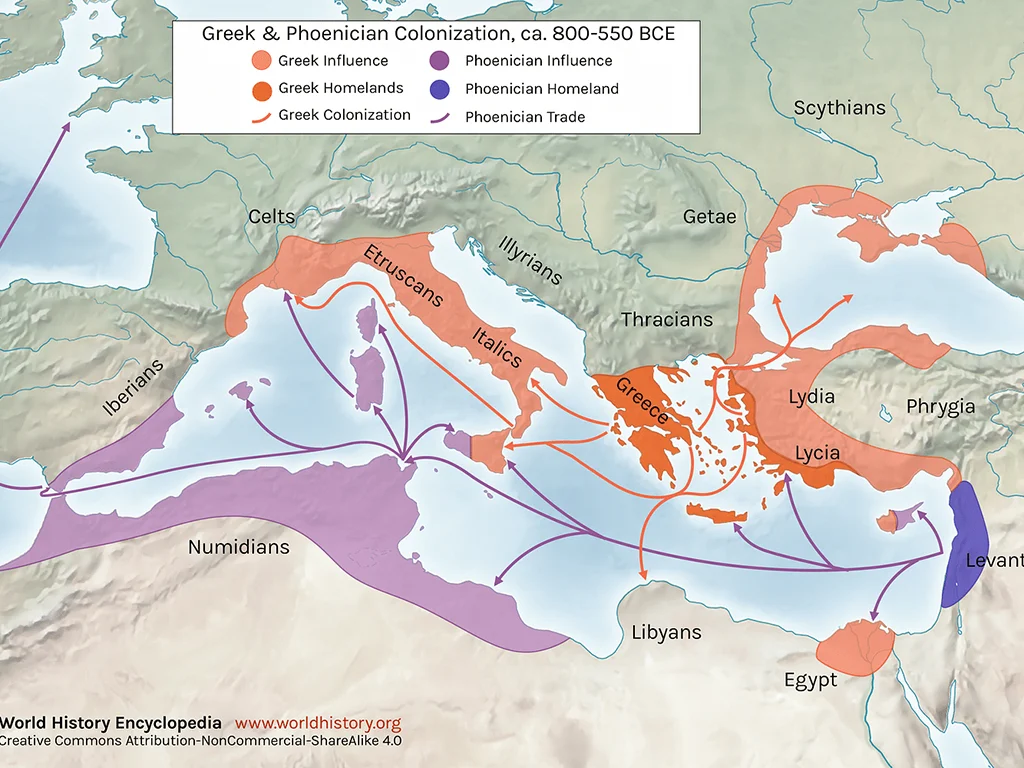
The Mediterranean basin was home to some of the most influential civilizations in human history. The Egyptians, Phoenicians, Greeks, and Romans each contributed uniquely to trade dynamics. Phoenician seafarers, for instance, were instrumental in establishing maritime routes, while the Romans developed sophisticated infrastructure that supported land trade. These interconnected societies depended heavily on the exchange of commodities, with foodstuffs acting as both staples and luxury items that helped forge political alliances and economic ties.
The Importance of Food in Trade Dynamics
Staple Foods and Their Economic Value
Food was more than mere sustenance—it was a commodity with immense economic significance. Staples like grains and cereals were not only vital for feeding populations but also acted as currency to stabilize economies and secure political power. Control over food production and supply often meant control over regions, making staple foods a strategic asset in ancient trade. Their availability and price could influence social stability and the rise and fall of empires.
Role of Spices and Luxury Edibles
Beyond staples, spices and luxury foods shaped demand and consumer culture across the Mediterranean. Exotic spices such as cinnamon and pepper, though imported from distant lands, became highly sought after for their flavor and medicinal properties. These items symbolized wealth and sophistication. Their trade highlighted the Mediterranean’s role as a crossroads between East and West, introducing new tastes and culinary practices that enriched local diets and social customs.
Major Food Commodities Traded in the Mediterranean
Grains and Cereals
Grains were the backbone of ancient Mediterranean diets. Wheat and barley, grown extensively in regions like Egypt and the Levant, were essential commodities in trade. Their transport was often prioritized, with careful storage methods developed to protect these perishable goods. Grain surplus allowed certain regions to dominate trade routes, effectively supplying cities and armies that depended on consistent food supplies.
Olives and Olive Oil
Olives and their oil were not only dietary staples but also held cultural and religious significance. Olive oil was a versatile product used in cooking, lighting, skin care, and even rituals. As demand grew, it became a valuable export. The Mediterranean’s climate favored olive cultivation, enabling areas like Crete, Greece, and parts of Italy to become prominent producers. Olive oil trade was tied closely to social status and economic wealth.
Wine and Vine Products
Wine was another pivotal commodity with deep social and religious roots. The Mediterranean’s love for wine transcended simple consumption; it was an integral part of gatherings, ceremonies, and trade diplomacy. Regions like Greece and Italy cultivated vineyards dedicated to producing notable wines. Wine barrels and amphorae frequently appear in archaeological discoveries along trade routes, underscoring their widespread demand and careful handling during transport.
Dried Fruits and Nuts
Dried fruits and nuts, including figs, dates, and almonds, offered valuable nutrition and could be preserved for long journeys. These items supplemented diets and were often considered delicacies. Their portability and shelf-life made them ideal for traders and travelers. They also found their way into gift exchanges and market offerings, blending practical needs with cultural traditions.
Trade Routes and Food Distribution Networks
Land Routes vs Maritime Routes
The Mediterranean’s geography shaped its trade patterns. Land routes, such as those crossing the Levant or connecting to Mesopotamia, offered overland passage but were slower and riskier due to banditry and political instability. Maritime routes, by contrast, allowed faster and larger-scale transport of goods. Phoenician and later Roman ships plied these waters, establishing regular schedules that enabled perishable food items to reach distant markets relatively fresh.
Key Trading Hubs and Marketplaces
Strategic ports like Carthage, Alexandria, and Piraeus became bustling trading hubs. These cities were melting pots of cultures and commerce, where goods from across Europe, Africa, and Asia were exchanged. Marketplaces in these hubs were not just economic centers but also social spaces where culinary ideas mingled. Traders, cooks, and consumers interacted, facilitating the diffusion of food products and cooking techniques across the region.
Cultural Influence of Food Trade
Exchange of Culinary Techniques
Food trade was a conduit for exchanging culinary knowledge. As ingredients traveled along trade routes, so did recipes and cooking styles. Greek and Roman cuisines, for example, evolved through contact with Eastern spices and herbs. Such exchanges enriched Mediterranean gastronomy, fueling innovation that reflected a blending of traditions. This cross-pollination created food cultures that remain influential even today.
Impact on Diets and Food Practices
The availability of diverse food products transformed diets across Mediterranean societies. New flavors and preservation methods changed eating habits and meal structures. Social rituals around food became more elaborate, reflecting changing tastes and the elevated status of certain goods. Trading food also helped mitigate local shortages, although it was sometimes unevenly distributed due to political or economic factors.
Challenges in Ancient Food Trade
Preservation and Transportation
Transporting food over long distances was fraught with difficulties. Without modern refrigeration, traders had to rely on drying, salting, and fermenting to preserve perishables. Amphorae and ceramic containers protected goods on ships, but spoilage was always a risk. Weather conditions and piracy could also disrupt shipments, leading to losses that impacted supply and prices.
Political and Economic Barriers
Control over trade routes often sparked conflicts among competing powers. Tariffs, embargoes, and piracy presented ongoing challenges for merchants. Political instability could close borders or restrict access to key markets. Economically, fluctuating supply and demand affected food prices dramatically, influencing who could afford certain commodities and when.
Conclusion: Legacy of Food in Mediterranean Commerce
The ancient Mediterranean food trade was more than a simple exchange of goods—it was a force that shaped economies, cultures, and societies across a vast region. By connecting diverse peoples through shared culinary interests, it forged a legacy of interconnectedness that echoes in modern Mediterranean food and trade practices. Understanding this history highlights the profound impact of food not just as nourishment but as a powerful agent of change and continuity in human civilization.