Introduction to Lecithin in Confectionery
What is Lecithin?
Lecithin is a natural substance found in the cells of many plants and animals. In the world of homemade chocolate and candy making, it’s prized for its unique ability to act as an emulsifier. Essentially, lecithin helps blend ingredients that normally resist mixing, like oil and water, creating a smooth, unified texture. This quality makes it especially valuable to confectioners aiming for that perfect mouthfeel and consistency in their creations.
Historical Use of Lecithin in Food
Lecithin has been utilized in food production for decades, particularly in commercial baking and chocolate manufacturing. Early on, food scientists recognized its potential to improve texture and extend shelf life. While large-scale producers have long harnessed its benefits, amateur and artisanal candy makers are increasingly adopting lecithin to refine their products. This growing popularity speaks to lecithin’s proven effectiveness and versatility in the kitchen.
Types of Lecithin and Their Sources
Soya Lecithin vs. Sunflower Lecithin
When it comes to lecithin, the two most common sources are soybeans and sunflowers. Soya lecithin is the most widely available and typically less expensive but may raise concerns for those avoiding soy products or dealing with allergies. Sunflower lecithin, on the other hand, is derived from sunflower seeds and is often preferred for its non-GMO status and cleaner label appeal. Both perform similarly in chocolate and candy making, but your choice might boil down to dietary preferences and ingredient transparency.
Organic and Non-GMO Lecithin Options
For makers who prioritize natural or organic ingredients, choosing organic or non-GMO lecithin can be important. These options ensure that the lecithin comes from crops grown without synthetic pesticides or genetic modification. Organic lecithin is often sunflower-based and appeals to health-conscious consumers. When sourcing your lecithin, check the packaging for certification to make sure it aligns with your values.
Functional Benefits of Lecithin in Chocolate and Candy
Emulsifying Properties Explained
The primary role of lecithin in confectionery is its emulsifying power, which means it helps blend fats and liquids seamlessly. In chocolate making, this translates to a smoother flow of molten chocolate, easier mixing of ingredients, and a final product that melts evenly on the tongue. Without lecithin, chocolates can be gritty or separate, making the eating experience less pleasurable.
Improving Texture and Mouthfeel
Lecithin contributes significantly to the texture and mouthfeel of candy. It reduces viscosity, which helps in pouring and molding processes while enhancing creaminess and richness once the treat is finished. In homemade batches, adding the right amount of lecithin can transform a dense or chalky candy into something silky and luxurious.
Extending Shelf Life of Confections
Another less obvious benefit is lecithin’s capacity to prolong the shelf life of chocolates and candies. By maintaining stable emulsions and preventing fat bloom—a common issue where fat crystallizes on the surface—lecithin helps preserve the product’s appearance and freshness. This aspect is particularly useful if you’re making gifts or selling your confections.
How to Use Lecithin in Homemade Recipes
Recommended Dosage for Chocolate and Candy
Using lecithin correctly is key to enjoying its advantages without overpowering your recipe. For chocolate, the typical dosage ranges between 0.3% and 0.5% of the total weight of the mixture. In candy making, a slightly higher amount might be used, but it’s generally best to start small and adjust gradually. Overuse can affect flavor and texture negatively, so precision matters.
Steps to Properly Incorporate Lecithin
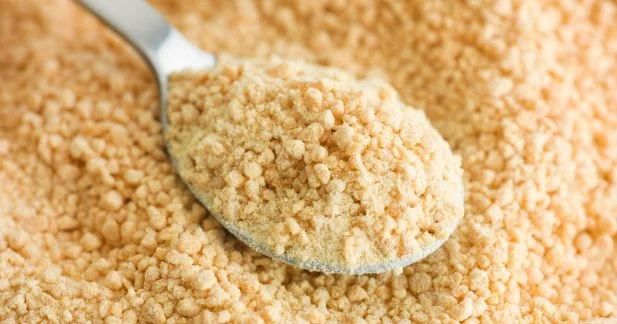
Incorporating lecithin is fairly straightforward but requires care. It is usually added at the tempering stage of chocolate making or during the final heating phases in candy recipes. Lecithin can come in liquid or powdered form, and both dissolve well when introduced to warm ingredients. Stirring thoroughly ensures even distribution, resulting in a consistent final product.
Potential Substitutes and Alternatives
While lecithin is unique in its emulsifying properties, some home cooks seek alternatives due to allergies or availability. Ingredients like sunflower oil, glycerin, or certain gums can sometimes mimic lecithin’s effects but often don’t provide the same smoothness or shelf life. If you decide to experiment with substitutes, prepare for some trial and error in texture and stability.
Scientific Insights: Lecithin’s Molecular Role
Interaction with Cocoa Butter and Sugar
On a molecular level, lecithin interacts with cocoa butter and sugar crystals to optimize the structure of chocolate. Lecithin molecules position themselves at the interface between fat and sugar particles, reducing tension and allowing these components to bind more effectively. This interaction smooths out the chocolate matrix, making it easier to work with and more enjoyable to eat.
Impact on Crystal Formation in Chocolate
Crystal formation is a critical aspect of chocolate quality. Lecithin helps control the way cocoa butter crystallizes, promoting stable, fine crystals over coarse or unstable ones. Proper crystal formation ensures the chocolate has a desirable snap and sheen. Without lecithin, chocolates may develop uneven textures or bloom prematurely, impacting both aesthetic appeal and taste.
Common Mistakes When Using Lecithin at Home
Overuse and Its Effect on Final Product

One common pitfall is using too much lecithin. While it’s tempting to think more might improve smoothness, overuse can actually make chocolates greasy or affect the flavor profile, introducing off-notes or diminishing richness. Less really is more when it comes to this ingredient. Measuring carefully and adhering to recommended dosages is essential to avoid these issues.
Storage and Handling Tips
Lecithin should be stored in a cool, dry place, away from direct sunlight to preserve its quality. Liquid lecithin, in particular, can degrade if exposed to heat or air for long periods. When handling, make sure to use clean utensils and containers to avoid contamination, which could spoil both the lecithin and your homemade confections.
Expert Tips for Perfect Homemade Chocolates and Candies
Balancing Lecithin with Other Ingredients
Finding the right balance between lecithin and other ingredients is crucial. Too little lecithin may leave your chocolate thick and hard to work with, while too much can cause texture or flavor problems. Experiment in small batches to see how your specific recipe responds. Remember, ingredient quality and temperature control are equally important to achieve the best results.
Troubleshooting Common Texture Issues
If your chocolates or candies turn out grainy, crumbly, or lackluster, lecithin might be part of the solution. Ensure it’s properly mixed in and that you’re not exceeding recommended doses. Also, consider whether your tempering or cooking temperatures are accurate, as lecithin works best in conjunction with precise heat management. Addressing these factors holistically will help you craft confections that impress every time.