The Origins of Spice Trade: An Overview
Early Beginnings and Key Regions
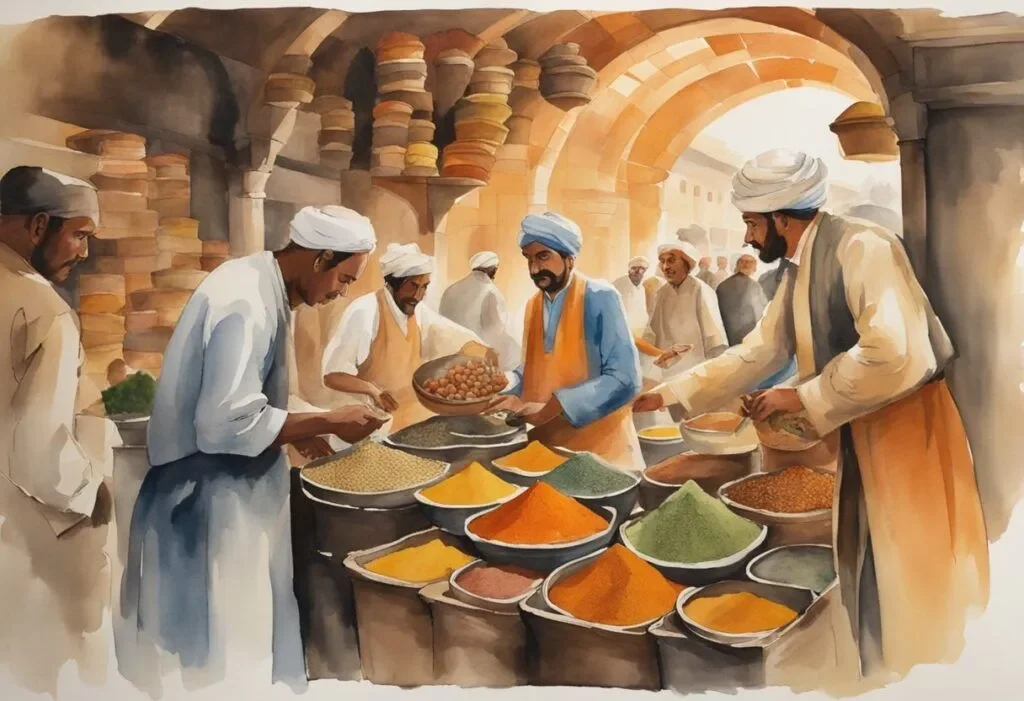
The spice trade began thousands of years ago, rooted in ancient civilizations across Asia, the Middle East, and the Mediterranean. Regions such as India, Sri Lanka, Southeast Asia, and the Arabian Peninsula were central hubs where spices like cinnamon, pepper, and cloves were harvested and traded. These early exchanges laid the foundation for complex trade networks connecting distant cultures.
Notable Spices That Shaped Ancient Commerce
Spices such as black pepper, cardamom, nutmeg, and saffron were highly sought after for their flavor, preservative qualities, and medicinal uses. Their rarity and value often surpassed that of gold, making them key commodities in ancient markets. The demand for these exotic ingredients drove merchants and explorers to venture further, shaping economic and cultural landscapes worldwide.
Spices as Catalysts for Global Exploration
Economic Motivations Behind the Spice Trade
The desire to control the lucrative spice trade was a powerful economic motivator for many empires and nations. Access to spices meant wealth and influence, prompting intense competition and conflict. This pursuit was a primary driver behind European explorations during the Age of Discovery, as nations sought direct trade routes to spice-producing regions and aimed to bypass intermediaries.
Expansion of Trade Routes Across Continents
Spices facilitated the establishment of extensive trade routes, including the famous Silk Road and maritime pathways like the Spice Route. These routes connected Asia, Africa, and Europe, allowing not only the flow of goods but also ideas, technologies, and cultural practices. The resulting network became a backbone for global commerce, setting the stage for modern globalization.
Impact on Maritime Technology and Navigation
The quest for spices accelerated advancements in shipbuilding, navigation, and cartography. Innovations such as the compass, astrolabe, and improved sailing vessels emerged to meet the demands of long-distance sea voyages. These technologies revolutionized maritime travel, enabling safer and more efficient exploration beyond traditional boundaries.
Influence of Spices on Cultural Exchange
Cross-Cultural Culinary Adaptations
As spices traveled across continents, they became integral to diverse culinary traditions. Their integration led to the fusion of flavors and cooking techniques, enriching regional cuisines. For example, the introduction of chili peppers to Asia and Europe transformed local dishes, illustrating spices’ role in shaping global food culture.
Spices in Religious and Medicinal Practices
Beyond the kitchen, spices held spiritual and therapeutic significance. They were often used in rituals, offerings, and traditional medicine across cultures. This multifaceted use reinforced their value and ensured their continued demand, influencing social customs and healing practices worldwide.
Modern Culinary Landscapes and Spice Legacy
How Historical Trade Patterns Affect Today’s Cuisine
Modern cuisine reflects the centuries-old spice trade routes through the presence of diverse ingredients and flavor profiles. Nations once connected by ancient commerce continue to share culinary influences, making certain spices staples in kitchens worldwide. This legacy highlights how history shapes contemporary eating habits.
Integration of Exotic Flavors in Modern Cooking
Today’s chefs and home cooks experiment with exotic spices to innovate and diversify dishes. The accessibility of spices once rare or expensive allows for creative fusion and the celebration of multicultural cuisine. This trend fosters appreciation for the historical journeys behind these ingredients.
Revival of Ancient Spice Blends and Recipes
Interest in heritage cooking has led to the revival of traditional spice blends and recipes. By rediscovering ancient combinations, culinary practitioners honor historical foodways while introducing unique tastes to new audiences. This revival serves as a bridge between past and present culinary practices.
Economic and Social Impacts of the Spice Trade Today
Continuing Importance in Global Markets
Spices remain an important commodity in global trade. Countries involved in spice production contribute significantly to their economies, supporting millions of farmers and workers. The demand for quality spices sustains international markets, reinforcing the historic relevance of this trade.
Fair Trade and Ethical Sourcing of Spices
Modern consumers are increasingly aware of ethical concerns surrounding spice sourcing. Fair trade practices aim to ensure equitable compensation and sustainable farming. Addressing these issues helps preserve traditional livelihoods and promotes responsible consumption, aligning with global social and environmental goals.