Introduction to the Spice Trade
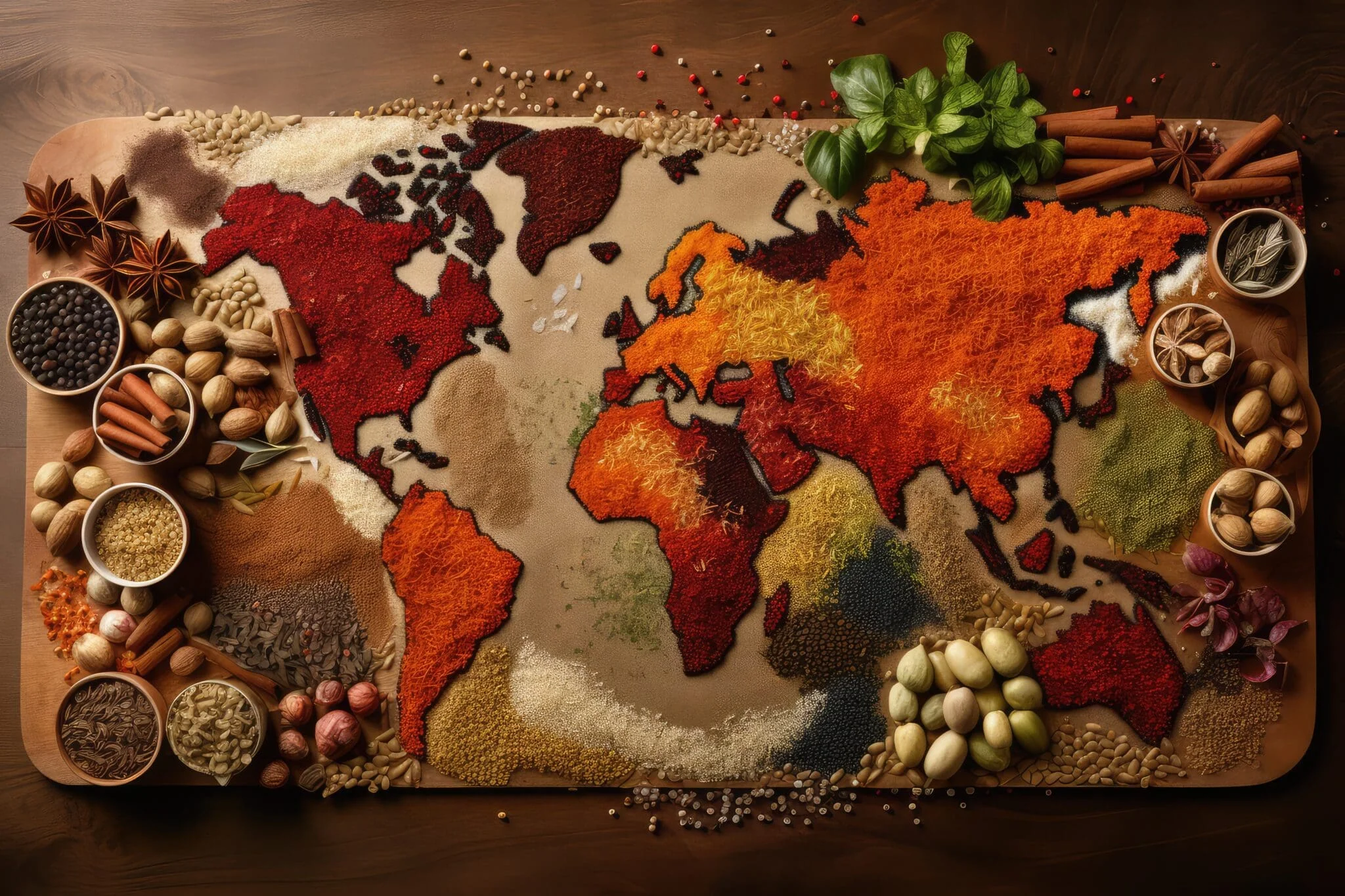
The spice trade, an ancient network of routes that connected distant parts of the world, played a crucial role in shaping global history. It involved the exchange of coveted spices such as black pepper, cinnamon, cloves, and nutmeg, which were prized not only for culinary uses but also for medicinal and religious purposes. Understanding the spice trade offers a fascinating glimpse into how early civilizations interacted, influenced each other, and laid groundwork for the interconnected world we live in today.
Origin and Evolution of Ancient Spice Routes
The Silk Road: More than Just a Trade Path
Often associated primarily with silk, the Silk Road was a vast overland trading network that stretched from China through Central Asia to Europe. While silk was a major commodity, spices were equally significant goods traveling these paths. The Silk Road facilitated the movement of luxury spices like cinnamon and black pepper alongside other valuable items. This route was essential in spreading not only goods but also cultures, religions, and technological innovations, transforming societies along the way.
The Maritime Spice Route Across the Indian Ocean
Complementing overland trade, the maritime spice route across the Indian Ocean connected the spice-producing islands of Southeast Asia to the Middle East, Africa, and eventually Europe. Sailors navigated monsoon winds to transport spices over vast distances, making it one of the earliest examples of global maritime commerce. This sea route was vital for the distribution of cloves, nutmeg, and mace, contributing to the rise of powerful port cities and trading hubs.
Emergence of Overland Trade Networks in the Middle Ages
During the Middle Ages, expanding demand for spices led to the development of additional overland networks in Europe and the Middle East. Traders from Venice, Genoa, and other Mediterranean cities became key intermediaries, acquiring spices from the East and distributing them across Europe. These routes not only boosted economic activity but also spurred diplomatic and cultural exchanges, influencing medieval society beyond just the marketplace.
Key Spices That Shaped Trade and Taste
Black Pepper: The King of Spices
Black pepper’s dominance in the spice trade earned it the title “King of Spices.” Originating from the Malabar Coast in India, it was highly sought after for its sharp, pungent flavor that could enhance almost any dish. It also held significant value as a preservative and medicine. Its popularity made it a driving force in maritime trade, often acting as currency in some regions, emphasizing its profound economic and culinary impact.
Cinnamon and Its Journey from Ceylon
Cinnamon, native to the island of Ceylon (modern-day Sri Lanka), was treasured for its sweet and aromatic qualities. Its long journey from the tropical forests of Ceylon to European tables involved complex trade mechanisms. The allure of cinnamon’s unique flavor profile inspired explorers and traders to seek direct access to its source, influencing the geopolitical dynamics of the Indian Ocean region and fostering cultural crossovers along its route.
Cloves and Nutmeg: The Island Treasures
Cloves and nutmeg, native to the Spice Islands (present-day Maluku Islands in Indonesia), were among the most prized commodities due to their rarity and intense flavors. Their exclusivity made these spices symbols of wealth and power. Because of their high demand, these island treasures attracted European powers who competed fiercely to control the sources, shaping the course of colonial expansion and global trade networks.
Economic and Cultural Implications of the Spice Trade
The Rise of Trading Empires and Colonial Powers
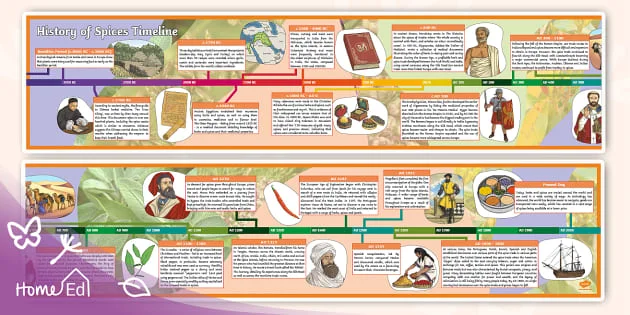
The spice trade was instrumental in the rise of trading empires such as the Portuguese, Dutch, and British. Control over key spice-producing regions and trade routes enabled these powers to accumulate wealth and dominate global commerce. The competition for monopoly over spice sources led to the establishment of colonies, reshaping political boundaries and ushering in an era of European imperialism. The economic benefits extended beyond spices themselves, stimulating growth in shipbuilding, navigation, and finance.
Spices as Catalysts for Global Exploration
The search for new spice routes was a primary motivation behind famous explorations during the Age of Discovery. Explorers like Vasco da Gama sought alternative paths to the spice-rich East to bypass existing middlemen, which led to the discovery of sea routes around Africa and the Americas. These voyages not only expanded geographical knowledge but also initiated exchanges that linked continents in new ways, affecting food, culture, and economics on a truly global scale.
Influence on Global Cuisines
Spices’ Role in Middle Eastern Culinary Traditions
Middle Eastern cuisines have long celebrated the use of spices in crafting complex and aromatic dishes. The spice trade introduced a variety of flavors that became staples, such as cinnamon in stews or black pepper in meat preparations. The blending of spices also reflects the region’s position as a cultural crossroads, where diverse influences combined to create rich culinary traditions that continue to evolve.
Impact on European Cooking and Preservation Techniques
In Europe, the arrival of spices revolutionized cooking by introducing new tastes and aromas. Spices were initially reserved for the wealthy, signaling status and luxury. Beyond flavor, they also played a crucial role in food preservation, especially before refrigeration. Techniques such as spicing meats and pickling were enhanced by these exotic additives, which helped prolong shelf life and combat foodborne illnesses, fundamentally changing dietary habits.
Transformation of Asian and African Food Cultures Through Spice Integration
Asian and African culinary landscapes were deeply transformed by the infusion of spices accessed through trade. Local dishes began incorporating exotic flavors, creating fusion cuisines that reflected historic connections. For instance, Indian cooking’s heavy spice use can be traced back to ancient trade links, while African coastal cuisines showcase a blend of indigenous and foreign spice influences, highlighting the dynamic nature of culinary evolution driven by trade.
Modern Legacy of Historic Spice Routes
Contemporary Trade and Culinary Practices
Today, the legacy of historic spice routes persists in modern global markets and kitchens. Spices once reserved for elites are now widely accessible, integrated into everyday cooking around the world. Contemporary trade continues to connect producers and consumers, although with improved logistics and regulations. The enduring fascination with spices also fuels culinary innovation and cultural appreciation across diverse societies.
Preserving Heritage: Festivals and Museums Dedicated to Spices
Efforts to preserve the history and cultural significance of the spice trade are visible in festivals and museums worldwide. These celebrations and institutions educate people about the ancient routes, the spices themselves, and their impact on human civilization. They serve as important reminders of the rich heritage embedded in the simple act of seasoning food, keeping alive traditions and stories that span centuries.