Introduction to Enzymatic Meat Tenderizing
What Are Enzymes and Their Role in Marinades?
Enzymes are natural proteins that break down complex molecules. In meat tenderizing, specific enzymes break down muscle fibers and connective tissue, softening the texture. When added to marinades, these enzymes work by penetrating the meat and chemically altering its structure, making it easier to chew and digest.
Benefits of Using Enzymes Over Traditional Methods
Using enzymes provides a targeted approach to tenderizing meat compared to mechanical or long soaking methods. Enzymatic marinades often require less time and can enhance flavor along with texture. Unlike prolonged cooking or pounding, enzymes allow for a more controlled tenderness, preserving juiciness and preventing dryness.
Common Enzymes Used for Tenderizing Meat
Bromelain from Pineapple
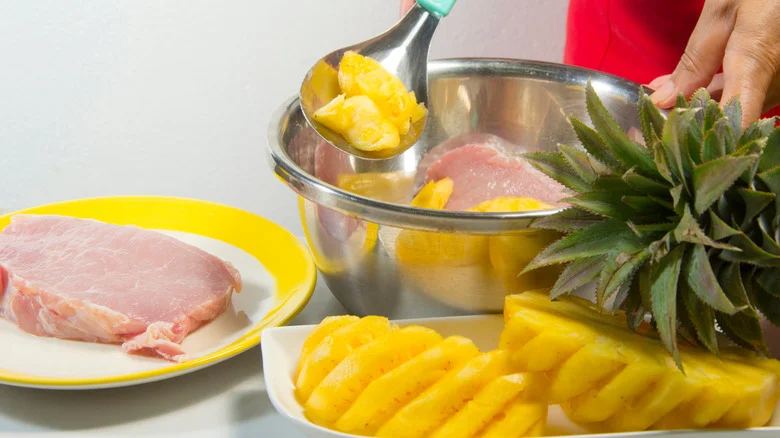
Bromelain is a powerful enzyme extracted from pineapple stems and fruit. It effectively breaks down proteins, making it ideal for tenderizing tougher cuts of meat like beef or pork. However, bromelain works quickly and can lead to mushy textures if left too long.
Papain from Papaya
Papain, derived from papaya latex, is widely utilized for its gentle yet effective proteolytic action. It works best on various meats and is often preferred for its balanced tenderizing ability. Papain offers a subtle flavor that complements marinades without overpowering the meat.
Ficin from Figs
Ficin is an enzyme found in figs that aids in protein breakdown. Although less common, it is valuable for tenderizing delicate meats such as poultry. Its milder action reduces the risk of over-tenderizing, resulting in a pleasant texture.
How Enzymes Affect Meat Texture
Breaking Down Muscle Fibers
Muscle fibers are the primary components responsible for meat toughness. Enzymes selectively break peptide bonds within these fibers, softening the structural framework. This process loosens the meat’s firmness without destroying its integrity when used properly.
Impact on Protein Structure
Beyond muscle fibers, enzymes affect connective tissues like collagen. By partially degrading these proteins, enzymes improve tenderness but also impact water retention and overall juiciness. Maintaining a balance in enzymatic activity is essential to avoid an undesirable slimy feel.
Guidelines for Using Enzymatic Marinades Correctly
Optimal Marinating Times by Meat Type
Marinating times vary depending on the meat’s toughness and enzyme strength. For example, chicken generally requires 30 minutes to 2 hours, while tougher cuts like beef may need 1 to 4 hours. Overexposure can lead to mushy textures, so timing is crucial.
Temperature Considerations
Enzymes are temperature-sensitive. They work best at room temperature or slightly cooler, between 70°F and 100°F (21°C to 38°C). Higher temperatures can denature the enzymes, stopping the tenderizing process prematurely.
Concentration and Application Tips
Using the correct enzyme concentration prevents over-tenderizing. Diluting marinades or limiting enzyme-rich ingredient contact ensures gradual tenderizing. Applying marinades evenly and avoiding excessive soaking help maintain flavor balance and texture.
Common Mistakes and How to Avoid Over-Tenderizing
Signs of Overdone Meat
Over-tenderized meat often becomes mushy, overly soft, or stringy. It can lose its natural chew and develop a pasty or slimy texture. Visually, the meat may appear overly saturated or fall apart too easily during cooking.
Balancing Enzymatic Action with Flavor Preservation
Excessive enzyme use can overpower the natural flavors and aromas of meat. To preserve taste, combine enzymatic tenderizing with mild seasoning and monitor marinating duration. Using enzymes in combination with acid-based marinades can harm texture if not carefully managed.
Recipes Featuring Enzymatic Marinades
Tropical Pineapple Marinade for Chicken
This marinade uses fresh pineapple juice for its bromelain content, combined with garlic, lime, and a touch of honey. The marinade tenderizes chicken while imparting a bright, sweet-tart flavor. Marinate chicken pieces for no longer than 2 hours to avoid over-softening.
Papaya-Infused Marinade for Beef
Blend ripe papaya with soy sauce, ginger, and black pepper to create a papain-rich marinade perfect for tougher beef cuts. Marinate the beef for 1 to 3 hours to achieve tender, flavorful meat without risking mushiness. This marinade also adds a subtle tropical note.
Conclusion: Mastering Enzymatic Tenderizing for Perfect Meat Every Time
Understanding how enzymes work in marinades allows for precise control over meat texture. Selecting the right enzyme, applying proper marinating times, and monitoring temperature are key to avoiding over-tenderizing. When used thoughtfully, enzymatic marinades enhance both tenderness and flavor, delivering perfectly cooked meat consistently.