Introduction to Natural Coloring in Food
Why Avoid Artificial Food Coloring?
Artificial food coloring has long been a popular choice for adding vibrant hues to various dishes and beverages. However, concerns about potential health risks and adverse reactions have prompted many to reconsider their use. Some synthetic dyes have been linked to allergies, behavioral issues in children, and other health complications. Avoiding these artificial additives not only promotes better health but also aligns with the growing preference for clean and transparent ingredient lists.
Benefits of Using Natural Ingredients
Natural ingredients provide color in food without introducing chemicals or synthetic compounds. Beyond their safety profile, they often contribute nutritional benefits such as antioxidants, vitamins, and minerals. Using natural colorants can enhance the sensory experience of eating, offering subtle flavor nuances and aromas that complement the dish. Additionally, natural colors often carry cultural and historical significance, linking modern cooking to traditional practices.
Historical Use of Natural Dyes in Culinary Arts
Long before synthetic dyes existed, cooks worldwide relied on plants, minerals, and other natural sources to brighten their creations. From the vibrant reds of beetroot used by ancient civilizations to the golden saffron prized for both its color and aroma, natural coloring has been integral to culinary heritage. This tradition underscores how color and food are deeply interwoven, serving both aesthetic and cultural purposes.
Common Natural Ingredients for Vibrant Food Colors
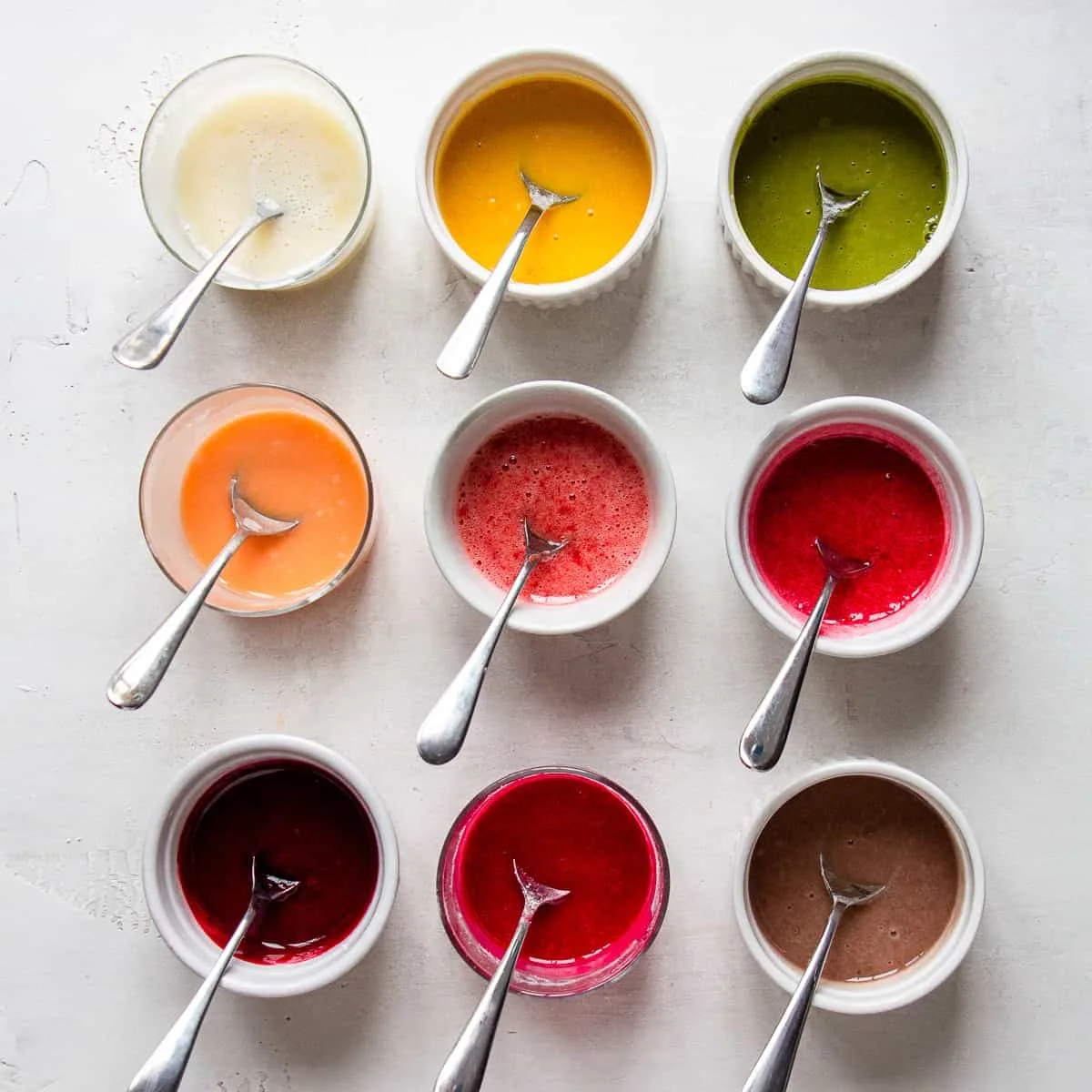
Red and Pink Hues: Beetroot, Hibiscus, and Berries
Beetroot is one of the most accessible sources of a deep red color, offering a rich pigment that remains relatively stable when cooked gently. Hibiscus flowers provide a bright pink to reddish tone and are often used in teas and syrups. Berries like raspberries and strawberries impart not just color but a fruity aroma that enriches desserts and drinks alike. When selecting these ingredients, it’s important to consider their flavor profiles to ensure they complement the dish.
Yellow and Orange Shades: Turmeric, Saffron, and Carrot
Turmeric is renowned for its intense yellow pigment, widely used in curries and baked goods. Saffron, although pricier, delivers a delicate hue along with a unique floral taste. Carrots, especially the orange varieties, yield a warm, inviting shade ideal for both sweet and savory recipes. These ingredients not only add color but can also influence the flavor depth, which must be balanced carefully.
Green Tints: Spinach, Matcha, and Spirulina
Spinach is a versatile green source, commonly used in purees or juices to color pasta and baked goods. Matcha, the finely ground green tea powder, offers a vibrant green hue with slightly bitter undertones, perfect for desserts and beverages. Spirulina, an algae-based powder, provides an intense blue-green color and nutritional boost, though its flavor can be strong and requires thoughtful incorporation into recipes.
Blue and Purple Highlights: Butterfly Pea Flower and Purple Cabbage
Butterfly pea flower is celebrated for its vivid blue color, often used in teas and cocktails. Interestingly, this flower’s pigment changes with pH, turning purple or pink when an acid is added, allowing versatile effects. Purple cabbage, when cooked or steeped, releases a range of colors from deep purple to blue and green, depending on preparation. These ingredients offer exciting possibilities for creative presentation.
Techniques to Maximize Color Extraction
Preparation Methods: Steeping, Blending, and Juicing
Obtaining vibrant colors from natural ingredients depends largely on how they are prepared. Steeping allows pigments to infuse liquids gently, ideal for flowers and dried herbs. Blending raw produce like berries and spinach can release intense colors instantly, but may introduce texture. Juicing is another effective way to extract pure color without fibrous components, suitable for beverages and smooth batters. Choosing the right method based on the ingredient ensures optimal coloration.
Temperature and pH Effects on Color Stability
Color pigments can be sensitive to heat and acidity. For example, anthocyanins found in berries and red cabbage may fade or shift color when exposed to high temperatures or certain pH levels. Maintaining moderate temperatures during cooking preserves vibrancy, while adjusting acidity can enhance or alter hues dramatically. Understanding these chemical reactions helps in anticipating color changes and tailoring preparation accordingly.
Using Fats and Acids to Enhance Visual Appeal
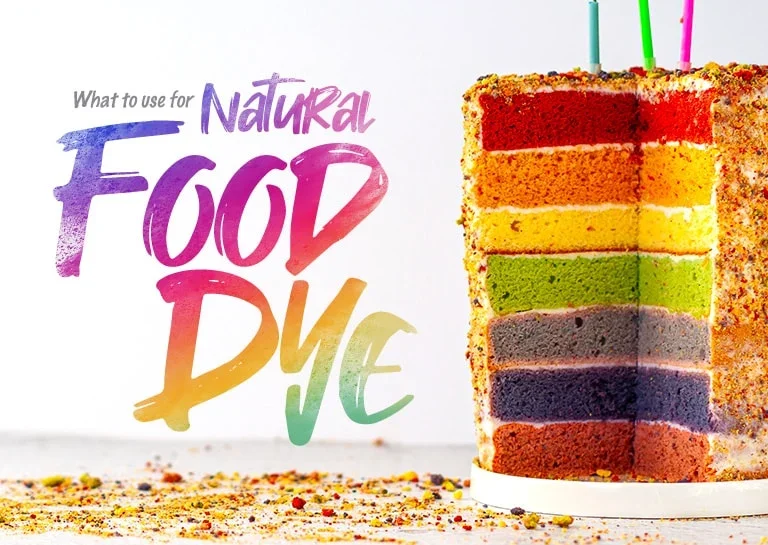
Fats such as oils and creams can intensify colors by providing a rich medium that reflects light differently. Incorporating acids like lemon juice or vinegar not only balances flavors but can also manipulate pigment colors—turning blue hues to purple or red. Combining these elements thoughtfully allows cooks to create visually striking dishes while maintaining flavor harmony.
Applying Natural Colors in Various Food Categories
Baking: Cakes, Pastries, and Bread
In baking, natural colors add charm without overpowering delicate flavors. For instance, beetroot puree can lend a subtle pink tint to cakes, while turmeric dust brightens bread dough with a golden tone. Incorporating powdered spices or finely processed purees ensures smooth texture and even color dispersion. It is crucial to consider how baking temperatures will affect pigment stability to avoid unwanted fading.
Beverages: Smoothies, Teas, and Cocktails
Beverages offer a forgiving platform for vibrant natural colors. Smoothies benefit from blending fresh fruits and greens, supplying both color and nutrition. Herbal teas made with butterfly pea flower or hibiscus provide vivid shades that captivate visually, while cocktails can utilize these colors to add flair. The dynamic nature of liquid preparations allows for creative layering and color mixing.
Dairy: Yogurts, Ice Creams, and Cheeses
Dairy products are excellent canvases for natural colors due to their neutral base. Matcha powder mixes well into yogurt or ice cream, creating appealing green tones with earthy flavors. Beetroot or berry purees can swirl through cheeses or dairy desserts, simultaneously enhancing color and taste. Care must be taken to blend thoroughly to avoid spotting or inconsistent hues.
Condiments and Sauces
Condiments such as ketchup, pesto, and flavored mayonnaises gain charm from natural colorants. Roasted red peppers or tomato reductions provide warm red hues, while herbs like basil and parsley contribute fresh green colors. The balance between visual appeal and flavor is paramount here, as sauces must complement the dishes they accompany without introducing overwhelming tastes.
Challenges and Solutions When Using Natural Food Colors
Color Fading and How to Prevent It
One common challenge with natural colors is their tendency to fade over time or with heat exposure. To mitigate this, it’s advisable to add colorants late in the cooking process or use cold preparations when possible. Storing colorful foods in airtight containers away from light also helps maintain vibrancy. Sometimes, layering colors or combining pigments can create more resilient hues.
Flavor Impacts and Balancing Taste
Natural colorants often bring their own flavors, which can alter the intended taste of a dish. For example, turmeric’s earthiness or beetroot’s sweetness may be more pronounced than desired. Balancing these flavors may require adjusting other ingredients to create harmony. Experimentation and gradual incorporation help find the right balance without sacrificing color intensity.
Allergies and Safety Considerations
Although natural, some ingredients may trigger allergies or sensitivities in certain individuals. It is important to disclose the use of common allergens like saffron or spirulina in recipes. Moreover, sourcing high-quality, uncontaminated ingredients ensures safety. Testing small batches before large-scale use minimizes risk and promotes confidence in natural coloring choices.