Understanding pH and Its Role in Cooking Vegetables
What is pH?
pH measures how acidic or alkaline a substance is, on a scale from 0 to 14. A pH below 7 is acidic, above 7 is alkaline, and 7 is neutral. In cooking, especially with vegetables, pH influences chemical reactions that affect texture and color.
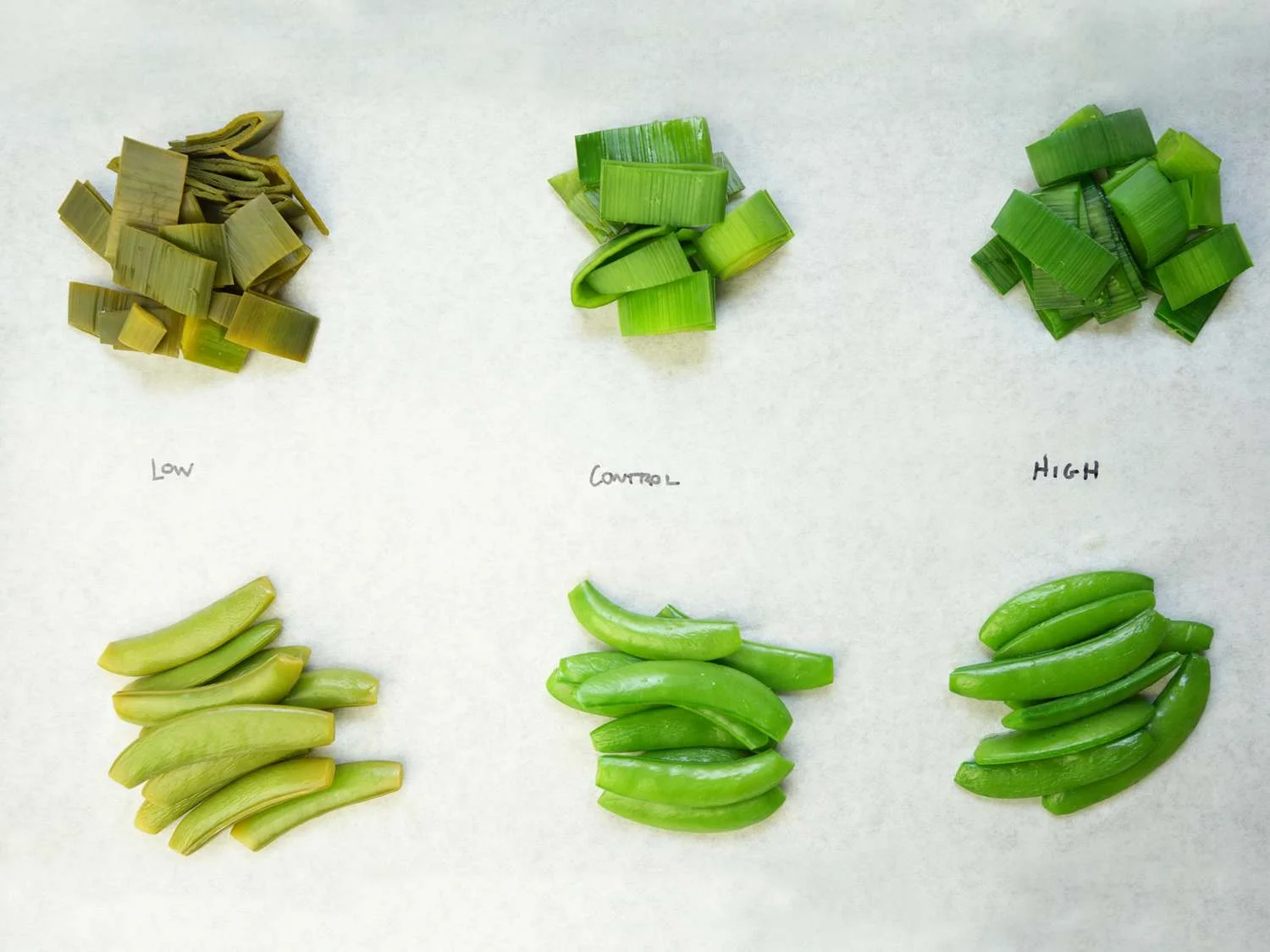
How pH Affects Vegetable Texture and Color
The pH environment during cooking can preserve or break down cell walls in vegetables. Acidic conditions often soften vegetables and dull colors, while alkaline conditions help retain crispness and brighten hues. Understanding this balance is key to vibrant, appealing results.
Identifying pH Levels in Common Vegetables
Acidic vs. Alkaline Vegetables
Different vegetables naturally lean toward either acidic or alkaline pH. Tomatoes, rhubarb, and cranberries are acidic, which can cause them to become soft and less colorful when cooked. Conversely, green vegetables like spinach and broccoli tend to be more alkaline and hold texture better under heat.
Natural pH Indicators in Produce
Some vegetables act as natural pH indicators. Red cabbage, for example, changes color depending on pH: red or pink in acidic environments and greenish in alkaline ones. Recognizing these changes can help gauge the pH during cooking and adjust methods accordingly.
Techniques to Manipulate pH During Cooking
Adding Acids to Preserve Vibrancy
Adding acids like lemon juice or vinegar can help preserve color in certain vegetables, but the timing matters. Acids added too early may soften vegetables excessively. Typically, adding acidic ingredients near the end of cooking maintains brightness without sacrificing texture.
Using Alkalis for Crispness
Alkaline substances such as baking soda can keep vegetables crisp by reinforcing cell structure. However, overuse causes mushiness and unpleasant flavors. Careful, minimal use during blanching or stir-frying enhances crispness without negative effects.
Timing and Cooking Methods Impacted by pH
Quick cooking methods like steaming or stir-frying help retain pH balance and vegetable integrity. Longer boiling can lead to nutrient loss and color fading, especially in acidic vegetables. Adjusting cooking time based on pH helps optimize texture and vibrancy.
Practical Tips for Home Cooks
Quick Tests to Assess Vegetable pH
You can test vegetable pH with litmus paper or natural indicators like red cabbage water. This knowledge guides whether to add acid or alkali during cooking. Simple tests prevent guesswork and improve results.
Recommended pH Adjustments Based on Vegetable Type
Leafy greens and alkaline vegetables benefit from mild acidic additions to maintain color. Acidic vegetables require gentle handling, often avoiding alkalis to prevent softening. Tailoring adjustments ensures each vegetable stays vibrant and crisp.
Case Studies: pH Management in Popular Vegetable Dishes
Brightening Green Beans with Lemon Juice
Adding lemon juice at the end of cooking green beans enhances their bright green color and fresh flavor. The mild acidity counters dullness from heat exposure without compromising firmness.
Maintaining Crispness in Stir-Fried Bell Peppers
A small pinch of baking soda in water can help bell peppers stay crisp while stir-frying. However, it’s crucial to use sparingly to avoid an off taste and mushy texture typical of excessive alkalinity.
Preserving Color in Beets and Red Cabbage
Beets and red cabbage benefit from acidic environments to lock in their intense reds and purples. Using vinegar or lemon juice towards the end of cooking prevents color bleeding and maintains visual appeal.