Introduction to Meat Shrinkage
The Phenomenon Explained
Have you ever noticed that your steak or roast ends up smaller on the plate than it was raw? This is the common experience of meat shrinkage during cooking. At its core, this phenomenon occurs because meat loses both water and fat as it heats up. The once plump and juicy cut tightens and reduces in size, sometimes by almost a third. Understanding why this happens helps not only in managing expectations but also in mastering cooking techniques that preserve tenderness and flavor.
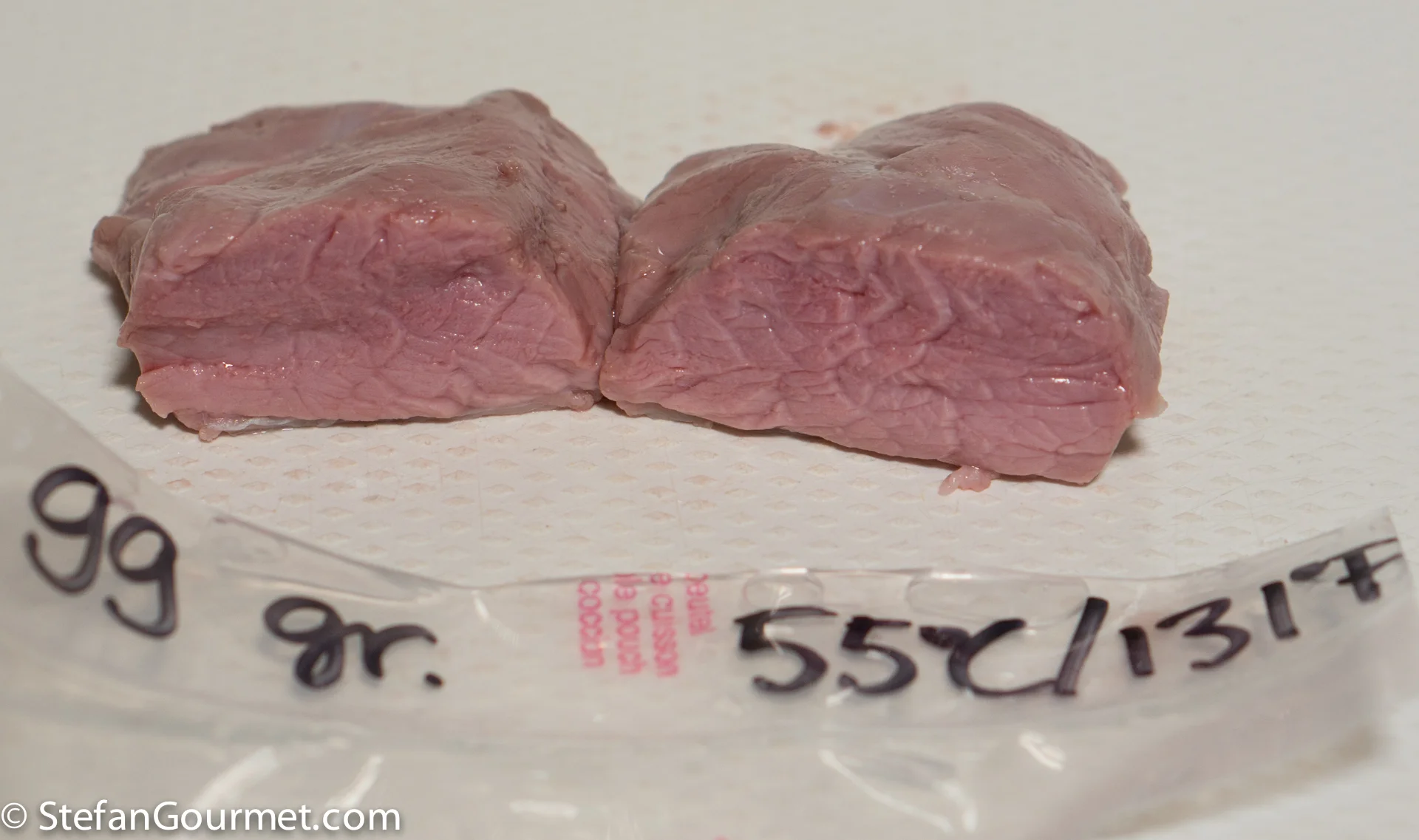
Common Types of Meat Affected
Shrinkage is not limited to one kind of meat. Beef, pork, chicken, and turkey all undergo this transformation. However, the extent can vary significantly depending on the specific cut and its fat content. Lean cuts like chicken breast can shrink noticeably because they contain less fat and high water levels. In contrast, fattier cuts of beef, such as ribeye, may lose a substantial amount of fat but retain more moisture, affecting the final size differently.
The Science of Meat Composition
Protein Structure in Meat
To grasp why meat shrinks, it helps to understand what makes up meat at a molecular level. Muscle tissue is primarily made of proteins, especially myosin and actin. These proteins are arranged in muscle fibers that give meat its structure. When raw, these proteins hold water tightly within their folds. However, these structures are sensitive to heat, which can cause them to unravel or denature.
The Role of Water in Muscle Tissue
Water plays a huge role in the size and juiciness of meat. Raw meat is roughly 60-75% water, held within the fibers and interstitial spaces. This water isn’t just free-floating; it interacts with proteins and other molecules, maintaining the meat’s firmness and volume. When cooking heat is applied, this water begins to escape as steam or drippings, leading to a visible shrinkage in the meat’s overall size.
How Cooking Methods Influence Shrinkage
Dry Heat vs. Moist Heat Effects
The method you choose for cooking meat dramatically affects how much it shrinks. Dry heat methods like grilling, roasting, or pan-frying often cause greater shrinkage because they draw out moisture quickly and can render fat. Moist heat methods, such as braising or slow cooking in liquid, tend to moderate shrinkage by keeping the environment humid. This helps retain moisture in the meat, resulting in less dramatic size loss.
Temperature and Time Factors
Both the temperature and cooking duration influence how much meat shrinks. High temperatures cause proteins to contract rapidly, forcing moisture out swiftly and making meat tough if not monitored closely. Cooking meat low and slow allows proteins to denature gently and fat to render gradually, preserving tenderness and slowing shrinkage. Balancing these factors ensures that meat remains juicy and flavorful without excessive size loss.
Protein Denaturation: The Core Process
What Happens to Proteins When Heated?
When proteins in meat are exposed to heat, they change shape in a process called denaturation. This means the tight coils and folds of protein strands unwind and then bond differently, becoming firmer. This transformation is essential for cooking meat properly but also triggers moisture loss as the contracting proteins squeeze out water. The muscle fibers tighten up, causing the meat to become smaller and denser.
Effects on Meat Texture and Size
Protein denaturation doesn’t just shrink meat—it significantly impacts texture. Initially soft and tender, raw meat becomes firmer and more compact. Overcooking exaggerates this effect, leading to dry, chewy meat. Understanding this biological shift helps cooks pause at the right moment to maximize tenderness while minimizing excessive shrinkage.
Water Loss During Cooking
Mechanisms of Moisture Evaporation
As heat penetrates the meat, water locked in the muscle fibers starts turning into steam. This steam escapes through the surface or drips away, carrying away both water and soluble flavor compounds. Shrinkage is a direct result of this moisture loss, which visibly reduces the volume of the meat. The longer the cooking time, and the higher the temperature, the more water evaporates.
Impact on Weight and Juiciness
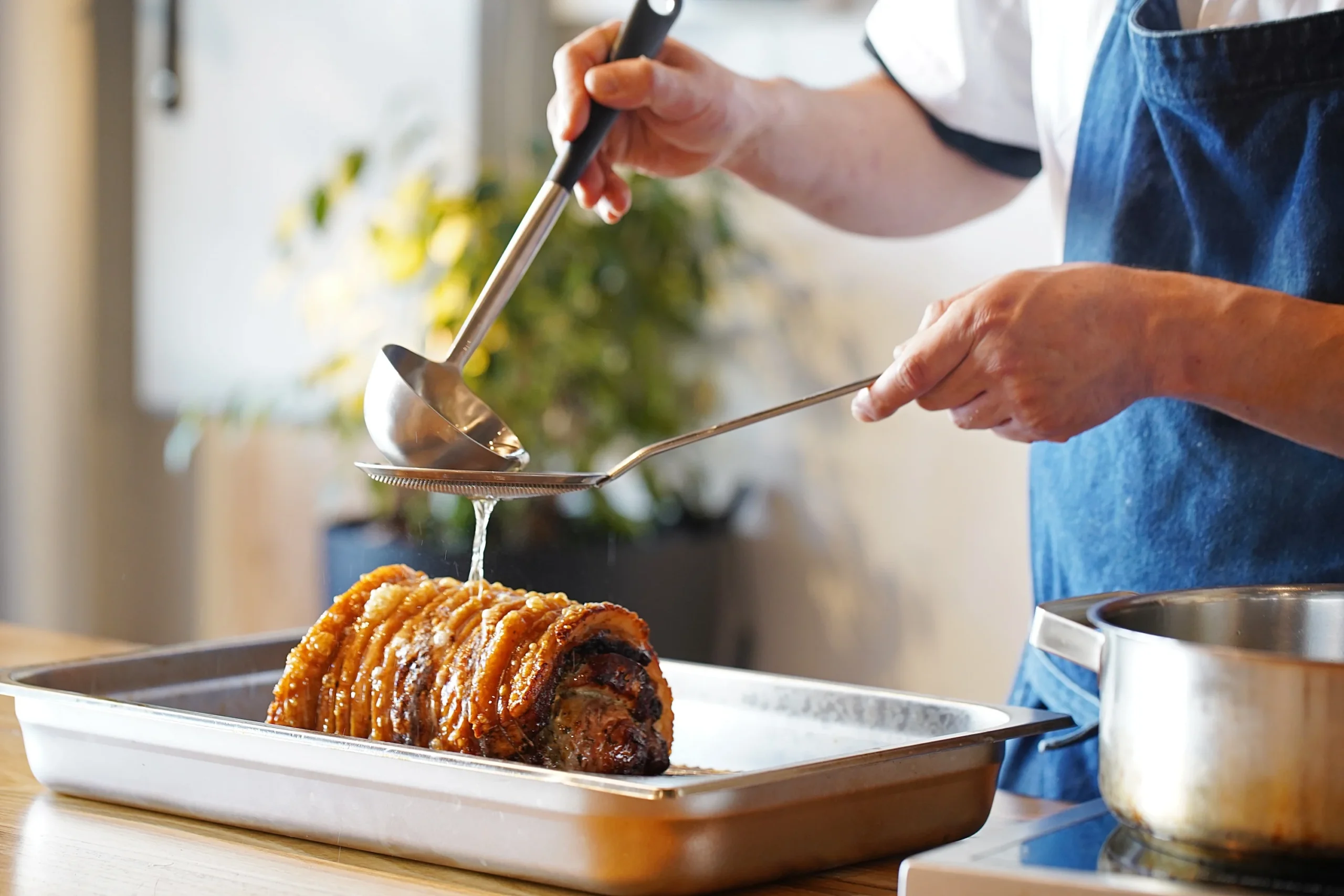
The water loss during cooking is responsible for measurable weight reduction in meat—often up to 30-40%. This not only affects portion size but also juiciness. The less water retained, the drier and less satisfying the meat may taste. Managing cooking techniques to slow water loss can preserve the meat’s natural juices and improve the eating experience.
Minimizing Shrinkage: Tips and Techniques
Best Practices for Cooking Meat
To keep shrinkage under control, it’s smart to focus on temperature management. Avoid extremely high heat and opt for moderate temperatures that cook meat evenly. Resting meat after cooking is also crucial; this allows moisture to redistribute rather than all escaping once cut. Another useful tip is to marinate meat before cooking, as ingredients like salt and acids can help retain moisture by altering muscle proteins.
Choosing Cuts and Preparation Methods
When possible, select cuts with a good balance of fat and moisture, as this reduces shrinkage and ensures better flavor. Slow cooking tougher cuts transforms fibers without extreme moisture loss, while quick searing is better suited for thinner, tender cuts. Also, trimming excess fat before cooking can prevent excessive dripping and flare-ups on the grill, which can overcook and shrink meat quickly.
Conclusion: Balancing Flavor and Size in Cooked Meat
Shrinkage during cooking is a natural and unavoidable part of working with meat. It results from the complex interplay between protein denaturation and water loss. While it may shrink your portions, understanding this process empowers you to make smarter choices about cuts, cooking methods, and temperatures. Ultimately, the goal is to achieve juicy, flavorful meat that pleases the palate without disappointing on the plate. With careful preparation and cooking, you can minimize shrinkage while maximizing taste.