Understanding Rust Formation on Cast Iron Skillets
The Science Behind Rusting
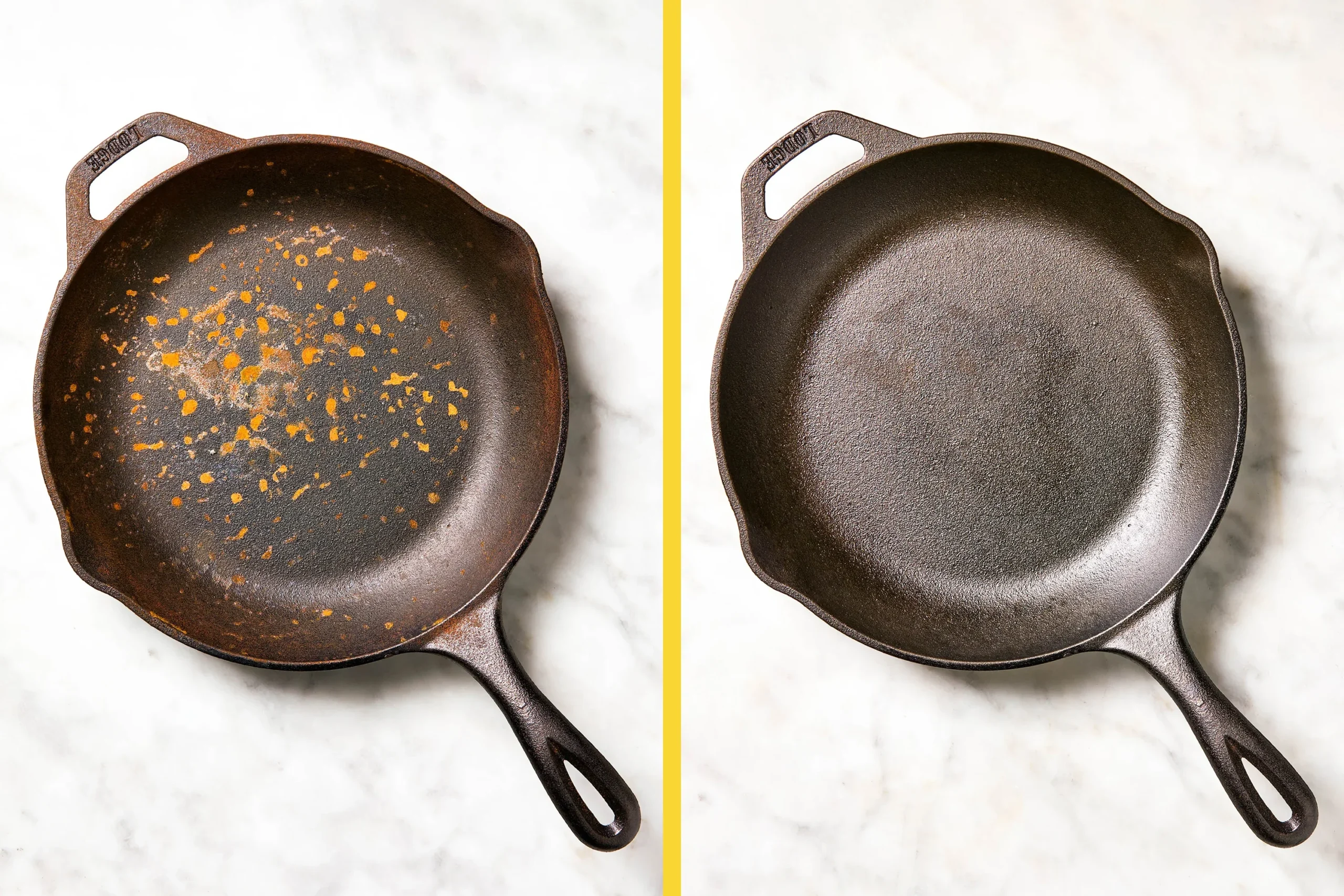
Rust is the result of iron reacting with moisture and oxygen, creating iron oxide—a flaky, reddish layer that degrades the metal. Cast iron skillets are especially vulnerable because their porous surface can trap water, accelerating this process. When a skillet is exposed to water and air without sufficient protection, rust quickly forms, compromising its cooking quality and longevity.
Common Causes in Kitchen Environments
In kitchen settings, rust often appears due to frequent exposure to water, acidic foods, or improper storage. Even small amounts of moisture left on the skillet after washing can trigger rust formation. Additionally, cooking acidic ingredients like tomatoes can break down the skillet’s seasoning layer, leaving the cast iron exposed to environmental elements.
Everyday Mistakes That Lead to Cast Iron Rust
Improper Cleaning Techniques
Many people wash their cast iron with soap or soak it in water for extended periods, which strips the protective seasoning. Using abrasive scrubbers can also damage the surface. These cleaning mistakes remove the essential oil layer that prevents rust and makes the skillet non-stick, thus exposing the bare iron underneath.
Incorrect Drying and Storage Practices
Leaving the skillet to air dry or storing it while still damp invites rust to develop. Skillets stored in humid areas or stacked with lids on without ventilation are particularly prone to moisture buildup. Without proper drying and airflow, rust can appear overnight and spread rapidly.
Natural Ways to Prevent Rust on Your Cast Iron Skillet
Seasoning with Natural Oils
Seasoning involves coating the skillet with a thin layer of oil and heating it to create a durable barrier. Using natural oils like flaxseed, grapeseed, or vegetable oil is effective because these oils polymerize when heated, forming a protective, non-toxic layer. Regular seasoning maintains the skillet’s resilience against moisture and rust.
Using Household Items to Keep Skillets Dry
After washing, drying your skillet promptly with a clean cloth is vital. Placing it on a warm stove for a few minutes helps evaporate any remaining moisture. Some cooks use rice or salt to scrub off moisture and residue gently, while others store their skillet with a paper towel inside to absorb humidity naturally.
Step-by-Step Guide to Restore a Rusty Skillet Safely
Removing Rust Without Chemicals
When rust appears, it can be removed using simple household tools. Scrubbing with coarse salt and a little water acts as a natural abrasive to remove rust without damaging the metal. For stubborn spots, fine steel wool or a wire brush can be used carefully. It’s important to rinse and dry thoroughly after cleaning to prevent further rust.
Re-Seasoning for Long-Term Protection
Once rust is removed, the skillet needs re-seasoning to restore its protective layer. Apply a thin coat of natural oil over the entire surface and bake it upside down in the oven at 375°F (190°C) for about an hour. Repeat this process 2-3 times to build a strong seasoning that shields the skillet from moisture and rust.
Maintaining Your Cast Iron Skillet for a Lifetime
Routine Care Tips
Regular maintenance includes quick cleaning with hot water and a soft brush immediately after cooking. Drying the skillet thoroughly and applying a light coat of oil before storage will ensure it remains rust-free. Avoid prolonged exposure to water and always reapply seasoning periodically to keep the skillet’s surface resilient.
What to Avoid When Caring for Cast Iron
Avoid putting your skillet in the dishwasher or soaking it in water. Using harsh detergents or metal scrubbing pads frequently can wear down the seasoning layer. Also, steer clear of cooking highly acidic foods in a newly seasoned skillet as they can degrade the protective coating prematurely.