Introduction to Dough Resting
Understanding the Basics of Dough Preparation
Making bread from scratch may seem straightforward, but it involves a delicate balance of ingredients, timing, and technique. At the core lies dough preparation, where flour, water, yeast, salt, and sometimes other components combine to form a cohesive mixture. This dough undergoes several transformative stages before becoming the final loaf, each critical to achieving the perfect texture and flavor.

One step that often deserves more attention is resting the dough. While kneading builds structure, resting allows it to recover and develop in ways that enhance the bread’s overall quality. Understanding this process unlocks the potential for improved results in home baking.
The Role of Resting in Bread Making
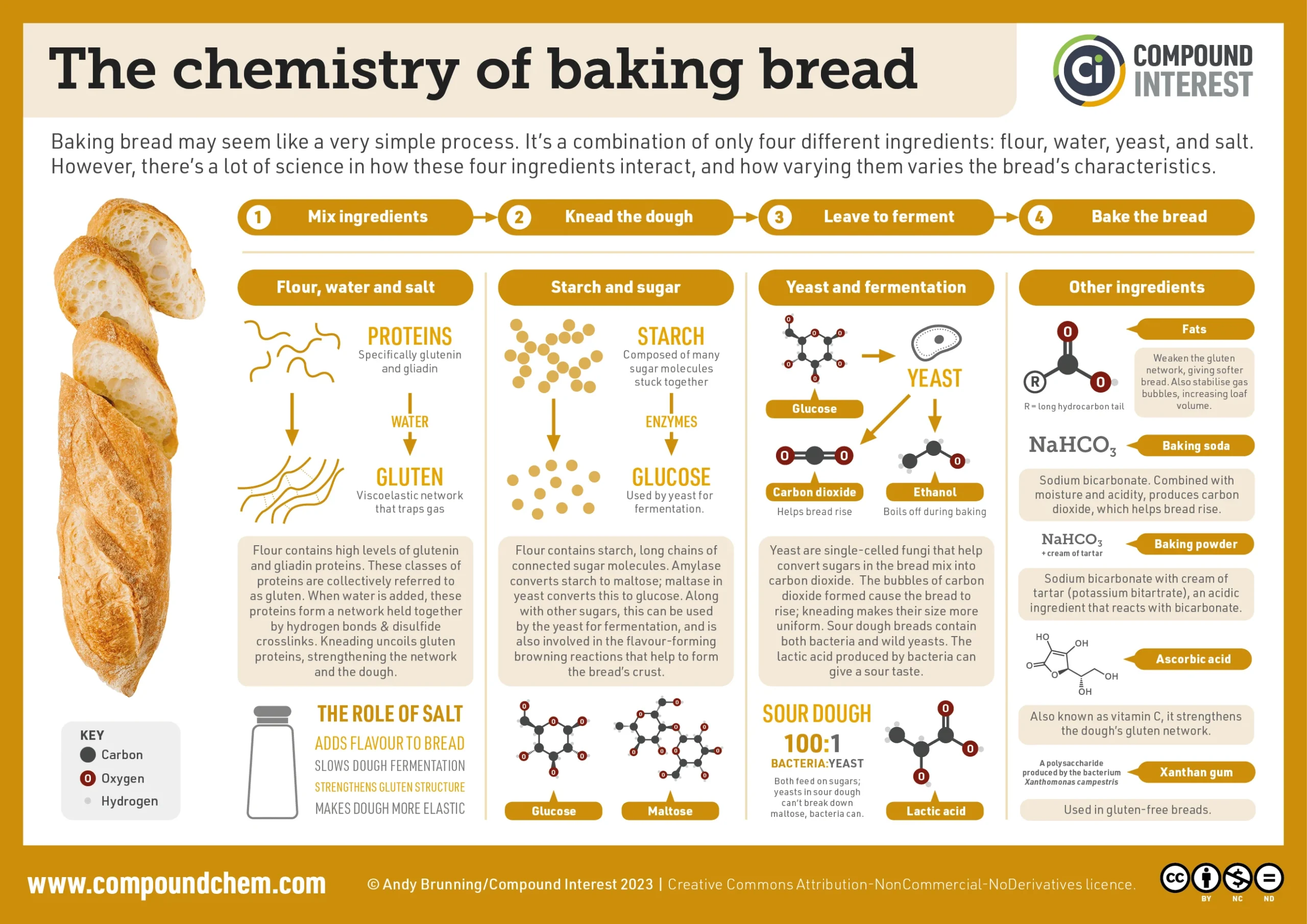
Resting dough, sometimes called bulk fermentation or autolyse, is a pause after mixing or kneading that lets the dough sit undisturbed. This break is not merely downtime—it’s an essential phase where chemical and biological processes reshape the dough’s properties. Resting gives yeast time to ferment sugars, gluten strands to strengthen and relax, and enzymes to activate, all contributing to the final texture and flavor.
Neglecting to rest dough can result in dense, tough bread with uneven crumb and lackluster flavor, making it a crucial step in bread making.
The Science Behind Dough Resting
Gluten Development and Relaxation
The primary protein network in bread dough, gluten, forms when flour and water combine and are worked through kneading. However, constant working without breaks can cause gluten strands to become overly tight and rigid, leading to a crumbly or overly chewy texture. Resting allows these gluten strands to relax, making the dough more extensible and easier to shape.
This relaxation is important because it prevents tearing when shaping and baking, enabling the dough to expand properly and trap gases, contributing to a light, airy loaf.
Fermentation: Yeast Activity and Gas Production
During resting, yeast consumes sugars in the dough and produces carbon dioxide gas and alcohol in a process called fermentation. This gas inflates the dough, creating air pockets that give bread its characteristic crumb. Without sufficient resting time, yeast activity remains limited, resulting in a denser, less flavorful loaf.
Fermentation also yields organic acids and alcohol compounds that enrich the bread’s taste and aroma, demonstrating why longer fermentation often improves flavor complexity.
Hydration and Enzyme Activity During Rest
Resting also impacts hydration. As water is absorbed more fully by flour, the dough becomes smoother and less sticky. Additionally, natural enzymes in flour, such as amylase, break down starches into simpler sugars, fueling yeast fermentation and enhancing sweetness.
If dough is not rested adequately, uneven hydration and enzyme activity may lead to inconsistent texture and flavor development, emphasizing the need for patience during this phase.
Impact of Resting on Bread Texture
How Resting Enhances Crumb Structure
A well-rested dough develops a fine, open crumb structure, characterized by uniform air bubbles that provide lightness and chewiness in each bite. This happens because relaxed gluten allows bubbles formed by fermentation gases to sustain and expand rather than burst prematurely.
Insufficient resting causes tight, dense crumb with fewer air pockets, making the bread heavy and less enjoyable.
The Effect on Crust Formation
Resting also contributes indirectly to crust quality. A dough with balanced gas retention and proper hydration bakes evenly, resulting in a desirable crust that is crisp on the outside but tender underneath. Rested dough often leads to better oven spring, the rapid expansion during baking that enhances crust texture.
Failing to rest dough appropriately can produce a thick, hard crust that contrasts sharply with a dense crumb.
Flavor Development Linked to Resting
The fermentation period during resting is critical for flavor. Organic acids, alcohols, and other compounds produced deepen the taste beyond simple yeastiness, creating notes of nuttiness, tang, or subtle sweetness depending on resting duration and conditions.
Skipping or shortening the rest phase sacrifices this complex flavor profile, leaving bread bland and uninspired.
Practical Tips for Effective Dough Resting
Optimal Resting Times for Different Breads
Resting requirements vary with bread types. For basic white bread, a bulk fermentation of one to two hours at room temperature is standard. Artisan loaves or sourdoughs often benefit from longer, slower fermentation times, sometimes overnight in the refrigerator.
Over-resting can cause overproofing, where the dough becomes overly gassy and collapses, so timing should be tailored based on recipe and environmental conditions.
Resting Environment: Temperature and Humidity
The dough’s surroundings significantly influence resting. Warm temperatures speed fermentation but risk overproofing, while cooler environments slow it, allowing more flavor to develop. Humidity prevents the dough surface from drying out and forming a crust prematurely, which hinders expansion.
Maintaining moderate warmth and covering dough with a damp cloth or plastic wrap helps create an ideal resting environment.
Common Mistakes to Avoid During Dough Rest
A frequent error is skipping resting entirely, rushing to shape and bake without giving the dough time to mature. Another is allowing the dough to dry out by neglecting to cover it, which leads to a tough skin. Overproofing due to too long a rest or excessively warm conditions results in collapsed or flat bread.
Monitoring dough carefully and understanding its feel and appearance rather than relying solely on clocks can help avoid these pitfalls.
Beyond Resting: Additional Techniques for Superior Bread Texture
Stretch and Fold Method
Besides resting, gently folding the dough during fermentation can further develop gluten without intensive kneading. This technique strengthens the dough structure and redistributes gas bubbles, improving the crumb and making handling easier.
Incorporating stretch and folds during rest intervals offers a hands-on method to enhance dough texture naturally.
Cold Fermentation and Its Benefits
Cold fermentation involves resting dough in the refrigerator for extended periods, often 12 to 48 hours. The cooler temperature slows yeast activity but prolongs enzyme function, producing richer flavor and more complex crumb.
This method also provides more flexibility in baking schedules, allowing dough to be prepared in advance.
Conclusion: Mastering Dough Rest for Perfect Bread
Resting dough is more than a passive wait—it’s an active phase where the chemistry of bread transforms, directly impacting texture, flavor, and crust quality. Understanding the science behind resting reveals why skipping or rushing this stage compromises the loaf.
By allowing gluten to relax, yeast to ferment fully, and hydration to balance, resting maximizes bread’s potential. Combining this with optimal conditions and complementary techniques like stretch and fold or cold fermentation opens the door to consistently superior baking results. Mastery of dough resting is therefore essential for anyone seeking perfect bread texture.